Iya Valley
祖谷渓Tokushima
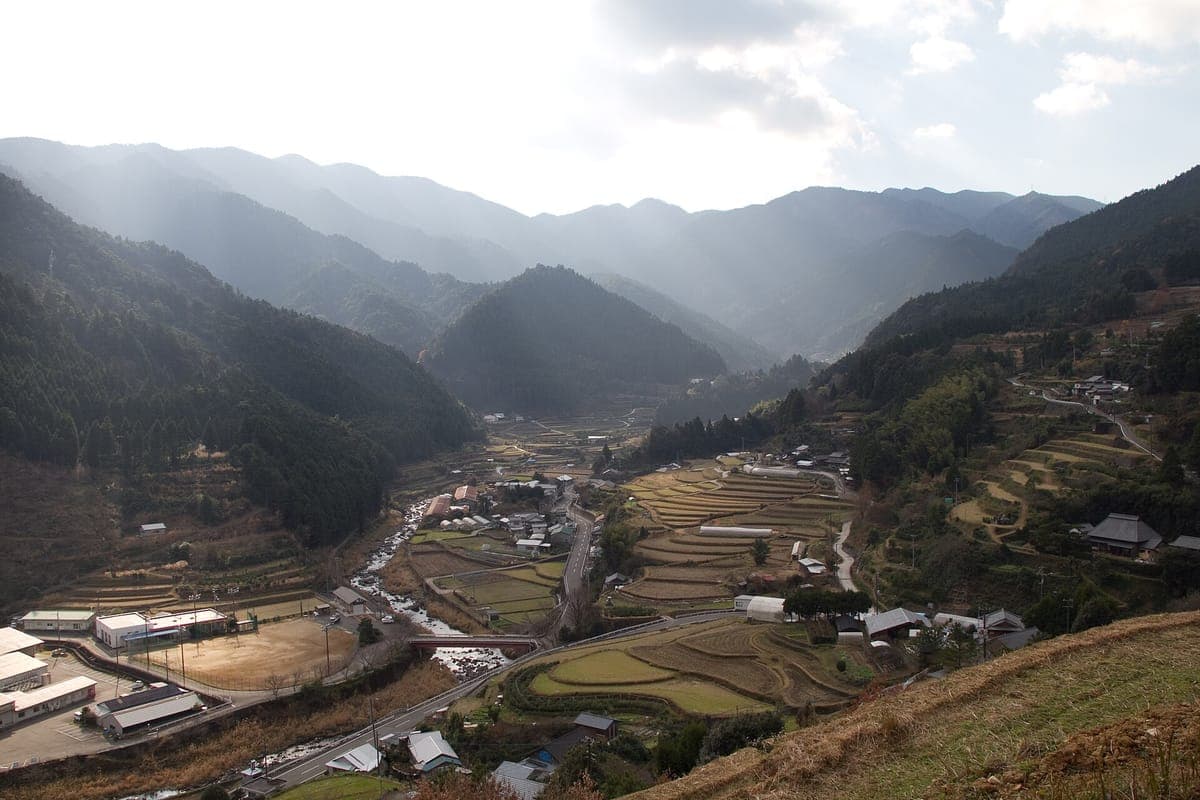
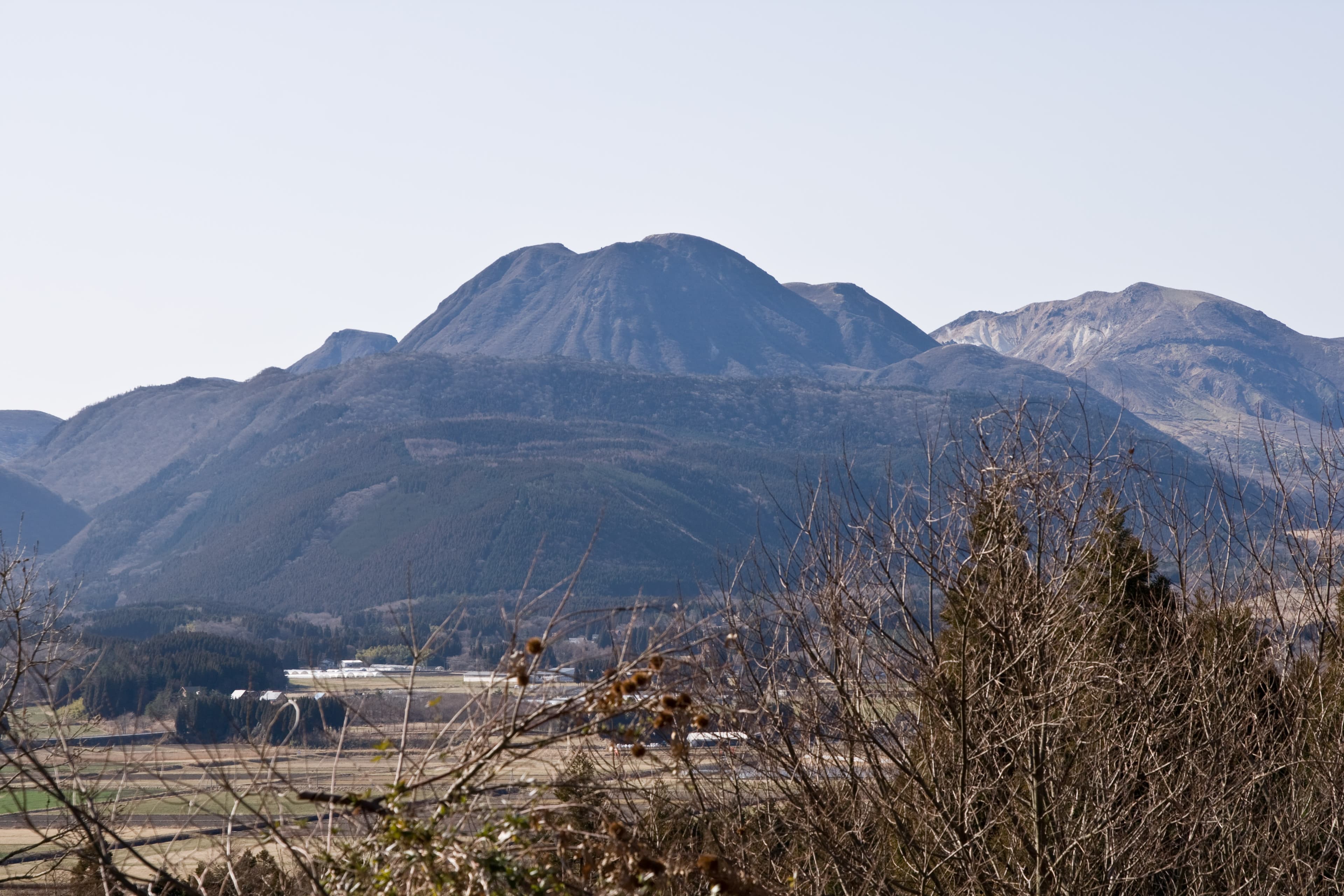
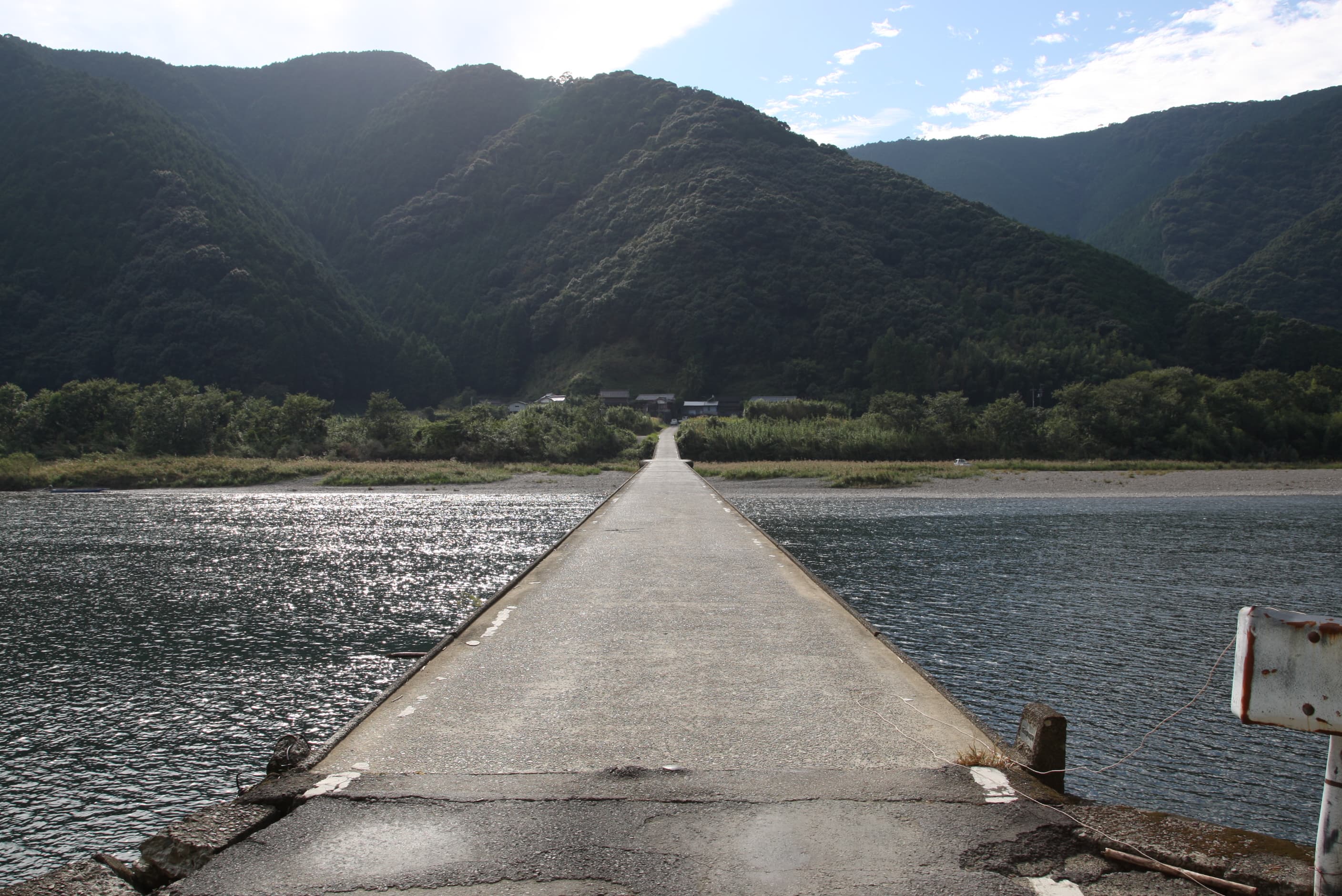
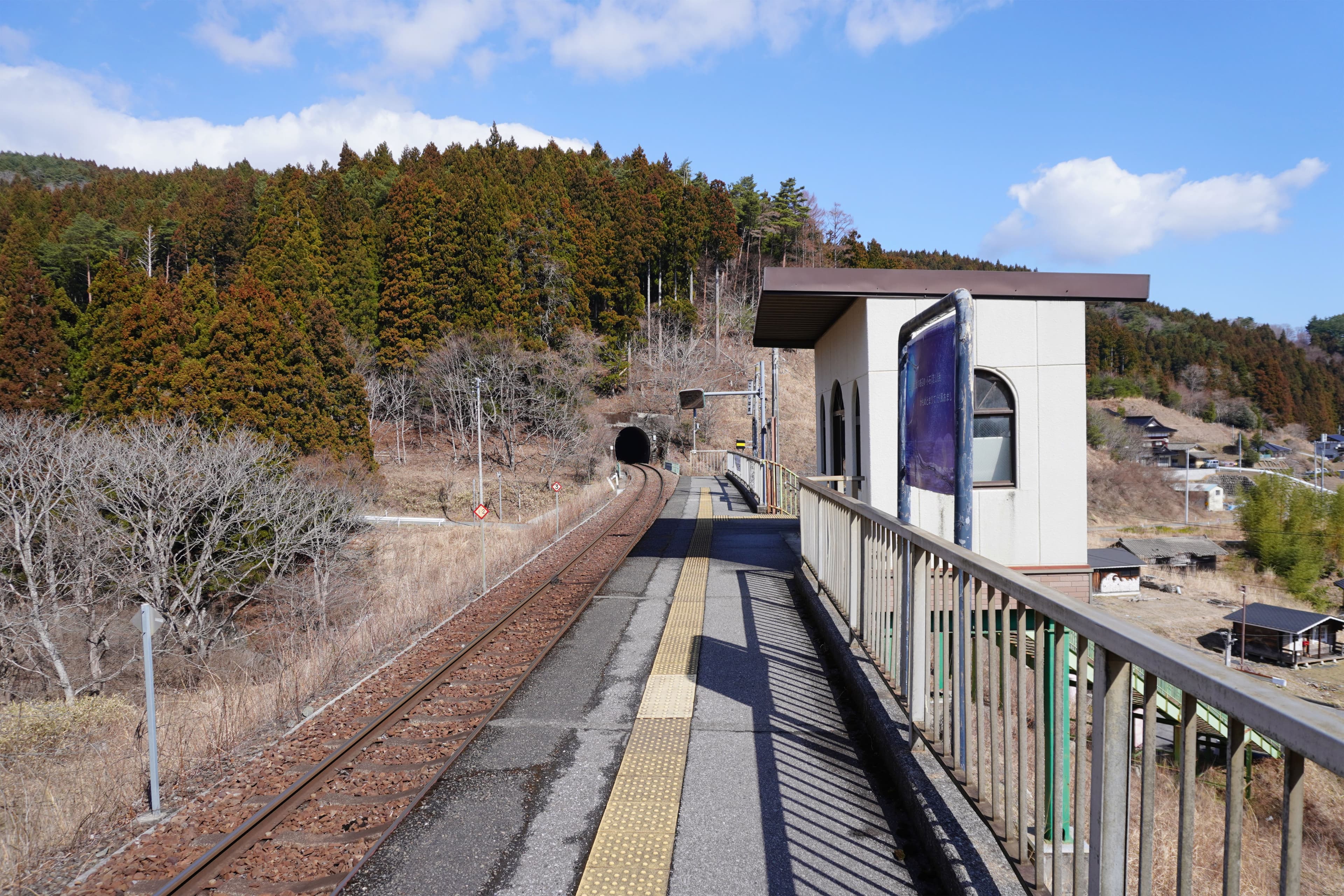
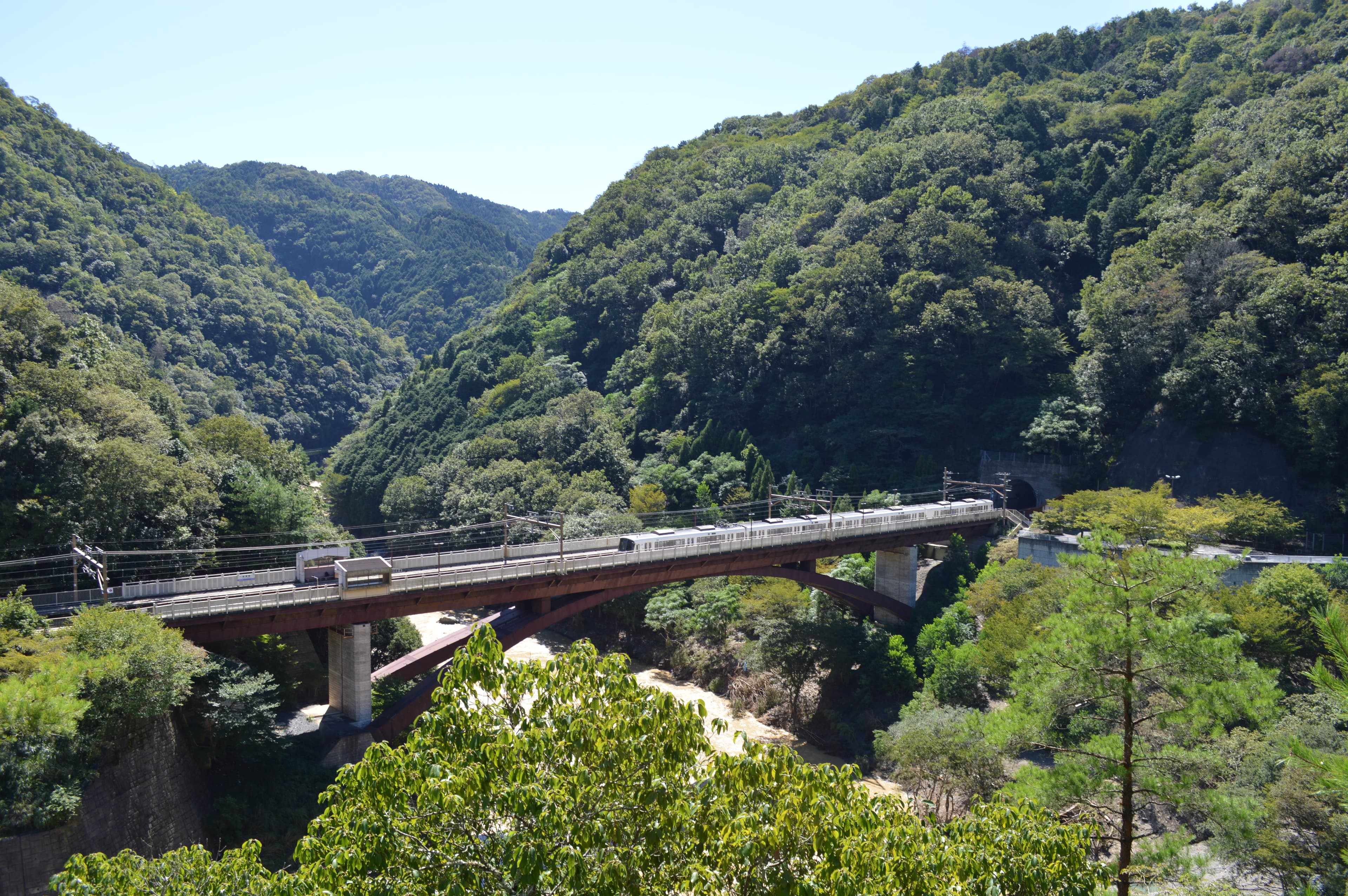
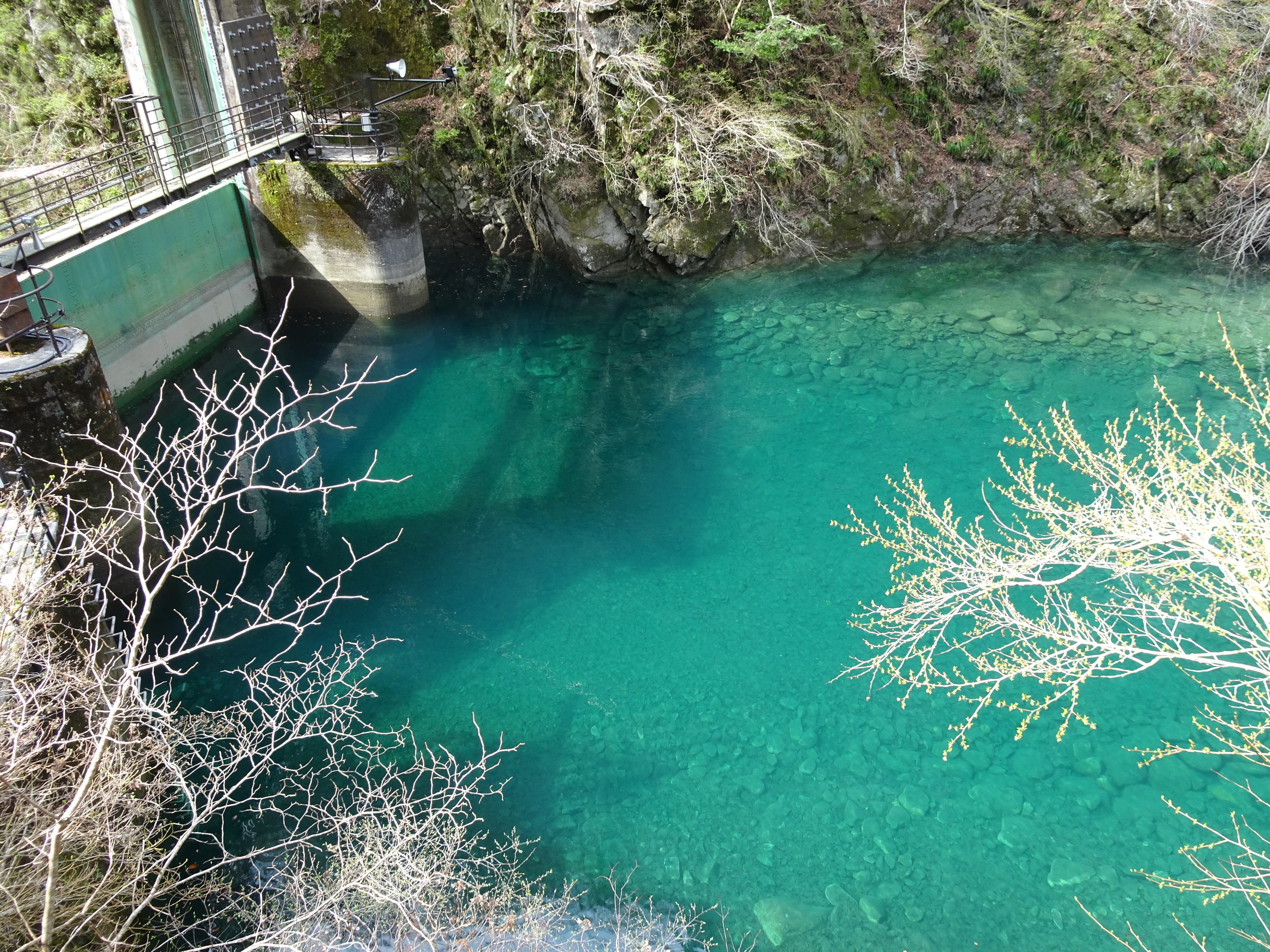
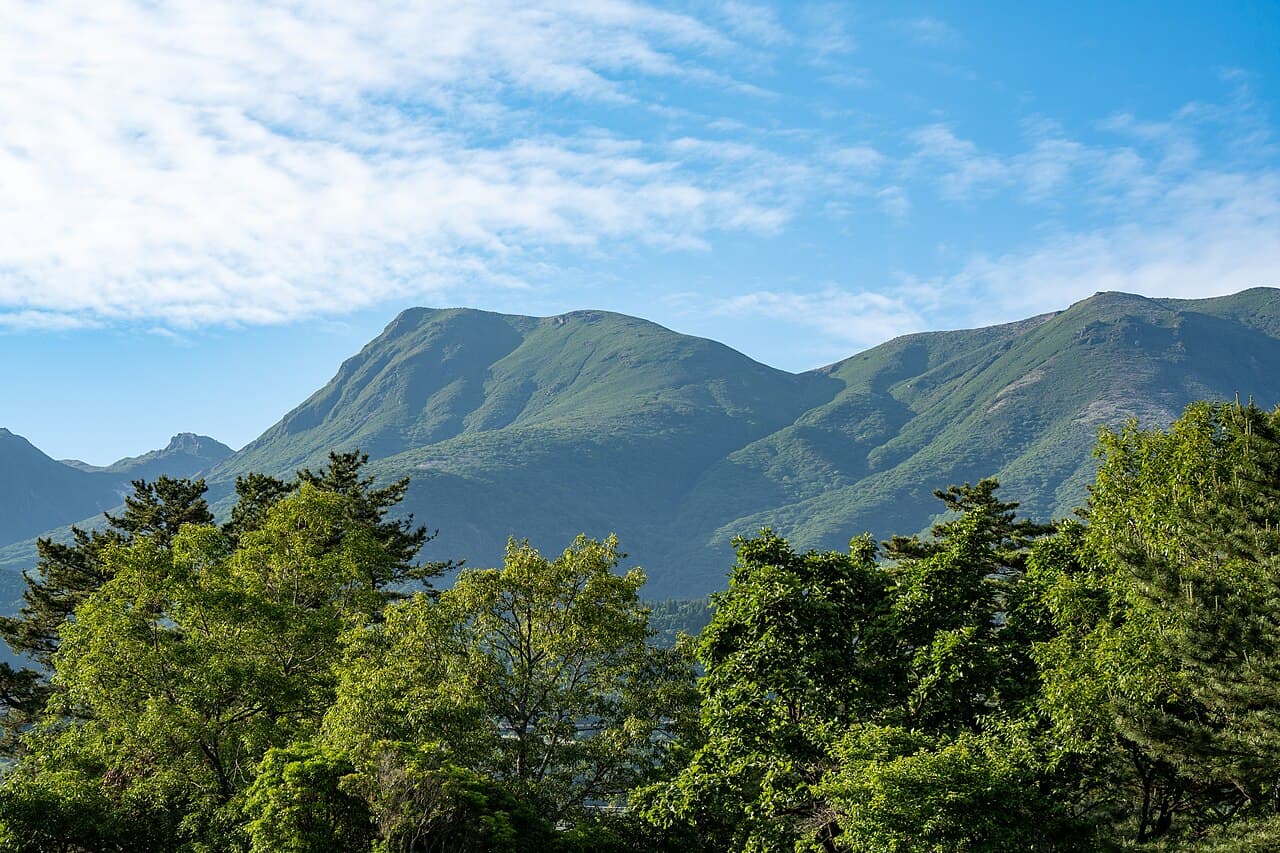
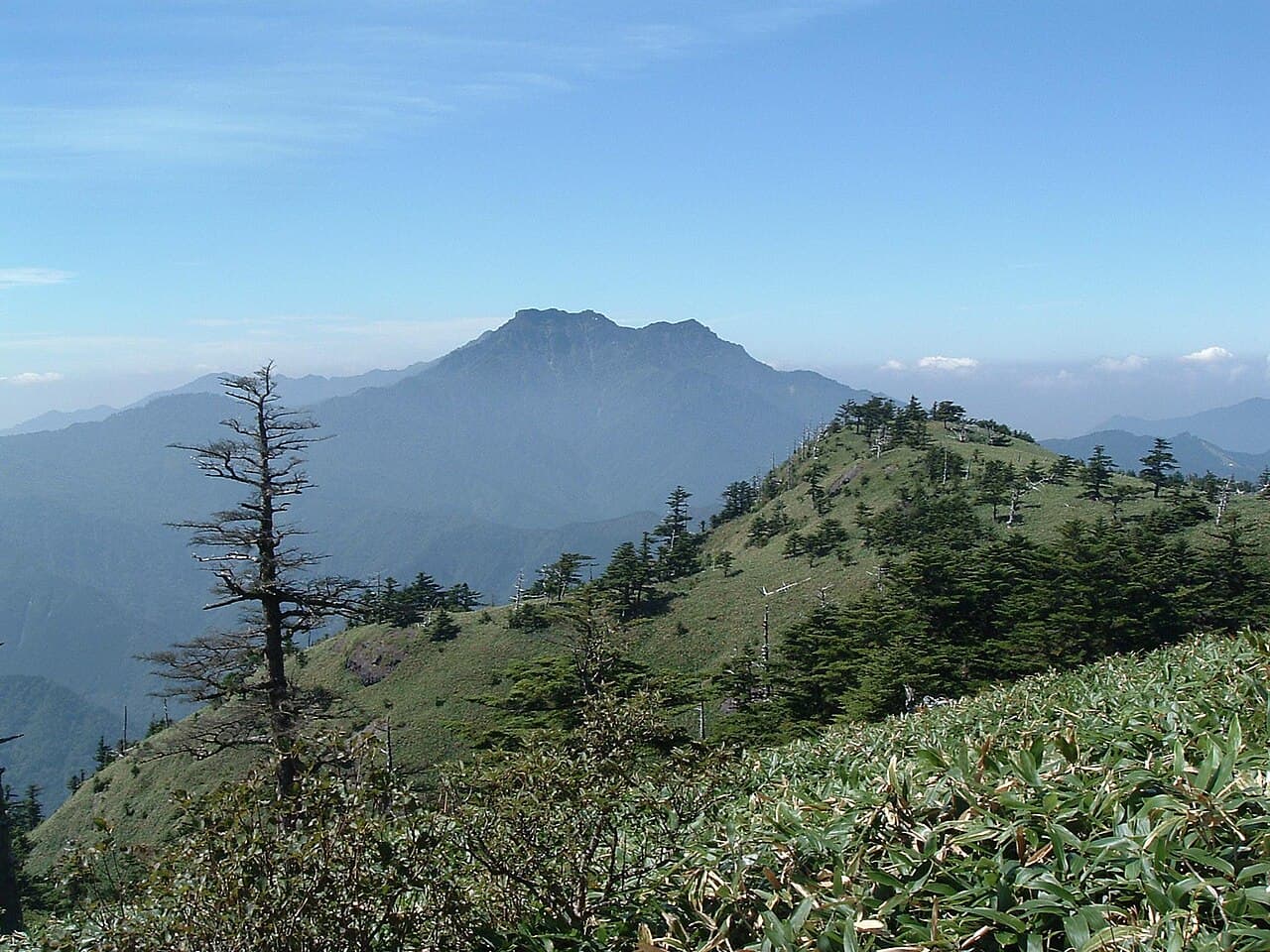
A deep, mist-bound gorge in Shikoku's mountainous interior, where vine bridges sway over jade water and feudal-era refugees once hid from pursuers. Most foreign visitors stop in Tokushima city and never reach the highlands.
Browse
1002 destinations across Japan.
Showing 1002 places
Tokushima
A deep, mist-bound gorge in Shikoku's mountainous interior, where vine bridges sway over jade water and feudal-era refugees once hid from pursuers. Most foreign visitors stop in Tokushima city and never reach the highlands.
Kagoshima
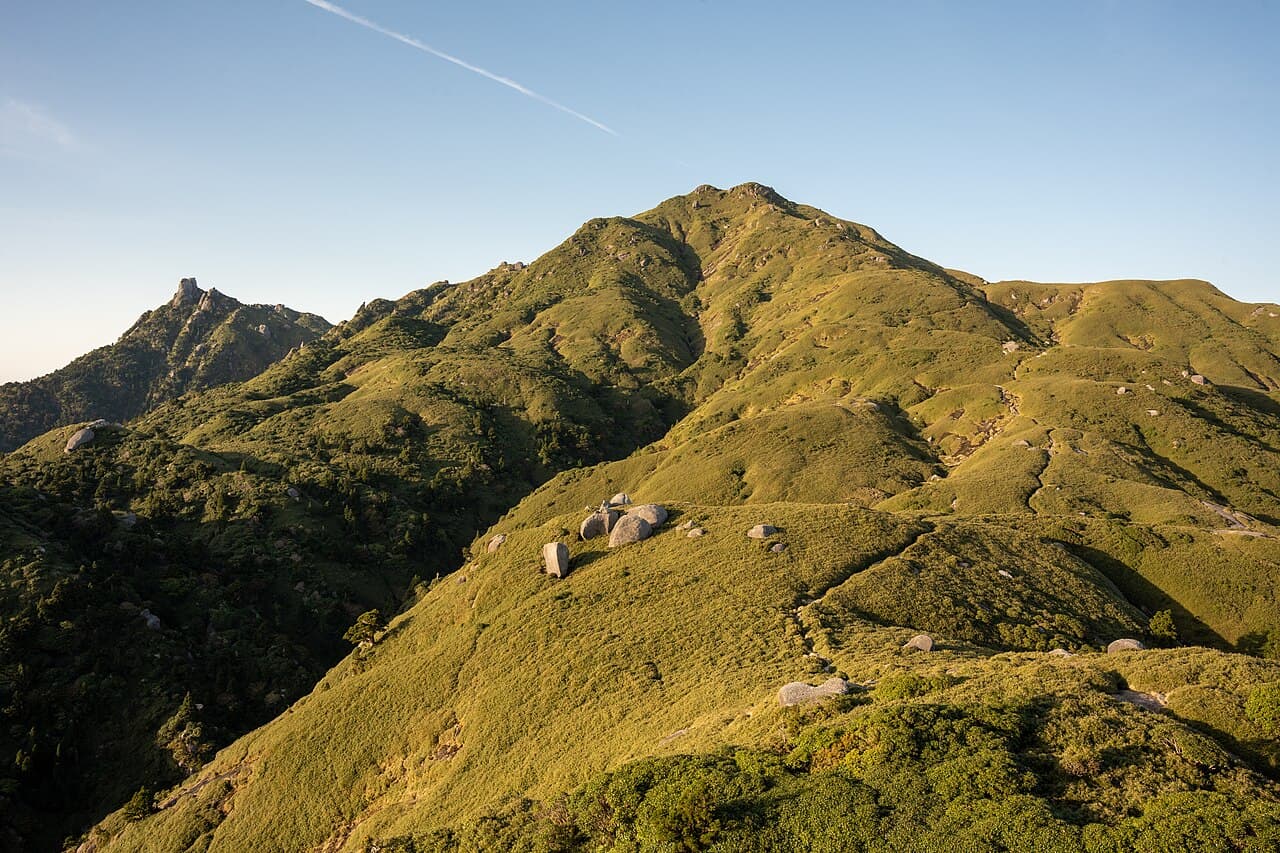
A subtropical UNESCO island of ancient cedar forests, some trees over 2,000 years old. Studio Ghibli's Princess Mononoke drew its mossy, primeval atmosphere from these slopes.
Gifu
A UNESCO village of steep-thatched gassho-zukuri farmhouses tucked in a snowbound Hida valley. Winter illuminations turn it into a postcard, but the real value is the dawn light before tour buses arrive.
KyushuNagasaki
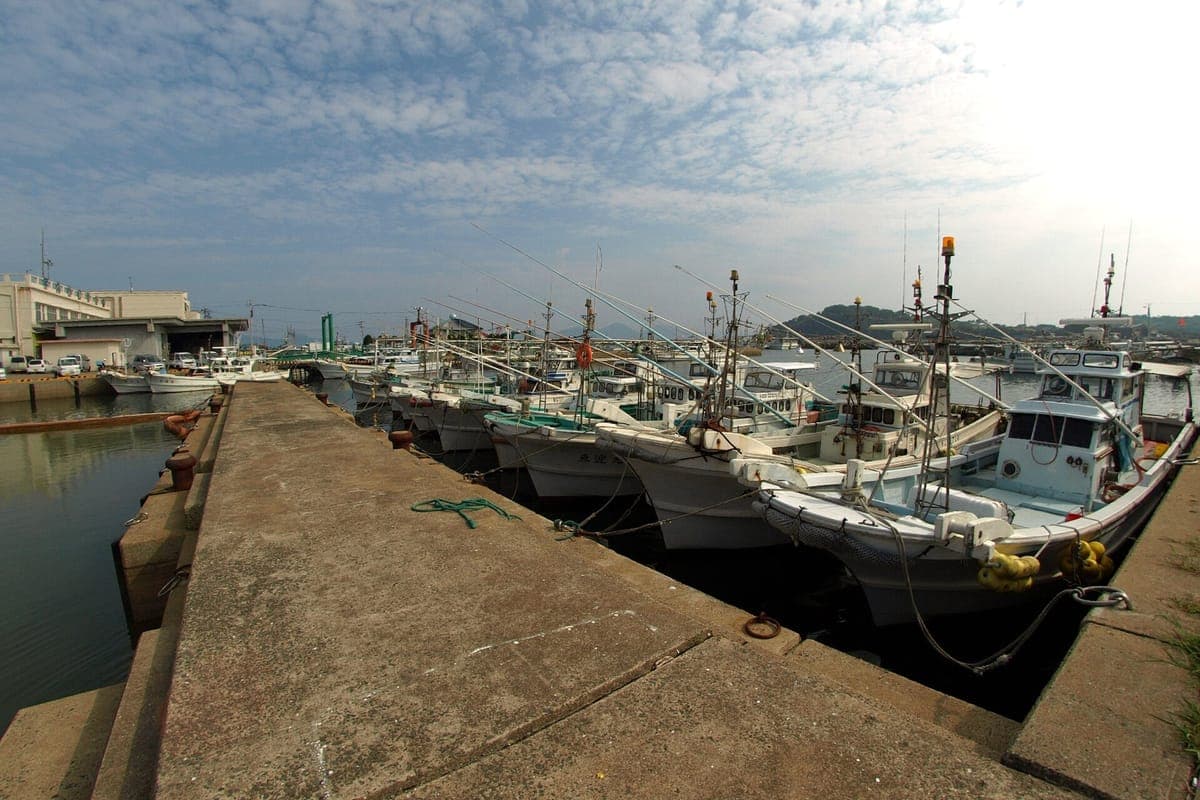
Ojika Island is a serene getaway in the Goto Islands, known for its ancient history and beautiful empty beaches. The revival of traditional machiya guesthouses offers a unique glimpse into local culture and hospitality.
OkinawaOkinawa
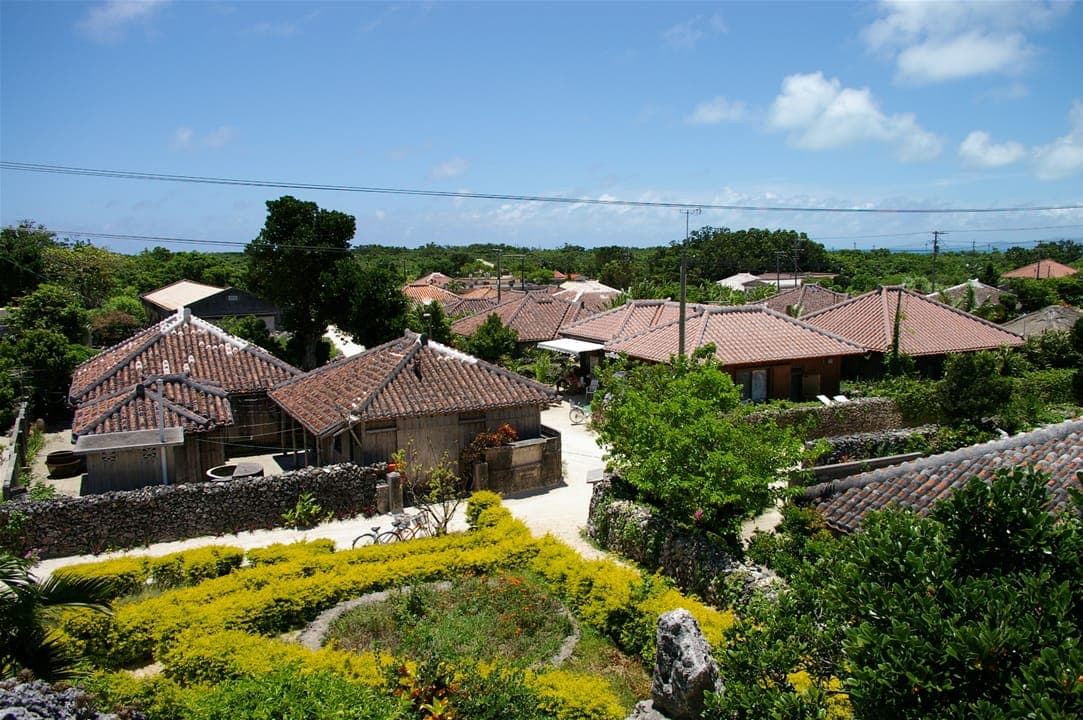
The heart of tiny Taketomi: lanes of white coral sand between red-tiled bungalows and coral-stone walls, shaded by hibiscus and bougainvillea. Explore on foot, by rented bicycle, or aboard a slow water-buffalo cart while the driver plays sanshin — a preserved glimpse of old Okinawa.
OkinawaOkinawa
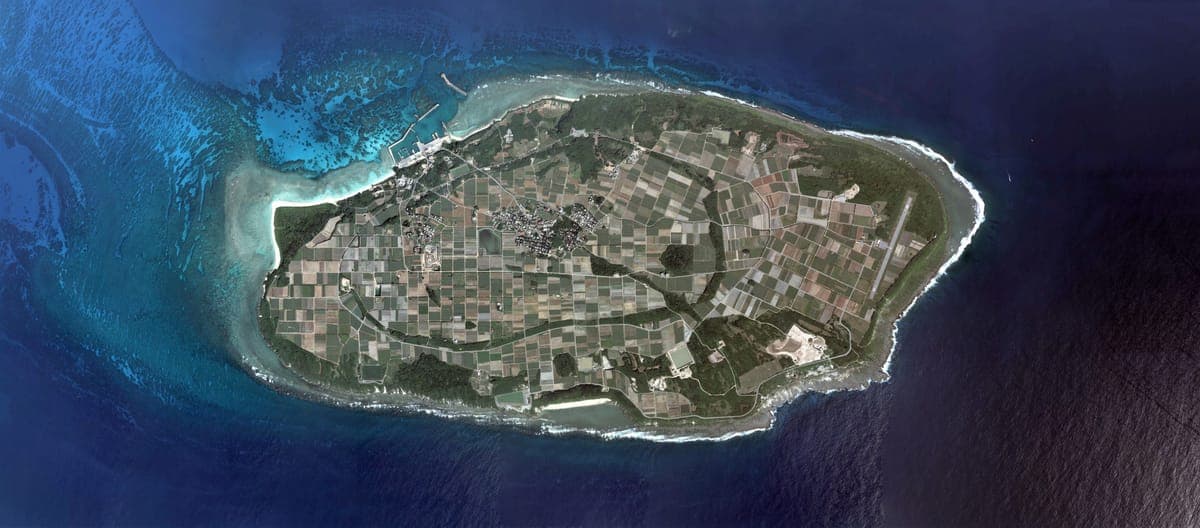
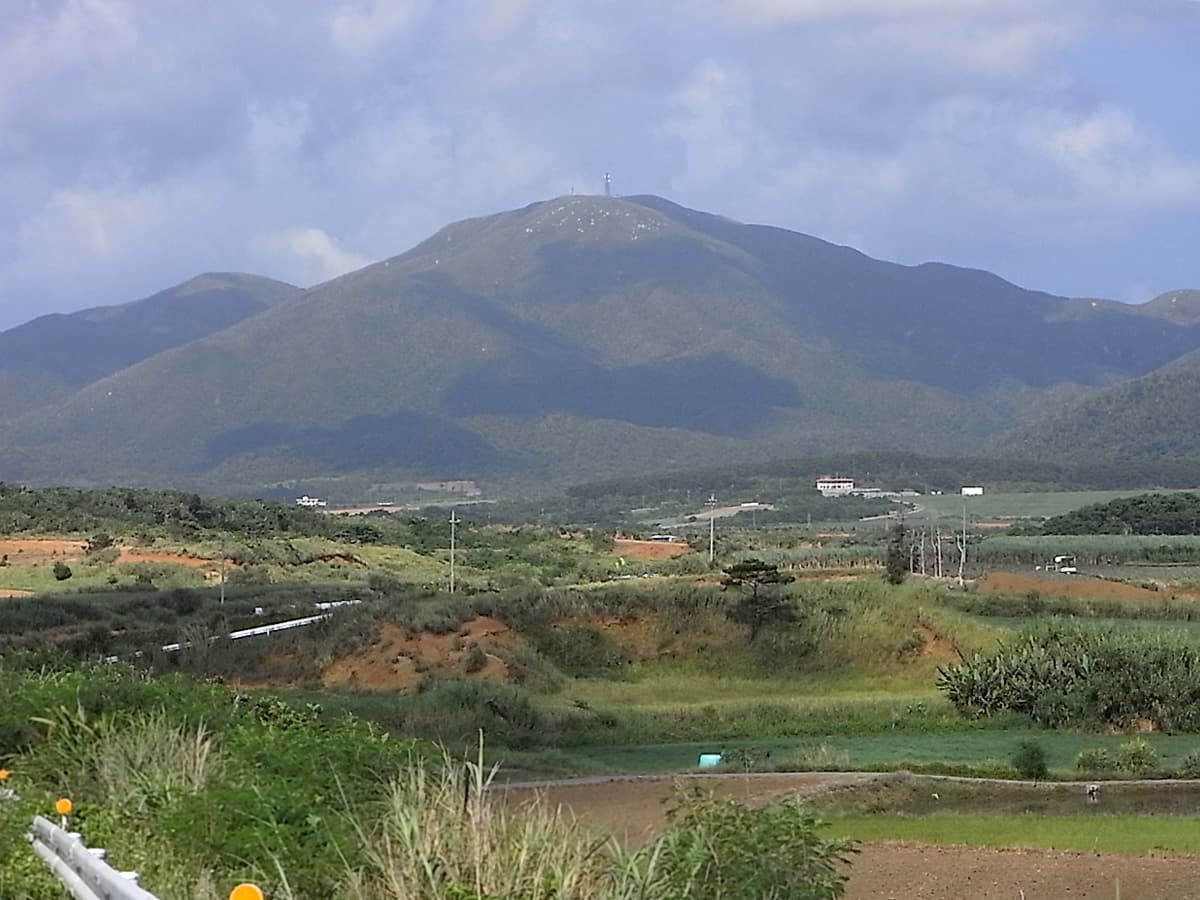
Japan's southernmost inhabited island — sugar cane fields, a single ring road, and Nishihama beach where the water shifts through every shade of blue. There's a marker at the end of the country.
ChugokuHiroshima
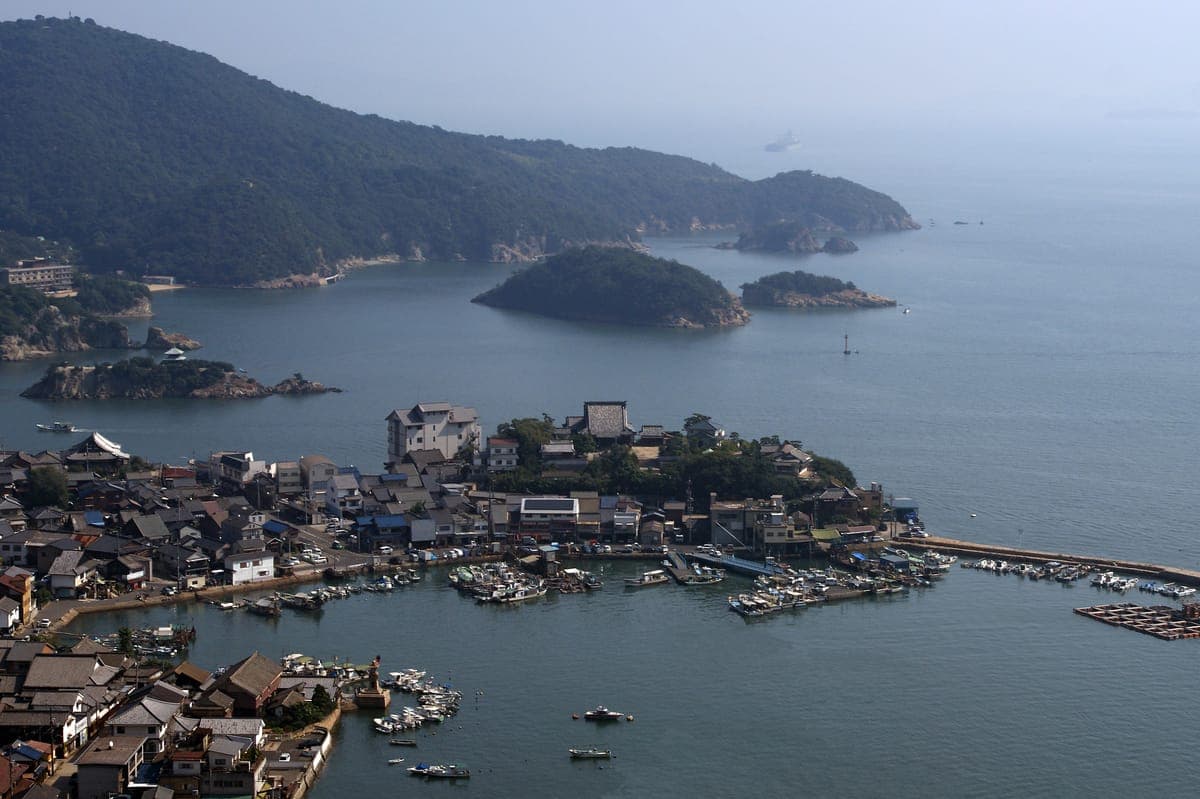
An Edo-era harbour town on the Inland Sea where stone lighthouses, sake breweries, and Hayao Miyazaki's Ponyo coastline converge. Tides shift fast in the bay — locals still navigate by them.
Wakayama
A mountaintop monastic town founded by Kukai in 816 — over 100 working temples and the Okunoin cemetery, where 200,000 lanterns light a path through cryptomeria forest at night. Stay in a temple lodging and join morning prayers.
TohokuYamagata
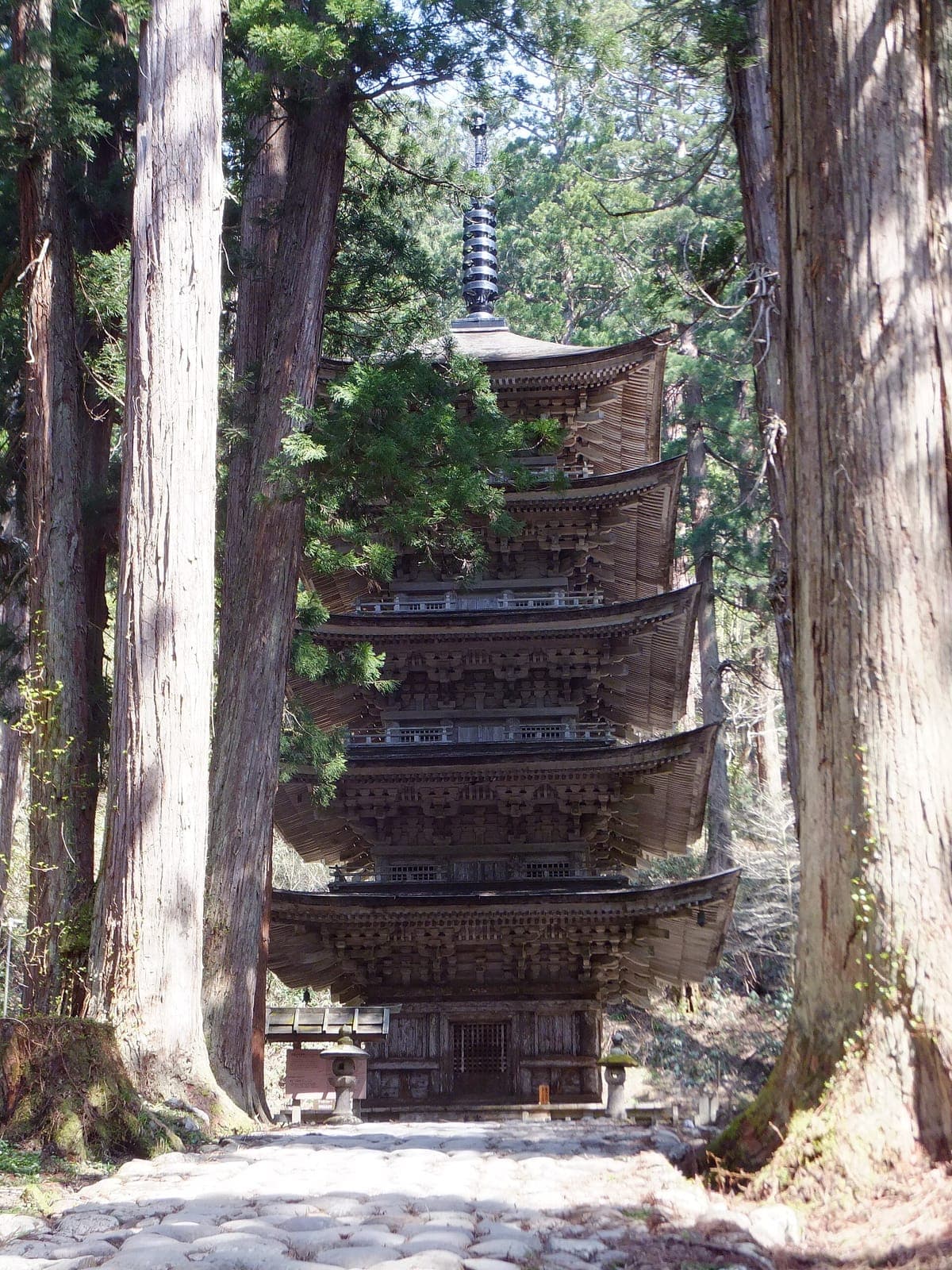
A UNESCO Creative City of Gastronomy on the Sea of Japan, gateway to the Dewa Sanzan three-mountain pilgrimage. Yamabushi mountain ascetics still walk these forests; preserved seed varieties feed shojin temple cuisine.
ChubuNagano
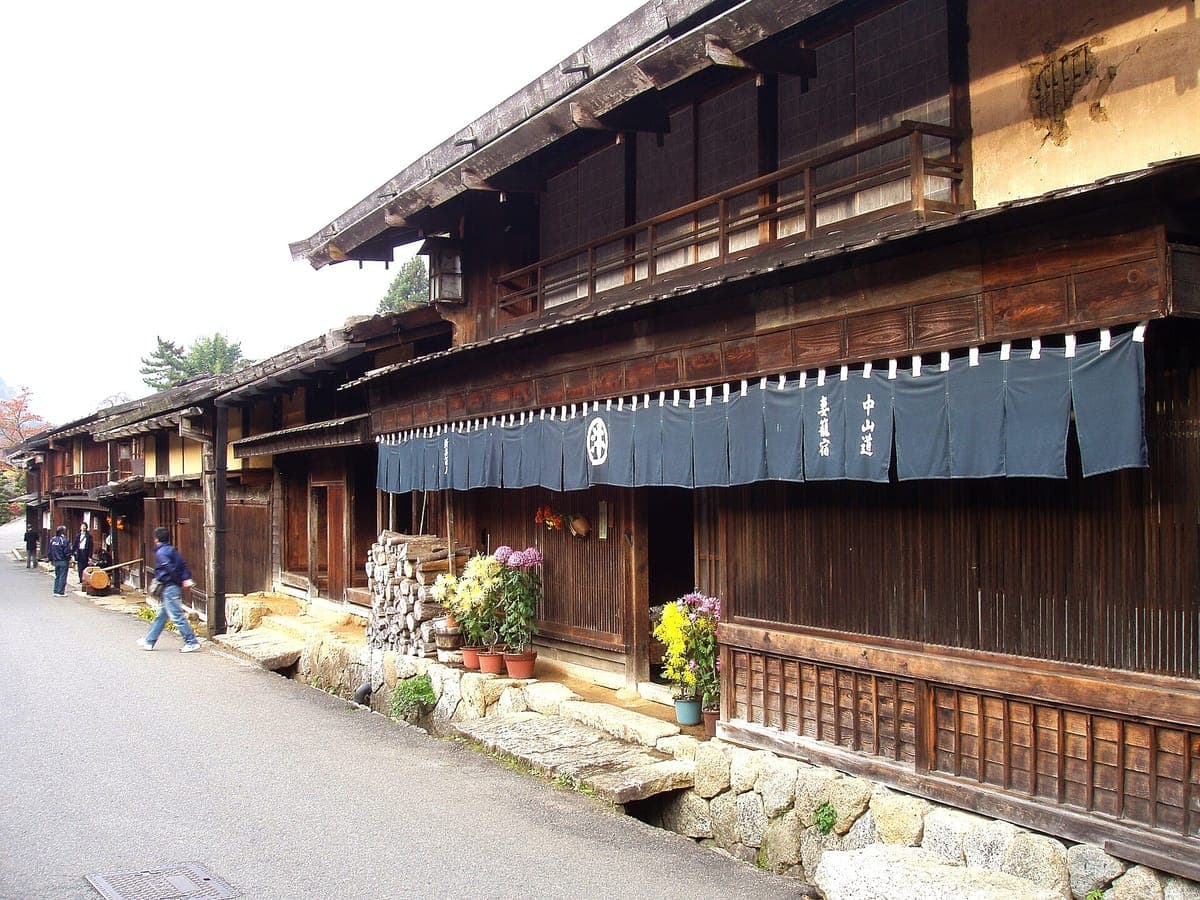
A preserved Edo post town on the Nakasendo highway, where overhead wires are buried and modern signage banned. Walk the 8 km cobbled trail from Magome at dawn — the path between the two towns is the experience.
ShikokuTokushima
A mountain village of 1,500 people that sorts waste into 45 categories and aims for zero landfill. Visit the Zero Waste Center, eat at the on-site cafe, and see what a circular economy looks like at human scale.
Kagawa
An Inland Sea island remade into a contemporary art landscape — Tadao Ando architecture, James Turrell light works, Yayoi Kusama's pumpkins, and the Chichu and Lee Ufan museums embedded in the hills.
KyushuKagoshima
The highest publicly accessible viewpoint (373m) on Sakurajima's north flank, looking into the crater rim and across Kinko Bay to Kagoshima City.
KansaiOsaka
Japan's second-tallest building (300m, 60 floors), topped by the Harukas 300 observatory with a glass-walled open-air walkway on the 60th floor and 360° views over Osaka to Kobe, Kyoto, and (on clear…
KyushuNagasaki
Built in 1864, the oldest standing Christian church in Japan and a National Treasure; site of the 1865 'Discovery of Hidden Christians' where Nagasaki's underground Kirishitan community revealed…
KantoKanagawa
A Jōdo-shū Buddhist temple housing the 11.4m bronze Amitābha Buddha statue (cast 1252), one of Japan's most recognized monuments and Kanagawa's undisputed #1 icon.
KantoTokyo
A volcanic crater lake formed by a steam explosion roughly 2,500 years ago, ringed by rare old-growth broadleaf forest that survived Miyakejima's repeated eruptions. The largest freshwater lake in…
KantoTokyo
An uninhabited islet off Chichijima's southwest coast in the Ogasawara (Bonin) Islands — Tokyo's UNESCO World Natural Heritage archipelago. Its Ogi-ike lagoon, a turquoise tidal pool sealed off from…
OkinawaOkinawa
A UNESCO World Heritage 1519 stone gate at the edge of Shuri Castle Park, a royal Ryukyu prayer-site portal — the king ritually paid respects here before journeys.
OkinawaOkinawa
A UNESCO World Heritage royal mausoleum built 1501 by King Shō Shin for the Second Shō Dynasty kings, ~450m west of Shuri Castle in Shuri, Naha.
OkinawaOkinawa
UNESCO World Heritage castle ruins in Yomitan, built ~1416-1422 by the general Gosamaru; noted for the most refined curved stone-arch gate masonry of any Ryukyu gusuku.
OkinawaOkinawa
UNESCO World Heritage 15th-century Ryukyuan castle ruins on a 160m hilltop in Kitanakagusuku/Nakagusuku, with well-preserved curved limestone ramparts and coastal views.
OkinawaOkinawa
A solemn WWII memorial park on Mabuni Hill, Itoman — the site where the Battle of Okinawa ended, with the Cornerstone of Peace inscribing the names of 240,000+ war dead of all nationalities, plus the…
HokkaidoHokkaido
A 525m mountain pass on Route 243 overlooking the full expanse of Lake Kussharo, one of the world's largest caldera lakes, with views to Mt. Shari and the Shiretoko mountains on clear days.
HokkaidoHokkaido
An active volcanic vent field near Kawayu Onsen where visitors walk within meters of hissing, sulfur-yellow fumaroles; hard-boiled eggs cooked in the natural steam are sold on-site.
HokkaidoHokkaido
A small dammed lake in Akan-Mashu National Park nicknamed 'Goshikinuma' (five-colored lake) for how its surface shifts between blue, emerald, and near-black depending on light and season; framed by…
HokkaidoHokkaido
A ~398m volcanic lava dome that erupted out of a wheat field between 1943-45, still actively venting steam; sits beside Mt. Usu inside Shikotsu-Toya National Park.
HokkaidoHokkaido
Japan's third-largest caldera lake, near-perfectly circular, with the still-smoking Showa-Shinzan dome and Mt. Usu on its southern rim; hosts a nightly fireworks show for half the year.
KyushuKagoshima
A rare 'hot-spring waterfall' in the Kirishima onsen district — 23m high, fed by four upstream hot springs, visibly steaming in winter, on the road between Maruo Onsen and Kirishima Shrine.
KyushuKagoshima
Kyushu's largest lake, a 233m-deep volcanic caldera lake between Kagoshima City and Ibusuki, famous for giant eels, the 'Issie' legend, and Mt. Kaimon views.
KyushuKagoshima
A memorial museum on the former Chiran Army Airfield site — pilots' letters, photos, and a restored Zero fighter; Japan's principal WWII tokkō memorial.
KyushuKagoshima
The southernmost point of mainland Kyushu, a subtropical cape inside Kirishima-Kinkō Bay National Park with an 1871 lighthouse.
KyushuKagoshima
A free hilltop lookout (107m) in central Kagoshima City with the classic Sakurajima-over-the-bay panorama; site of the 1877 Satsuma Rebellion's final battle.
KyushuKagoshima
A Shimadzu-clan 17th-century strolling garden at the foot of Sakurajima, part of the Meiji Industrial Revolution UNESCO site, using the volcano as 'borrowed scenery.'
KyushuKagoshima
A free 100m natural hot-spring footbath — one of Japan's longest — set into a coastal lava-rock promenade, 8 min from Sakurajima Port.
KansaiKyoto
A 17th-century imperial garden estate built for retired Emperor Go-Mizunoo, comprising three terraced gardens climbing the eastern hills, culminating in a huge artificial pond with borrowed-scenery…
KansaiKyoto
A small sub-temple in Ohara, right next to Sanzen-in, with a famous 'framed garden' (shakkei) viewed while seated on tatami with tea and sweets, plus a 700-year-old pine.
KansaiKyoto
An 8th-century mountain temple, birthplace of the Reiki healing tradition, reached via a short cable car or a forested hike up Mt. Kurama; connects directly to the Kibune/Kifune cluster over the…
KansaiKyoto
UNESCO Rinzai Zen temple famous for its moss garden (120+ moss species) around a heart-shaped pond; strictly reservation-only, requires sutra-copying or zazen before garden access.
KansaiKyoto
Kyoto's oldest Shinto shrine (founded 678 AD), on the Kamo River in the north of the city, famous for its twin conical sand mounds (tatezuna).
KansaiKyoto
One of Japan's oldest Shinto shrines (6th century), set inside the primeval Tadasu-no-Mori forest at the confluence of the Kamo rivers; twin main halls are National Treasures.
KansaiOsaka
A nationally-designated Important Preservation District (since 1997) — a temple-founded Edo-period merchant town (est. 1558) with an intact 6×7 street grid, ~250 traditional lattice-front townhouses,…
Osaka
Tarō Okamoto's 70m avant-garde sculpture, the surviving symbol of the 1970 Osaka World Expo, standing in a large park with Japanese and Western gardens, the National Museum of Ethnology (Minpaku),…
KyushuNagasaki
A brick church (1908) by master church architect Tetsukawa Yosuke, standing alone on Nozaki Island — now completely uninhabited (the last residents left in 2001). Just completed a 3-year restoration…
KyushuNagasaki
A rare stone-built Catholic church (1910-1919) on a small island in the Goto chain, built by hand by a formerly-persecuted Kirishitan fishing community using sandstone quarried on the island itself.…
KyushuFukuoka
Mainland head shrine of Munakata Taisha (~6,000 affiliated shrines nationwide) and the visitable mainland component of the UNESCO World Heritage Site 'Sacred Island of Okinoshima and Associated Sites…
KyushuFukuoka
Historic port district in Moji Ward, Kitakyushu — preserved Meiji/Taisho-era Western-style buildings along the Kanmon Straits waterfront, directly facing Shimonoseki (Honshu) across the water.
KyushuFukuoka
A reconstructed 17th-century castle keep (built 1602 by Hosokawa Tadaoki, rebuilt 1959) in central Kitakyushu, with an adjoining Edo-period strolling garden and Yasaka Shrine on the grounds.
Showing 48 of 1002