Iya Valley
祖谷渓Tokushima
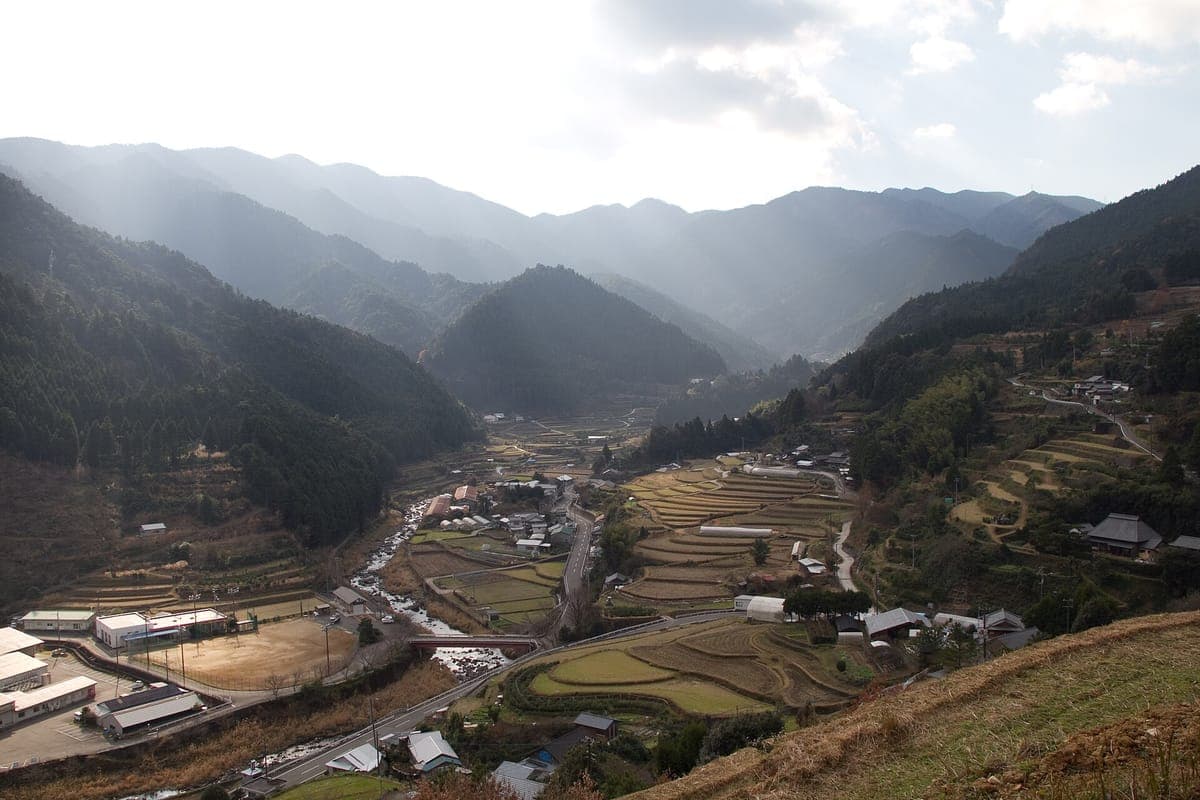
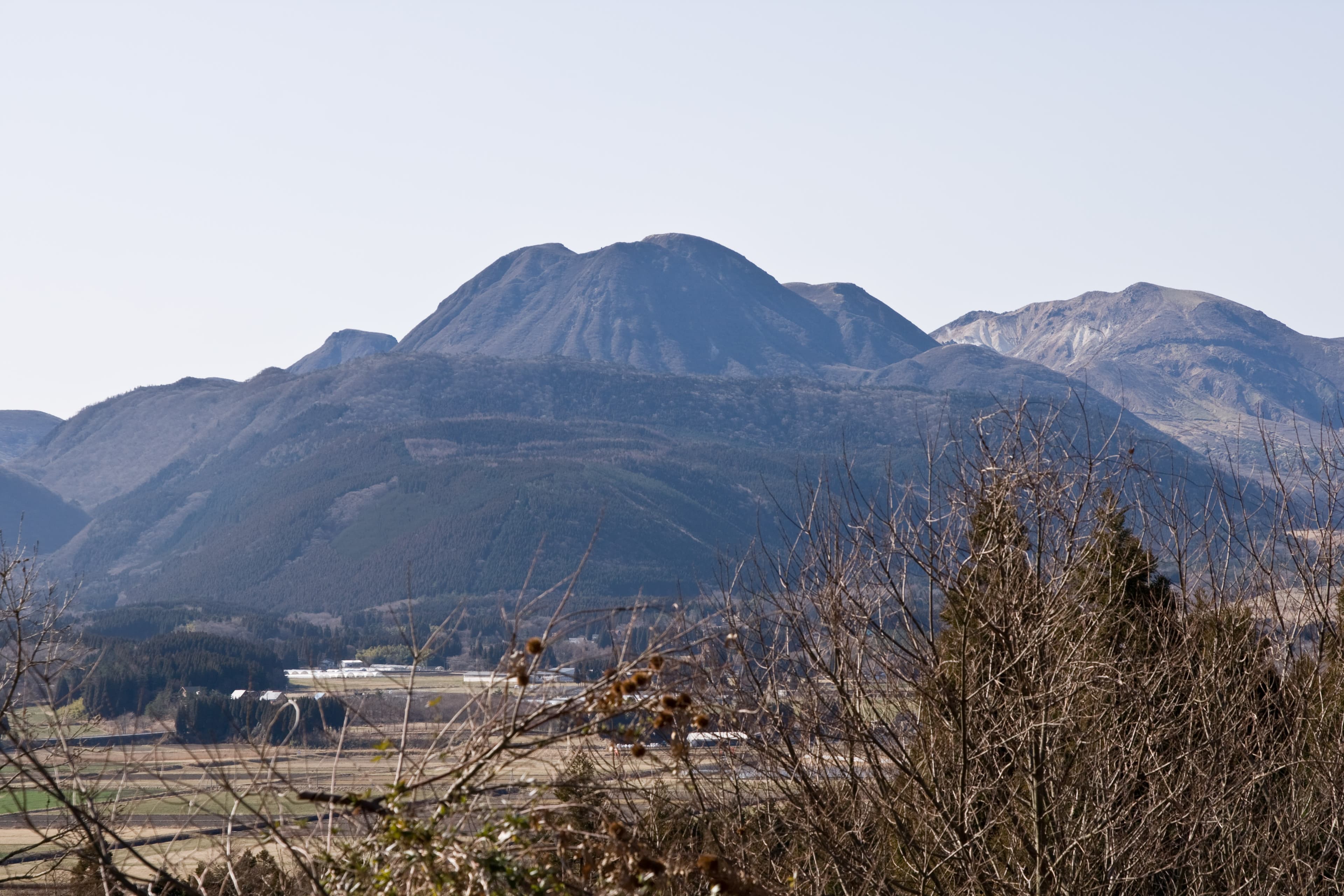
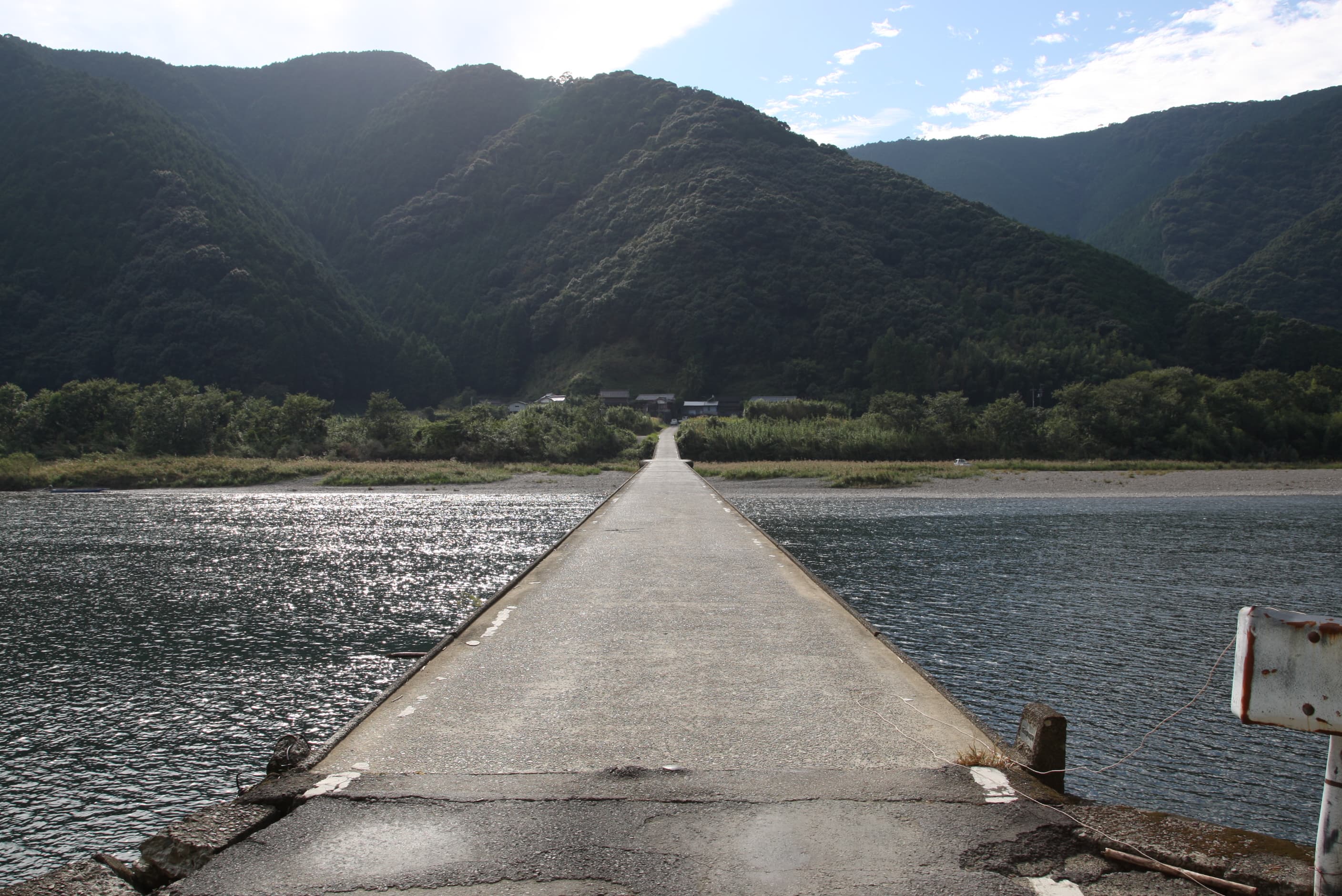
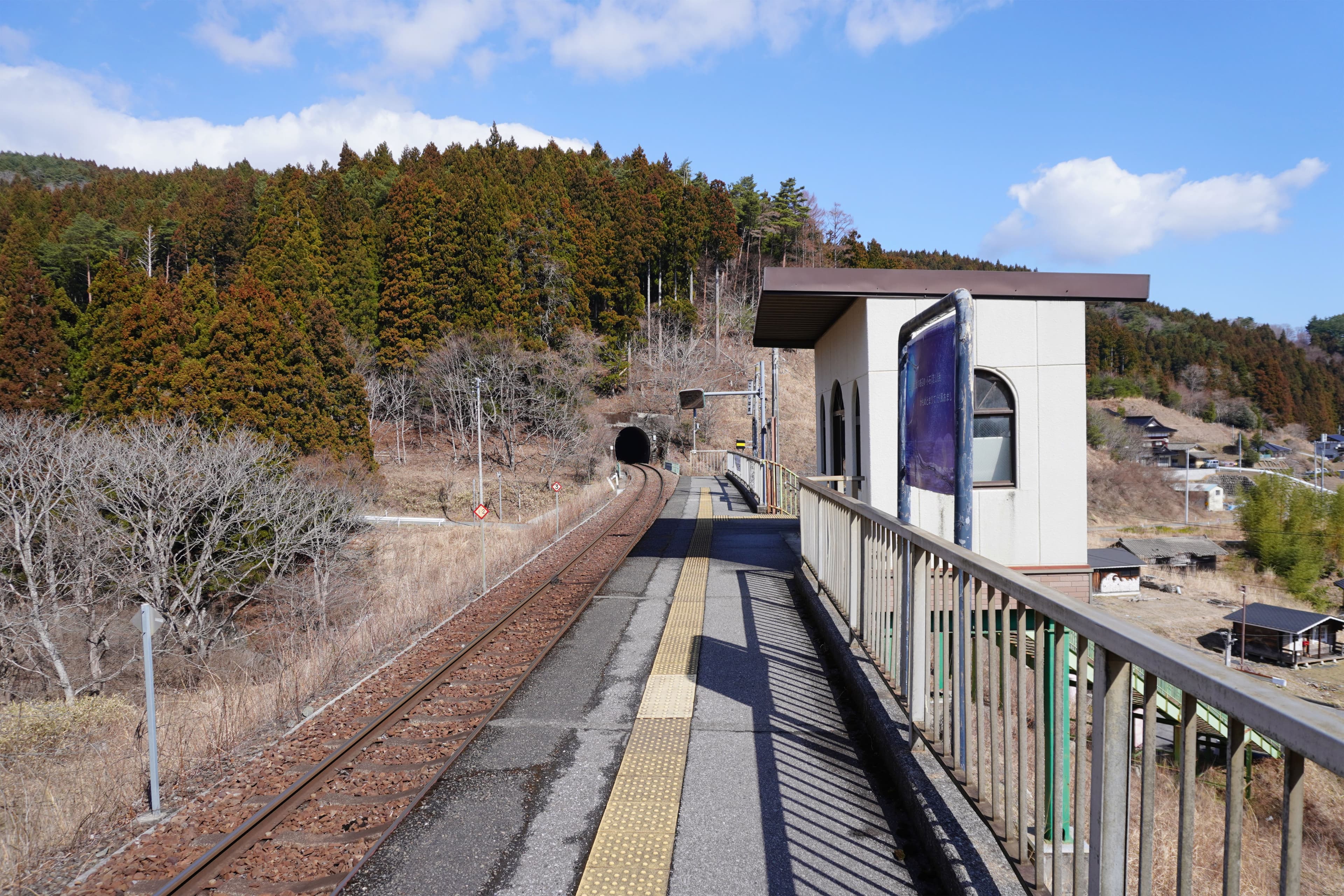
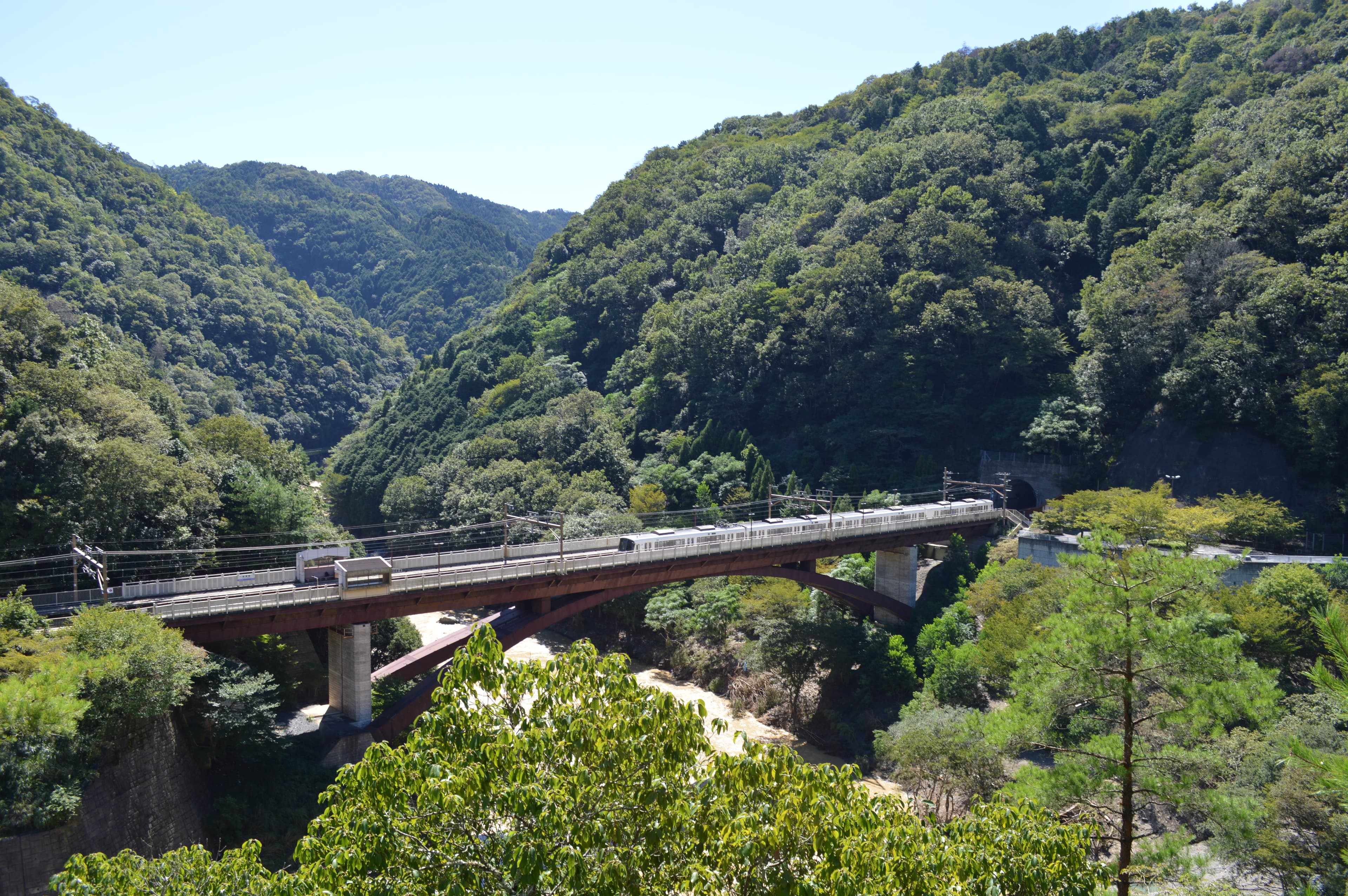
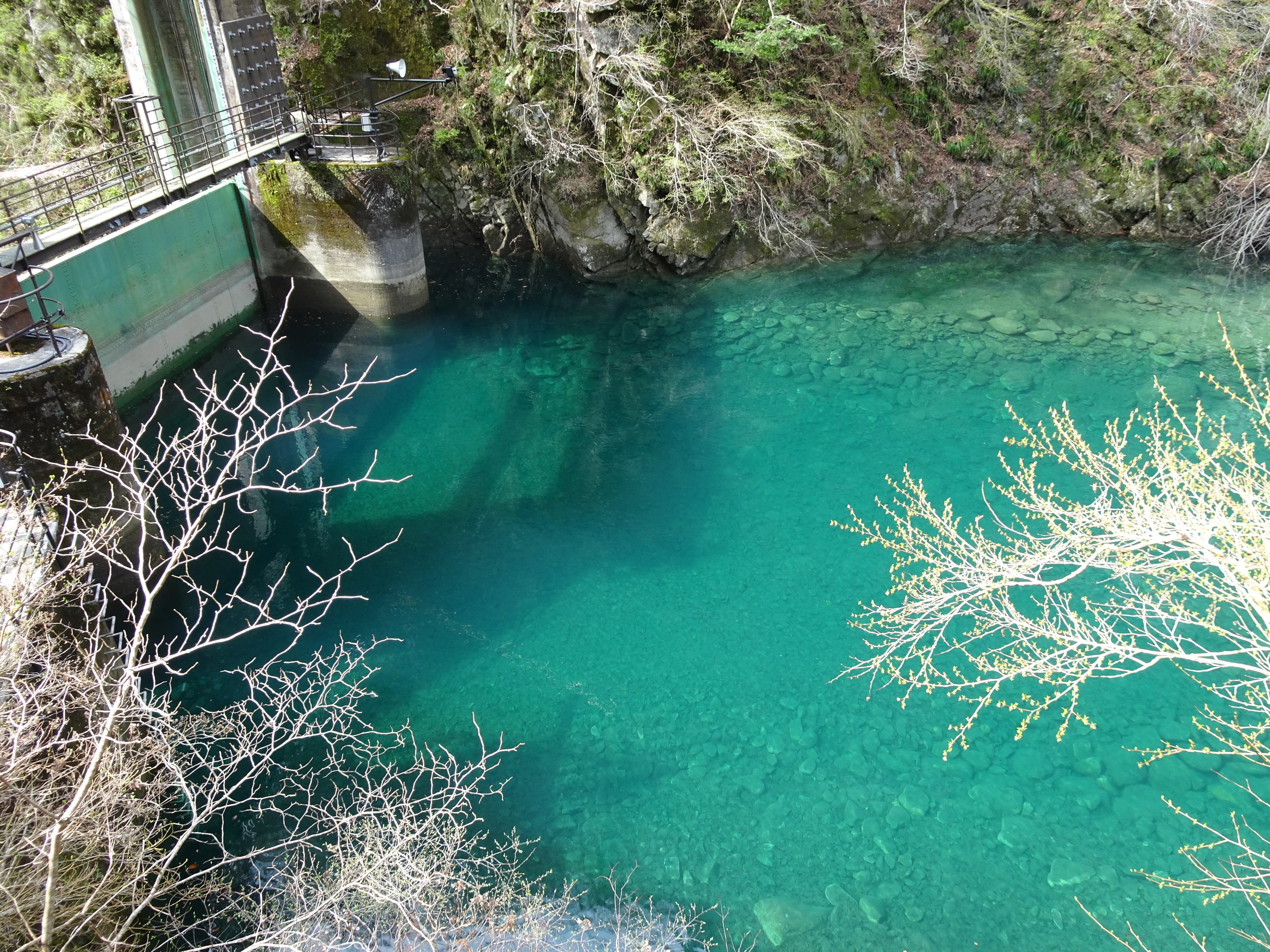
A deep, mist-bound gorge in Shikoku's mountainous interior, where vine bridges sway over jade water and feudal-era refugees once hid from pursuers. Most foreign visitors stop in Tokushima city and never reach the highlands.
Browse
1001 destinations across Japan.
Showing 1001 places
Tokushima
A deep, mist-bound gorge in Shikoku's mountainous interior, where vine bridges sway over jade water and feudal-era refugees once hid from pursuers. Most foreign visitors stop in Tokushima city and never reach the highlands.
Kagoshima
A subtropical UNESCO island of ancient cedar forests, some trees over 2,000 years old. Studio Ghibli's Princess Mononoke drew its mossy, primeval atmosphere from these slopes.
Gifu
A UNESCO village of steep-thatched gassho-zukuri farmhouses tucked in a snowbound Hida valley. Winter illuminations turn it into a postcard, but the real value is the dawn light before tour buses arrive.
KyushuNagasaki
Ojika Island is a serene getaway in the Goto Islands, known for its ancient history and beautiful empty beaches. The revival of traditional machiya guesthouses offers a unique glimpse into local culture and hospitality.
OkinawaOkinawa
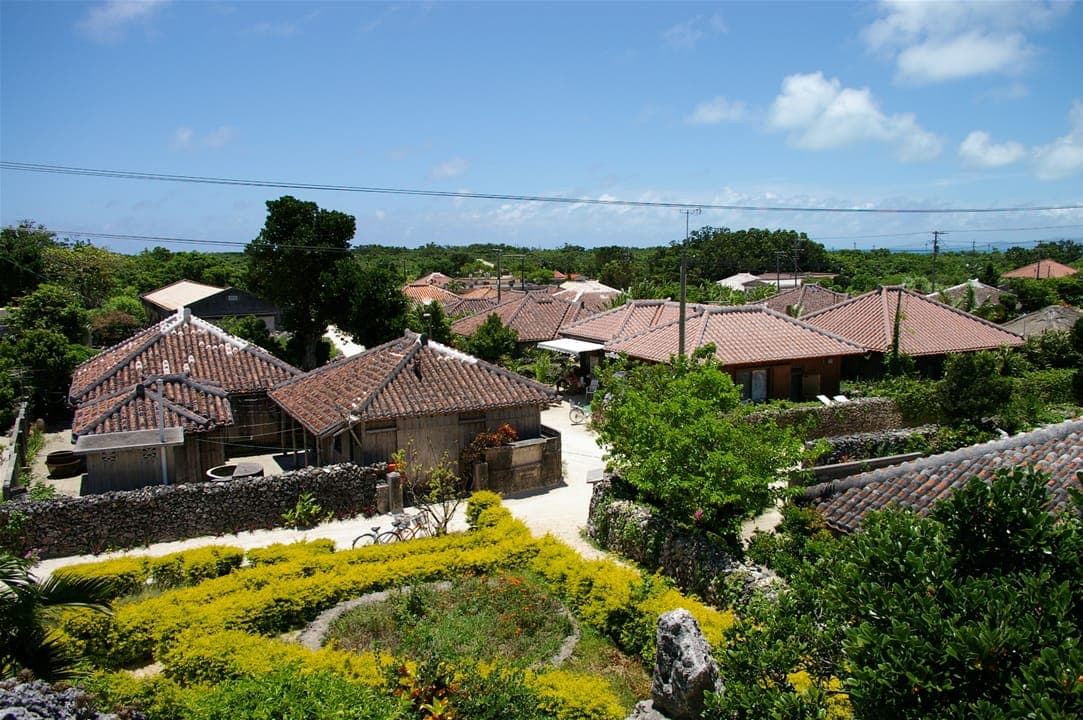
The heart of tiny Taketomi: lanes of white coral sand between red-tiled bungalows and coral-stone walls, shaded by hibiscus and bougainvillea. Explore on foot, by rented bicycle, or aboard a slow water-buffalo cart while the driver plays sanshin — a preserved glimpse of old Okinawa.
OkinawaOkinawa
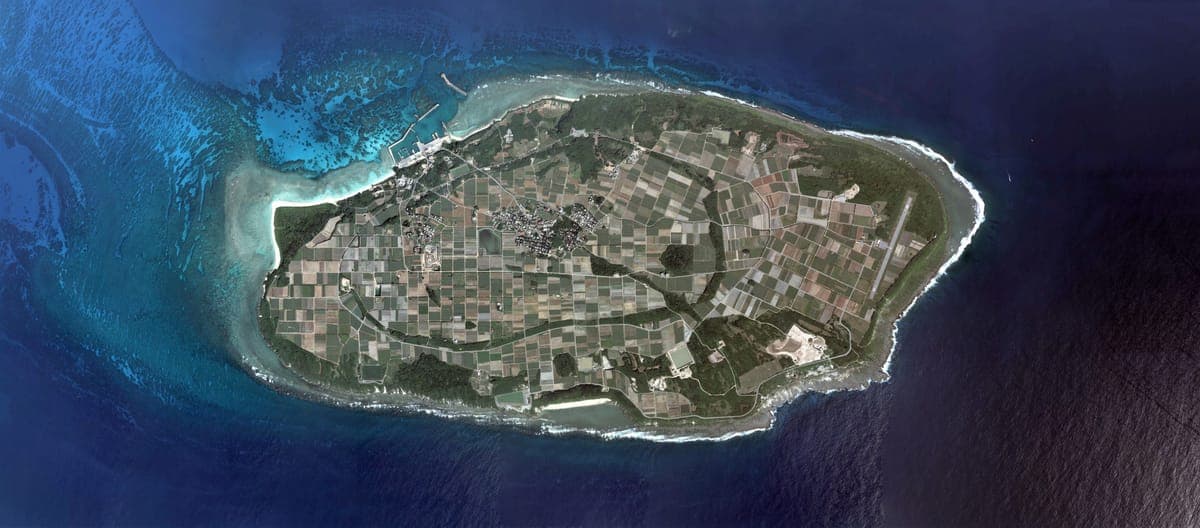
Japan's southernmost inhabited island — sugar cane fields, a single ring road, and Nishihama beach where the water shifts through every shade of blue. There's a marker at the end of the country.
ChugokuHiroshima
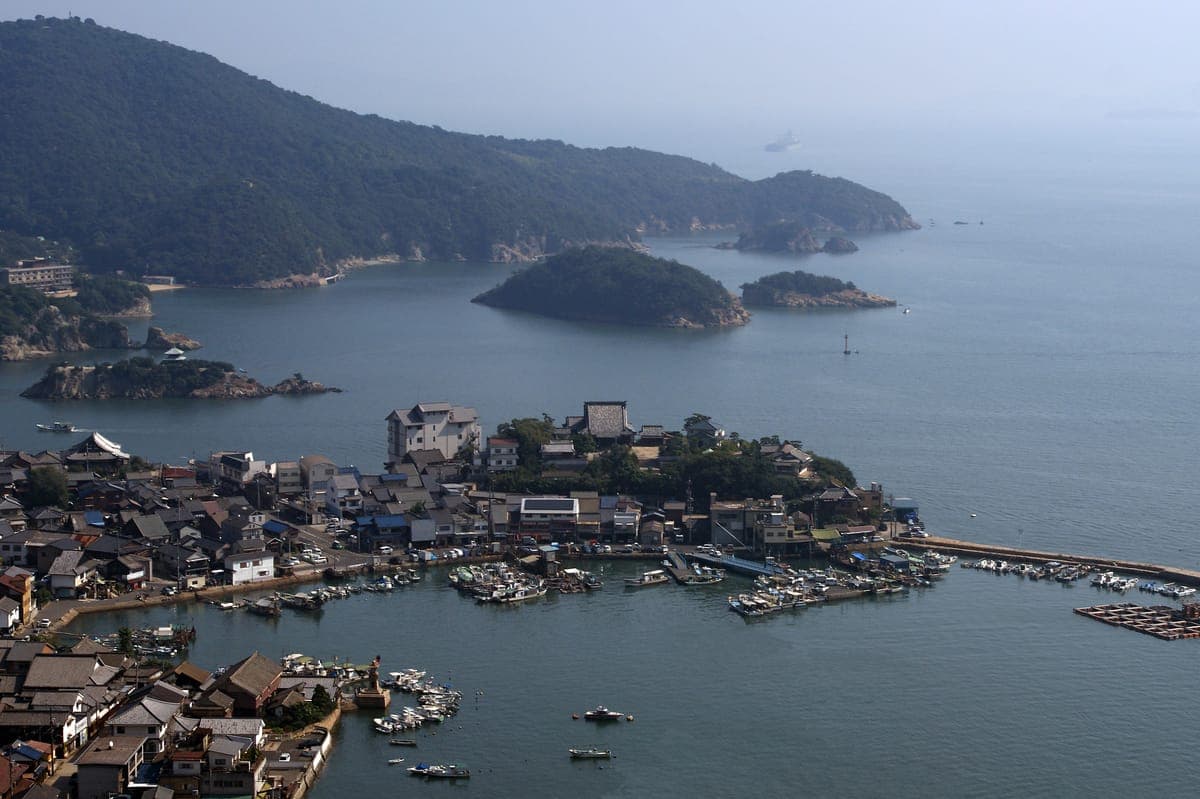
An Edo-era harbour town on the Inland Sea where stone lighthouses, sake breweries, and Hayao Miyazaki's Ponyo coastline converge. Tides shift fast in the bay — locals still navigate by them.
Wakayama
A mountaintop monastic town founded by Kukai in 816 — over 100 working temples and the Okunoin cemetery, where 200,000 lanterns light a path through cryptomeria forest at night. Stay in a temple lodging and join morning prayers.
TohokuYamagata
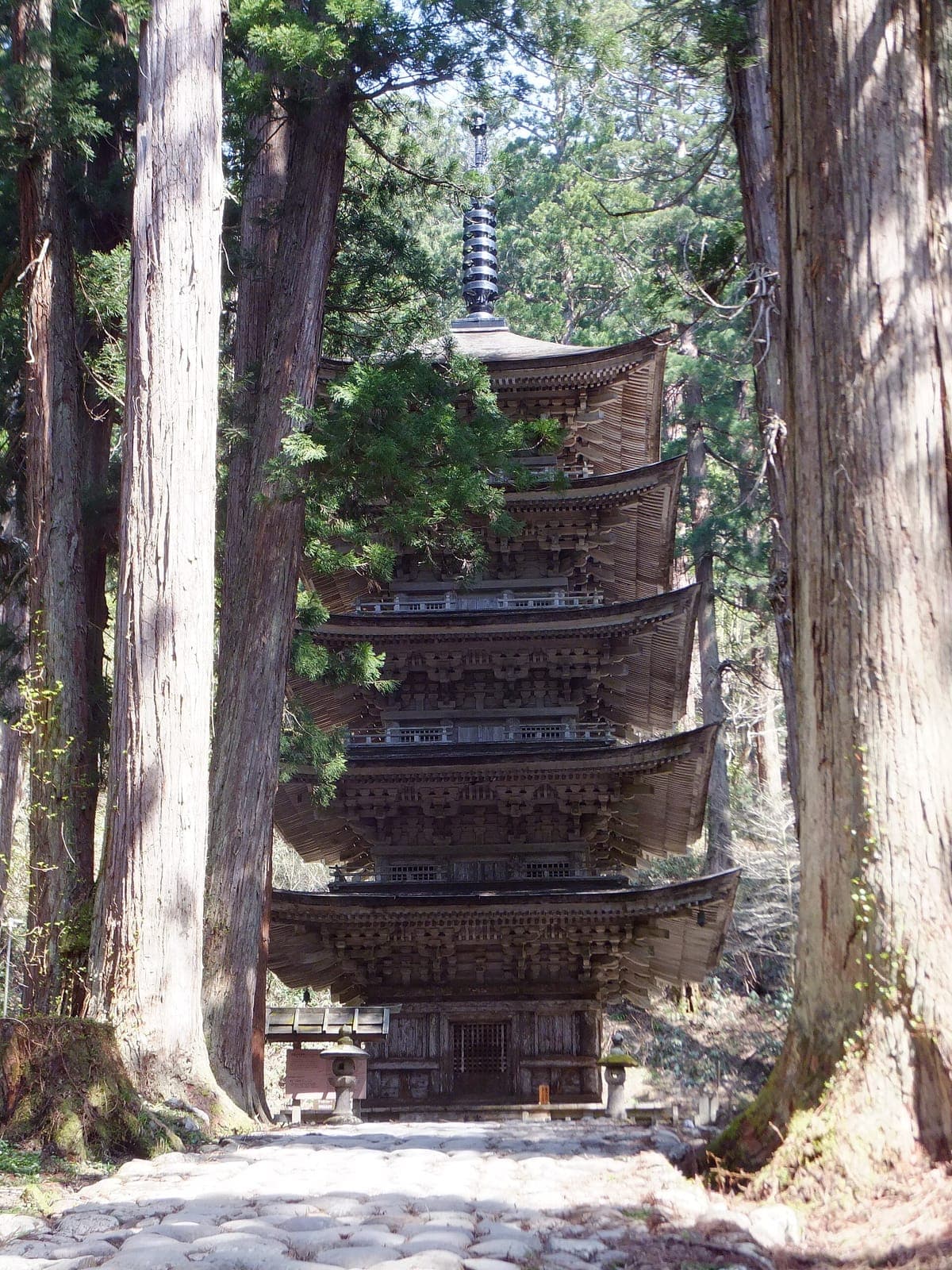
A UNESCO Creative City of Gastronomy on the Sea of Japan, gateway to the Dewa Sanzan three-mountain pilgrimage. Yamabushi mountain ascetics still walk these forests; preserved seed varieties feed shojin temple cuisine.
ChubuNagano
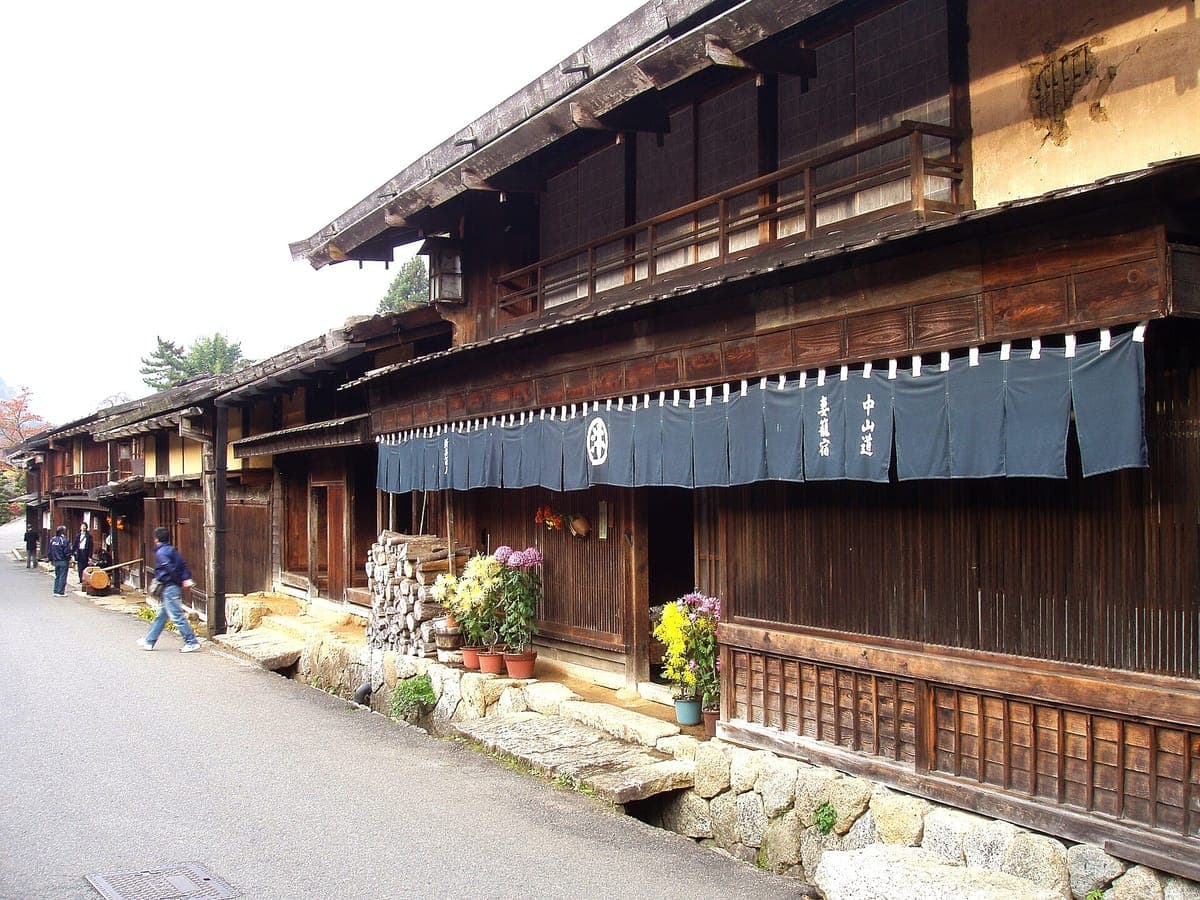
A preserved Edo post town on the Nakasendo highway, where overhead wires are buried and modern signage banned. Walk the 8 km cobbled trail from Magome at dawn — the path between the two towns is the experience.
ShikokuTokushima
A mountain village of 1,500 people that sorts waste into 45 categories and aims for zero landfill. Visit the Zero Waste Center, eat at the on-site cafe, and see what a circular economy looks like at human scale.
Kagawa
An Inland Sea island remade into a contemporary art landscape — Tadao Ando architecture, James Turrell light works, Yayoi Kusama's pumpkins, and the Chichu and Lee Ufan museums embedded in the hills.
OkinawaOkinawa
Founded in 1950 in the village center of Hateruma Island, this is Japan's southernmost awamori distillery, producing the "Awanami" (泡波) brand at roughly 6,000 bottles a month, about 95% of which is…
OkinawaOkinawa
Japan's southernmost sugar mill, on Hateruma Island in the Yaeyama Islands, rebuilt in 2014 with roughly 130 tons/day processing capacity. During the harvest season (roughly December-April), visitors…
Fukuoka
A free, open-air public viewing deck on the 4th floor of Fukuoka Airport's Domestic Terminal, located pre-security with no boarding pass required, open 7:00 AM-10:00 PM daily weather permitting. One…
HokkaidoHokkaido
The Otaru Music Box Museum (Otaru Orgel-do) occupies a red-brick building dating to 1902 in Otaru's historic Sakaimachi Street district, and has operated as a museum/shop since 1967. It houses…
OkinawaOkinawa
A free white observation tower shaped like a grey-faced buzzard (sashiba, a migratory bird), standing at Irabu Island's highest point (about 90m elevation) just after the Irabu Ohashi Bridge landing.…
OkinawaOkinawa
Two sinkhole ponds on Shimoji Island's west coast (75m and 55m diameter) formed when a limestone karst cave system collapsed; they're connected to each other underground and to the open ocean via a…
OkinawaOkinawa
A viewpoint at the northern end of Shimojishima Airport's Runway 17, named for the runway's 170-degree compass heading. At low tide a sandy shore is exposed in shallow turquoise water directly…
Okinawa
A small, high-walled cove on Shimoji Island's southwest coast, nicknamed the "natural aquarium" for its dense coral cover and over 100 species of tropical fish in a sheltered bay only 2-4m deep near…
OkinawaOkinawa
A shallow, gently sloping beach spanning from northwest Irabu Island to northeast Shimoji Island, scattered with large boulders that were carried ashore by the 1771 Great Yaeyama Tsunami — a…
OkinawaOkinawa
An approximately 800m arc of fine white sand on Irabu Island's southwest coast; the water is exceptionally clear turquoise-to-emerald, and because no coral reef fringes the beach there's no coral or…
OkinawaOkinawa
A roughly 1.3km straight road on Kohama Island cutting through sugarcane fields and pastureland near Kohama Port, transitioning from downhill to uphill with ocean views. Used as the schoolchildren's…
OkinawaOkinawa
A beach at Kohama Island's western tip looking directly across the Yonara Channel ("Manta Way," a manta ray migration route) to Iriomote Island. No parking lot or restroom facilities; the access road…
OkinawaOkinawa
A deck completed in 2013 on Kohama Island overlooking the mangrove forest lining Ishinagata Beach, with sightlines to Iriomote and Yubu islands; a well-known sunset spot. Free parking for 10 cars,…
OkinawaOkinawa
Kohama Island's second-highest peak, just west of Ufudaki, reached by an easier roughly 100-step climb. A monument commemorating the NHK drama "Churasan" stands at the summit alongside benches, with…
OkinawaOkinawa
The highest point on Kohama Island (99m elevation), with an observation deck reached via roughly 300 stairs. On a clear day it offers a 360-degree panorama taking in Ishigaki, Taketomi, Kuroshima,…
Okinawa
An undeveloped beach on Taketomi Island's east coast, reached via an unpaved track locally nicknamed "Butterfly Road"; the name means "east beach/east field" in the local dialect. Strong currents…
OkinawaOkinawa
A national-park visitor center on Taketomi Island near the ferry terminal (opened 2004, run under the Iriomote-Ishigaki National Park authority) with free exhibits, a short film, and audio recordings…
OkinawaOkinawa
A free-admission workshop-museum on Taketomi Island where visitors watch artisans hand-weave Yaeyama minsā — the traditional indigo-dyed cotton textile with a symbolic five-and-four stripe pattern —…
OkinawaOkinawa
A small private museum on Taketomi Island attached to Kihōin — billed as Japan's southernmost Buddhist temple — displaying roughly 3,000-4,000 everyday and ceremonial artifacts collected from…
OkinawaOkinawa
A stone-and-concrete pier built in 1938 on Taketomi Island's west coast, once used by villagers ferrying to rice paddies on Iriomote by canoe. No longer used for boat traffic, it extends over shallow…
OkinawaOkinawa
A mid-14th-century Ryukyu-era gusuku (castle) site on Hateruma Island with dry-stacked coral-limestone walls, roughly 150m by 100m, designated a National Historic Site in 2003. Locally called…
OkinawaOkinawa
Built in 1959 near Hateruma Island's highest point (about 60m elevation), this working lighthouse is the southernmost lighthouse in Japan among inhabited areas (it lost the outright title to…
OkinawaOkinawa
A roughly 1.5km white-sand beach on Hateruma Island's northwest coast, known for vivid "Hateruma Blue" water; ranked #1 in TripAdvisor Japan's 2017 best-beaches list. Free showers and toilets near…
Okinawa
A self-funded concrete memorial erected in 1970 by a traveling student on Hateruma Island, marking the southernmost point of Japan accessible on an inhabited island (the true geographic extremity…
OkinawaOkinawa
A roughly 1km line of sheer Ryukyu-limestone cliffs on Hateruma Island's southeast coast, where Pacific swells crash into the rock face; the cliff walk connects toward the Southernmost Point Monument…
Hokkaido
The Tsurui Red-Crowned Crane Reserve is a vital habitat for the endangered red-crowned crane, offering visitors a chance to observe these majestic birds in their natural environment. The reserve…
KantoTokyo
A historic Japanese landscape garden at Hotel Chinzanso Tokyo, centered on a three-story pagoda relocated to the site and a waterfall fed by the garden's ponds and streams. The grounds change through…
Fukuoka
Experience authentic sushi prepared by local chefs using the freshest ingredients sourced from Fukuoka's markets. This hidden gem offers a cozy atmosphere where you can learn about sushi-making…
KantoSaitama
A shrine at the foot of Mt. Hodo (497m) in Nagatoro, founded around 110 AD as a place to pray for protection from natural disasters; the current Gongen-zukuri style buildings date to the early Meiji…
KantoSaitama
One of Japan's oldest shrines, tracing its founding back over 2,100 years. Its main hall carries intricate Edo-period carvings attributed to the legendary sculptor Hidari Jingoro, including an…
KansaiKyoto
One of Japan's most important shrines, founded in 947 to honor the scholar-statesman Sugawara no Michizane, now deified as the god of learning — students nationwide come to pray before exams. Famous…
KantoSaitama
An ancient mountain shrine founded around 1,900 years ago in the legend of Yamato Takeru, perched above 1,000m in the deep Okuchichibu mountains — one of the "Three Shrines of Chichibu" (Chichibu…
KantoSaitama
An exhibition hall directly across from Chichibu Shrine dedicated to the Chichibu Yomatsuri (Night Festival) — the year-round way to experience the festival's floats and atmosphere outside its two…
KantoTokyo
Oedo Onsen Monogatari is a unique hot spring theme park that recreates the atmosphere of the Edo period. Visitors can enjoy various types of onsen baths, traditional Japanese food, and cultural…
KansaiNara
Soni Kogen Plateau is a stunning highland area known for its expansive grasslands and beautiful seasonal flowers. The plateau offers breathtaking views of the surrounding mountains and is a popular…
HokkaidoHokkaido
A wooden American-style clock tower built in 1878 as a drill hall for Sapporo Agricultural College; now a museum and one of Hokkaido's most recognized symbols.
Showing 48 of 1001