Multi8 min read
Off-Season Japan: Why June and February Are the Best Time to Visit
The best time to visit Japan off season is the two months everyone skips. June's rain and February's snow buy you empty temples, cheap beds and better light.
Best time: June & February
Off-Season Japan: Why June and February Are the Best Time to Visit
Ask when to go to Japan and you will get the same two answers: cherry blossoms, or autumn leaves. Which is why, in those windows, you will queue for a temple gate, pay double for a room, and photograph the back of someone's head. The best time to visit Japan off season is the pair of months that every guidebook quietly writes off — June, because it rains, and February, because it is cold.
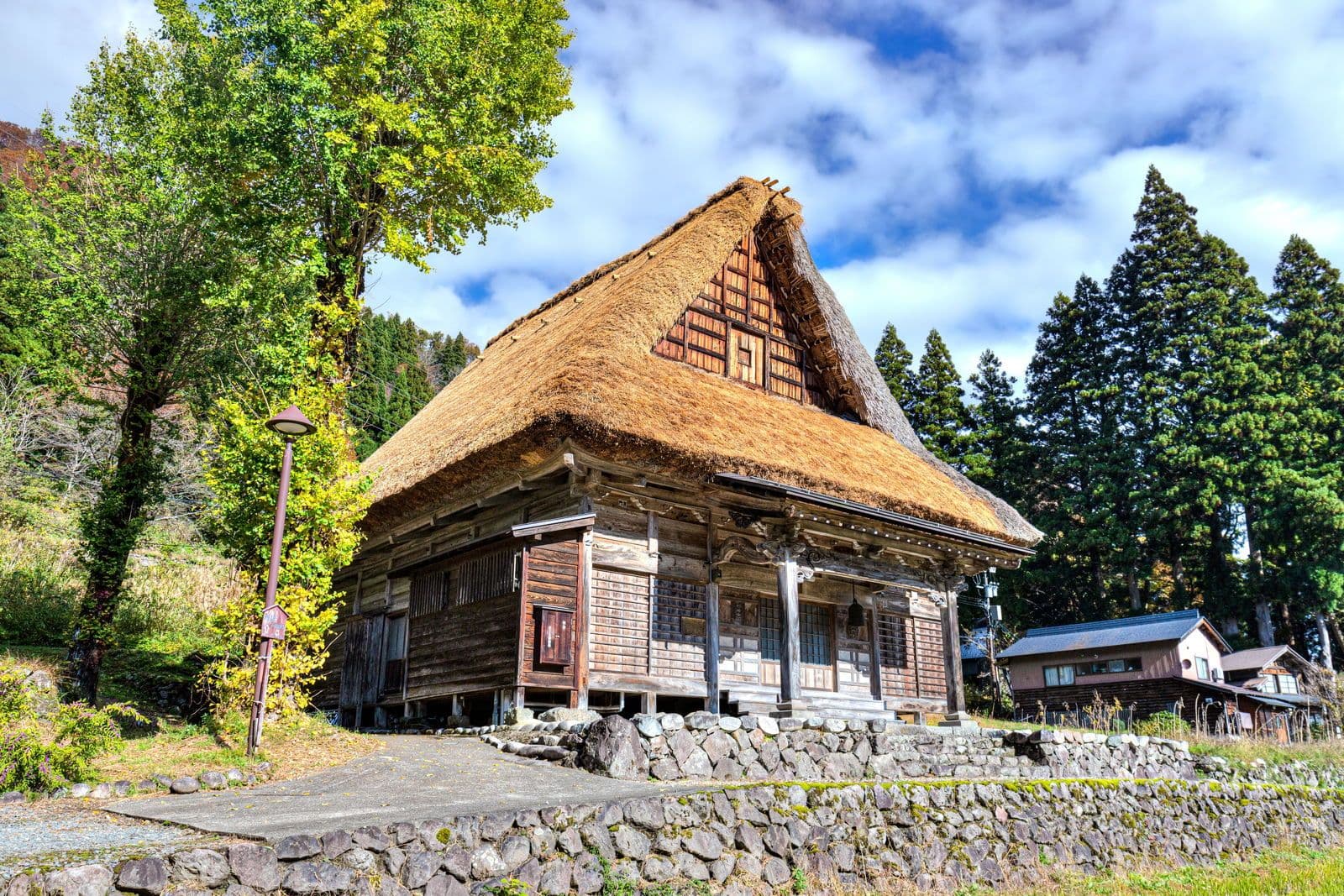
That is the whole objection: it rains; it is cold. In exchange you get a country that has stopped performing for anyone. Kyoto's outer temples with nobody in them. A gassho-roofed hamlet under deep snow with no tour bus in the car park. Plum trees — Japan's real first flower, and the one the crowds ignore — blooming in a Kyoto shrine while the sakura hunters are still at home booking April. Off-season is not a compromise. It is a different, better trip. Here is the case for each month, and nine places whose own seasons genuinely point at them.
The case for June
June is tsuyu, the rainy season: a few weeks of soft, steady rain settling over most of the country from early June. Not a monsoon — drizzle, low cloud and a lot of grey, doing three things nothing else does.
It turns moss incandescent — Japan's moss gardens are engineered for exactly this weather and look merely nice the rest of the year. It empties the temples: the same Kyoto lanes that are shoulder-to-shoulder in April are yours in the rain. And it hangs mist in the mountains, which is when the Japanese Alps stop looking like a postcard and start looking like an ink painting. There is a bonus June the brochures never mention, too — it is the shoulder in which the mountain season is still opening, with snow corridors still standing at altitude while the valleys go green.
(For the deep dive on hydrangeas and moss temples specifically, see Rainy-Season Japan: Hydrangea Temples & Mossy Gardens.)
The case for February
February is the coldest, clearest, cheapest month of the Japanese year, and the one that gives you all three great winter images at once: deep snow, drift ice, and the first blossom.
That last one is the trick most travellers miss. Before the cherry there is ume — plum — and February is its month. It is the flower Japanese poets actually wrote about, it smells (cherry doesn't), and it draws a fraction of the crowd. Add the snow-country festivals, the wintering wildlife, and the low raking light that makes timber and thatch look 400 years old: the New Year rush is over, nobody has started thinking about spring, and February is the emptiest good month there is.
(The deep dive: Japan in Winter Beyond Skiing: Snow, Ice & Steam.)
June
01Kyoto
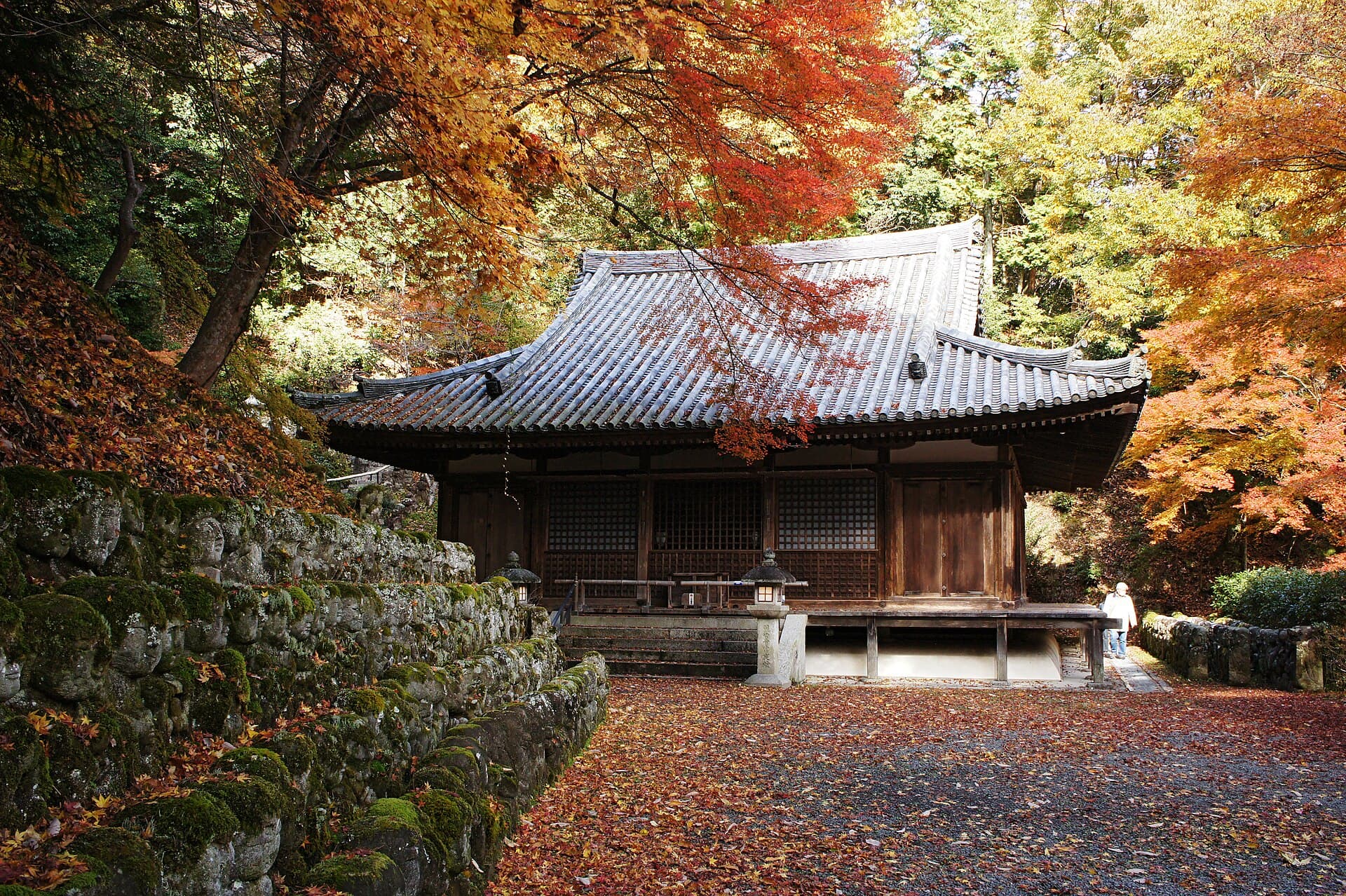
Otagi Nenbutsu-ji
愛宕念仏寺
Kyoto, Kansai. A hillside temple at the far northwest edge of Sagano, covered in roughly 1,200 whimsical rakan (arhat) statues carved by amateur pilgrims between 1981 and 1991, each with its own face — and every one furred in moss that is at its most vivid in the June rainy season. It sits a steep 20-minute climb beyond where Arashiyama's bamboo-grove crowds turn back, which is why they almost never reach it. Come in the rain and the whole slope goes emerald. Getting there: Kyoto Bus 62/72/94 to "Otagidera-mae", or a ~20-min uphill walk from Adashino Nenbutsu-ji through the old Toriimoto street (nearest rail: JR Saga-Arashiyama). Admission ¥1,000, open 9:00–16:00. Closed Wednesdays and Saturdays — check before you go.
02Niigatahidden gem
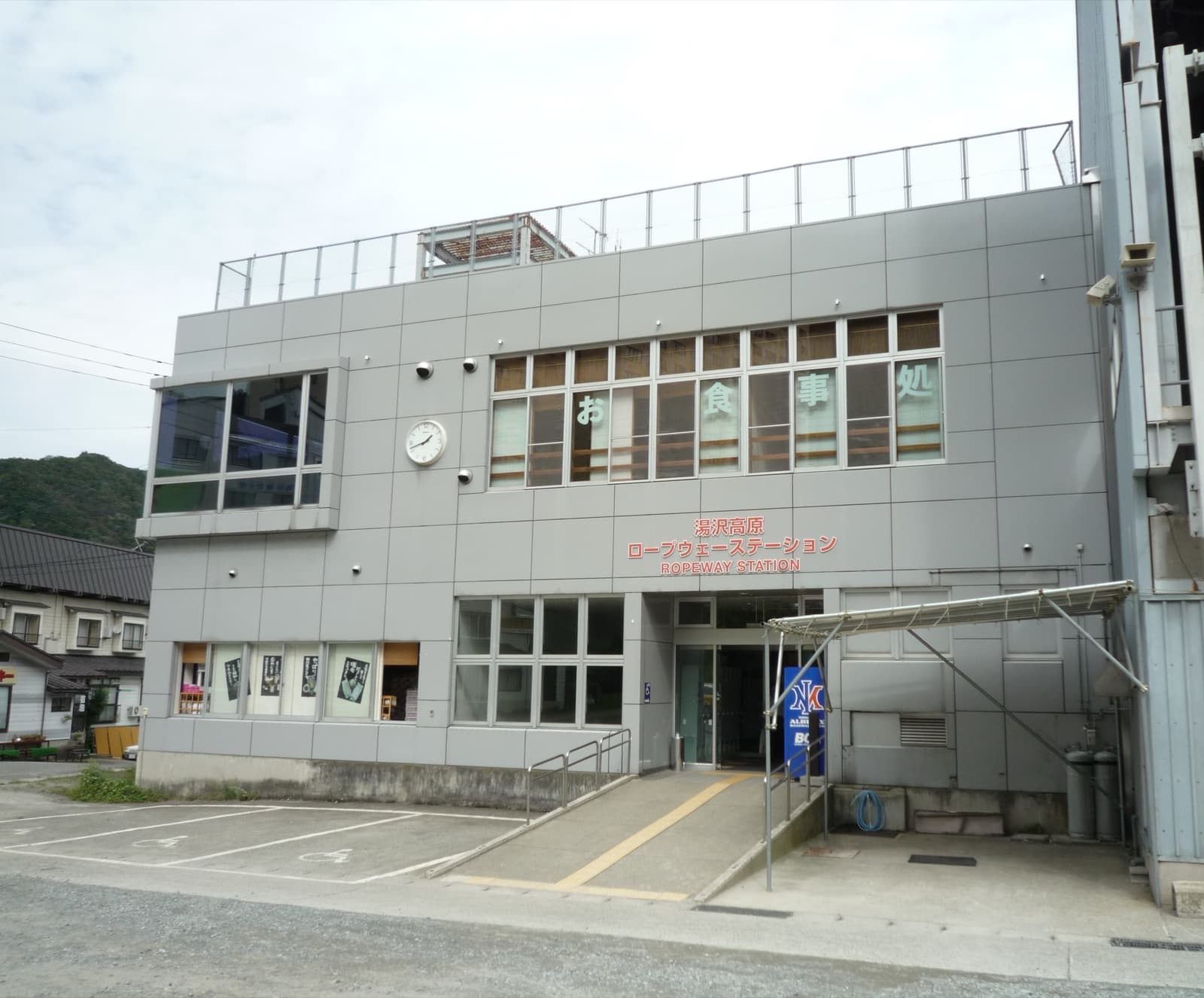
Yuzawa Kogen Ropeway & Alpine Botanical Garden
湯沢高原ロープウェイ(アルプの里)
Niigata, Chubu. The off-season argument in a single ride. Echigo-Yuzawa is nationally famous for one thing — winter skiing — and its green season is almost unknown to international visitors, despite the base station sitting an eight-minute walk from a Shinkansen platform. One of the world's largest gondolas (166 passengers, 1,300m) lifts you in seven minutes to a 1,000m plateau with a botanical garden of 200+ rare alpine species, an open-deck café and the Echigo mountains in front of you. The town below is the real setting of Kawabata's Snow Country. Getting there: Echigo-Yuzawa Station (Joetsu Shinkansen), 8-min walk from the west exit; free parking at the base. Adult round trip ¥3,500 (child ¥1,700), including the ropeway, Yamabiko Lift, Kumo Café deck and the Alp no Sato garden. Green season runs late May to mid-November, 8:40–16:40 (last ascent 16:20).
03Toyamahidden gem
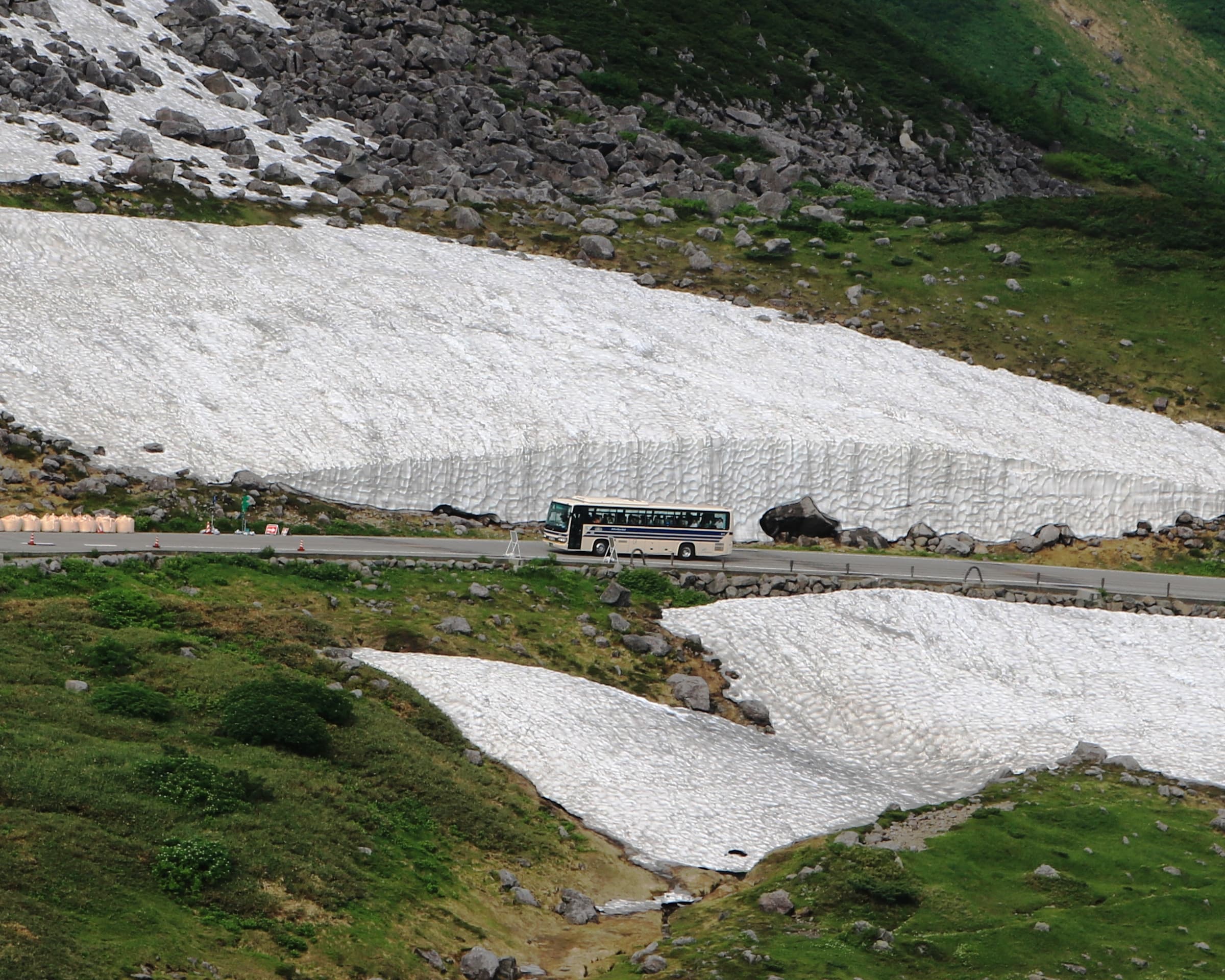
Murodo (Yuki-no-Otani Snow Corridor)
室堂・雪の大谷
Toyama, Chubu. Proof that June is not a lesser month, just a stranger one: at 2,450m, the high terminal of the Tateyama Kurobe Alpine Route is still walled in by snow. Snow-clearing crews carve a corridor through drifts of 7–20 metres, and the resulting 500m walking zone — the Yuki-no-Otani Snow Wall Walk — stays open from mid-April to late June. Green rice country in the morning, two-storey walls of snow by the afternoon.
Getting there: Tateyama Station (Toyama Chihō Railway) → Bijodaira by cable car (7 min) → Murodo by highland bus (50 min). The snow-wall walk itself is free; the Alpine Route transport fares are separate.
04Naganohidden gem
Weston Relief
ウェストン碑
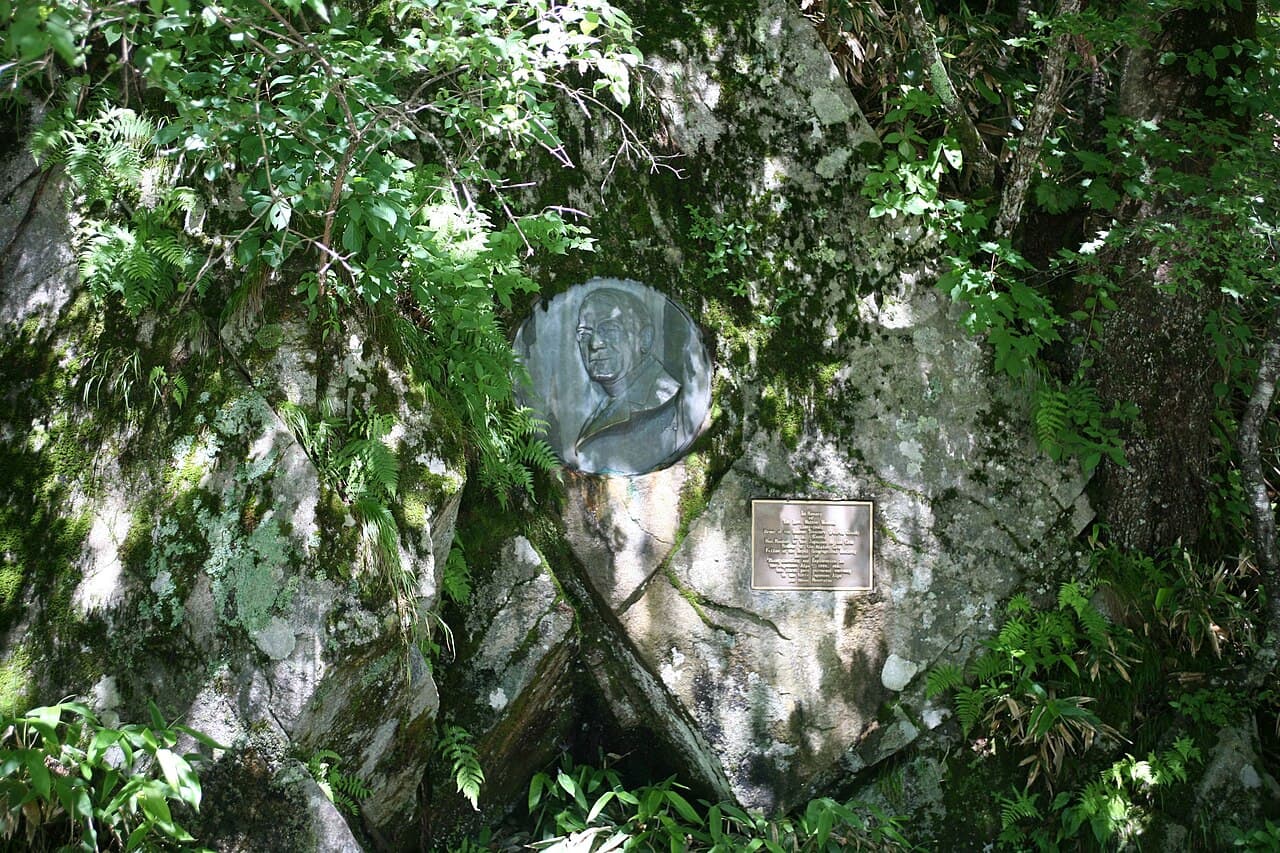
Nagano, Chubu. A bronze relief set into a riverside boulder near Tashiro Bridge in Kamikochi, honouring Walter Weston, the English missionary who popularised the Japanese Alps and helped found Japanese alpinism — and the site of a small festival held here each June. Almost everyone strides past on the way to Kappa Bridge without noticing they are walking through the birthplace of Japanese mountaineering. In tsuyu the valley runs with cloud and the crowds are thin: the right weather for a quiet, serious little plaque. Getting there: ~15-min walk from Kamikochi Bus Terminal toward Tashiro Bridge (south bank). The valley is car-free — bus or taxi from Sawando or Hirayu. Free, open-air, no admission.
February
05Kyoto
Kitano Tenmangu
北野天満宮
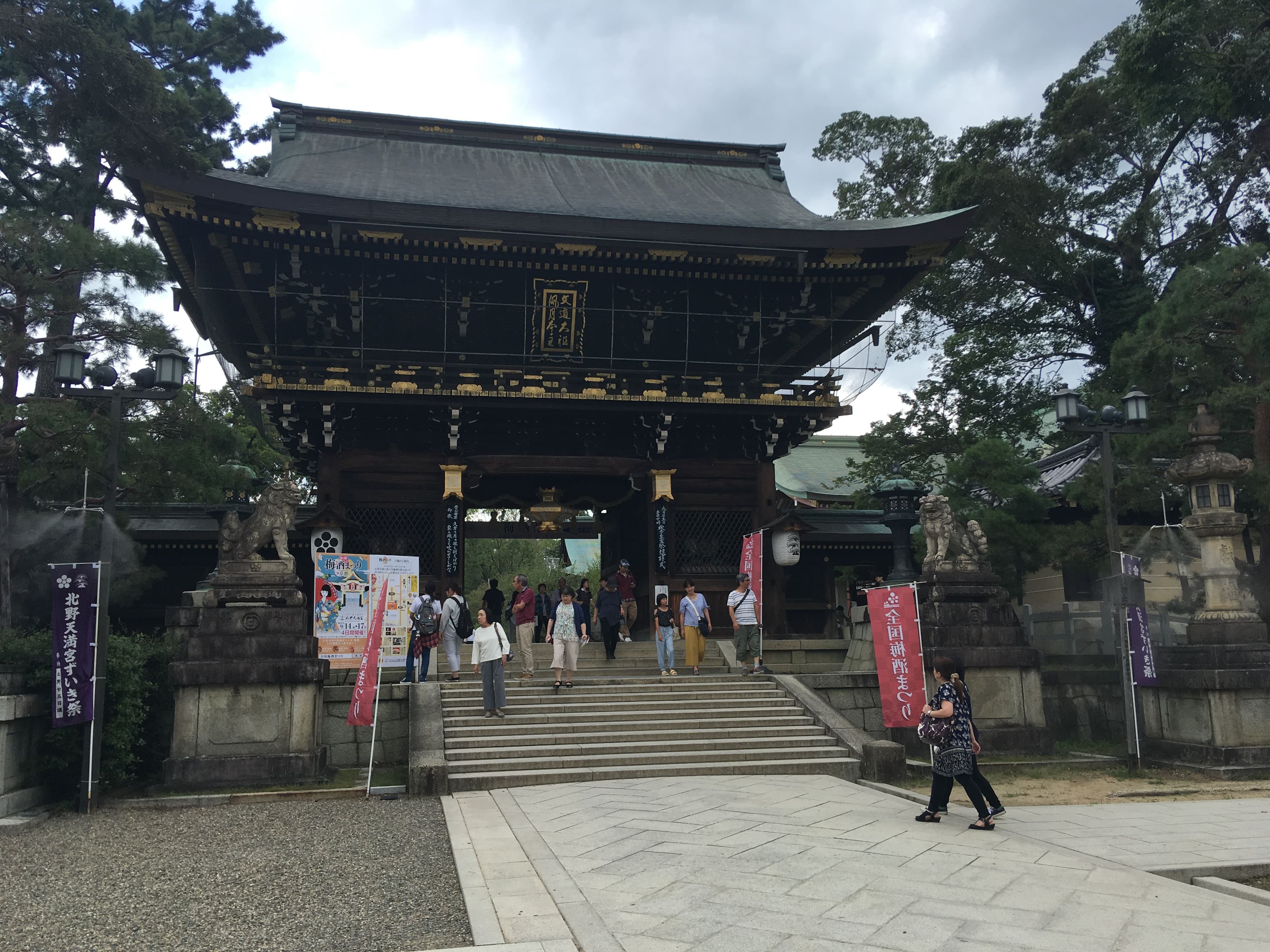
Kyoto, Kansai. The plum argument in its strongest form. Founded in 947 to enshrine the scholar Sugawara no Michizane — now the god of learning, which is why students queue here before exams — Kitano Tenmangu holds roughly 2,000 plum trees that bloom in February, Michizane's favourite flower. It is one of the most historically important shrines in the city, and first-timers skip it wholesale for Kiyomizu-dera, Fushimi Inari and Kinkaku-ji. Come in February for scent, colour and a genuine local pilgrimage site, well before the cherry-blossom scrum begins. Getting there: City Bus 50 or 101 from Kyoto Station (~30 min) to the Kitano Tenmangu-mae stop. Open 7:00–17:00. The Momijien maple garden is a separate paid section (an autumn draw).
Ainokura Village
Toyama, Chubu. The highest gassho-zukuri hamlet in Japan: steep thatched roofs pitched to shed snow, sitting in a fold of the mountains, and in winter buried under a thick blanket of it. Everyone goes to Shirakawa-go; Ainokura is the same architecture, the same UNESCO listing, and a fraction of the people. February is when the roofs are doing the job they were designed for. Getting there: Bus from Toyama City, about 1.5 hours (roughly 2h 42m by car from Nagoya). Walking the village is free; there is a ¥1,000-per-car parking conservation fee for vehicles only. Village facilities run roughly 8:30–17:00.
06Akita
Yokote Castle & Yokote Park Observation Deck
横手城・横手公園
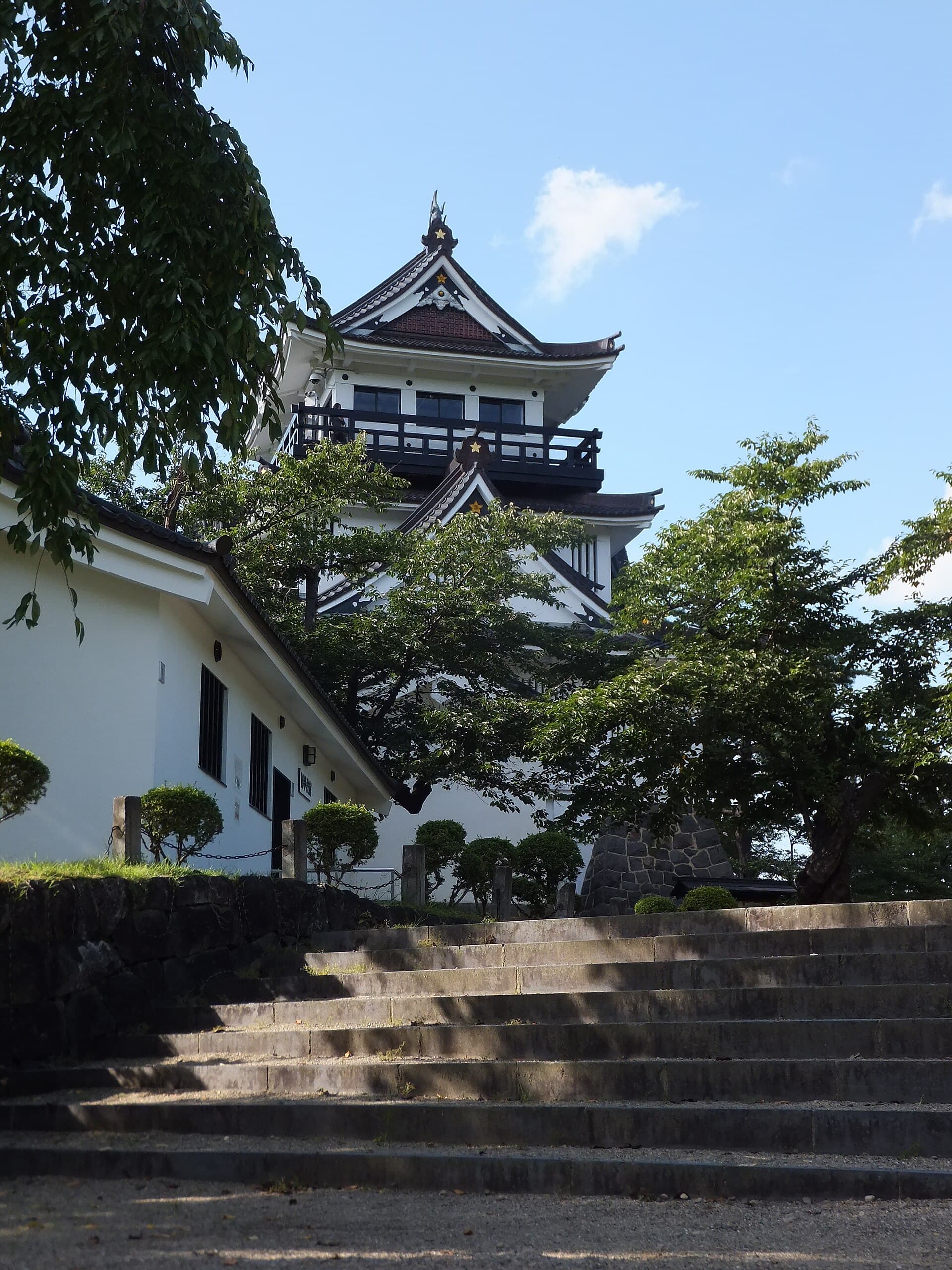
Akita, Tohoku. Yokote's hilltop park hosts part of the famed Kamakura snow-hut festival each February — the reason to be here — but the castle itself is the thing nobody realises is open. A 1965 replica keep stands on the original site, now a small local history museum with a fourth-floor observation deck over the snowbound Yokote Basin. Even people who come for the festival rarely climb it. Getting there: JR Yokote Station, ~20 min walk uphill through Yokote Park. Open 9:00–16:30.
07Hokkaidohidden gem
Lake Nukabira
糠平湖
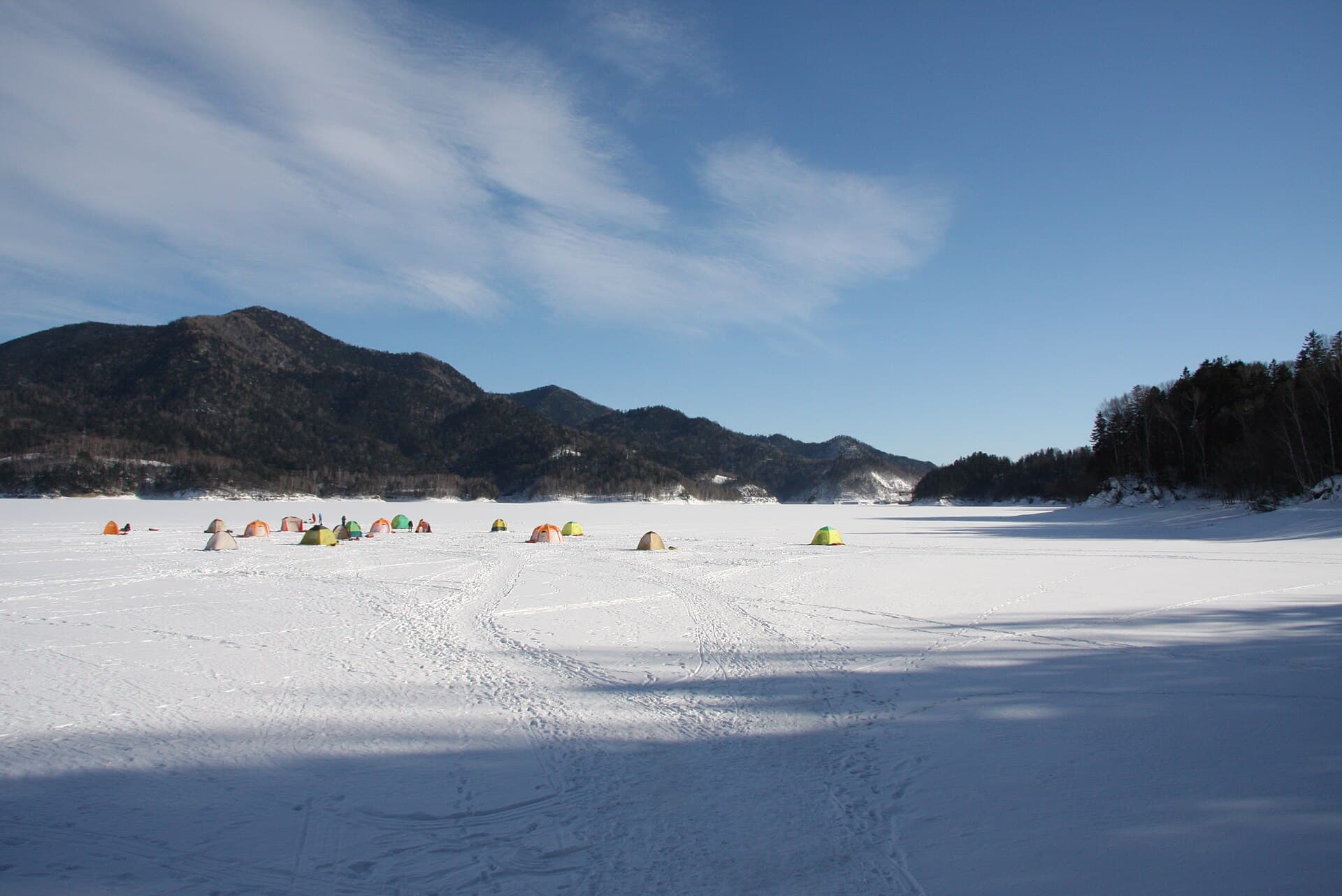
Hokkaido. A reservoir in the Taisetsuzan foothills near Kamishihoro, and one of the few places whose best season falls squarely inside the off-season window: January–February, for "mushroom ice" and ice fishing. Submerged tree stumps push up through the frozen surface and grow caps of ice on top; smelt fishing happens on the ice around them. Most Hokkaido itineraries drive past to Daisetsuzan and Sounkyo further north. Getting there: No rail. Drive from Obihiro or Kamishihoro along Route 273 (~1.5 hrs from Obihiro by bus or car). Guided ice-fishing and mushroom-ice tours leave from the Nukabira Genryukyo Onsen village. Free to visit the shoreline and viewpoints.
08Hokkaido
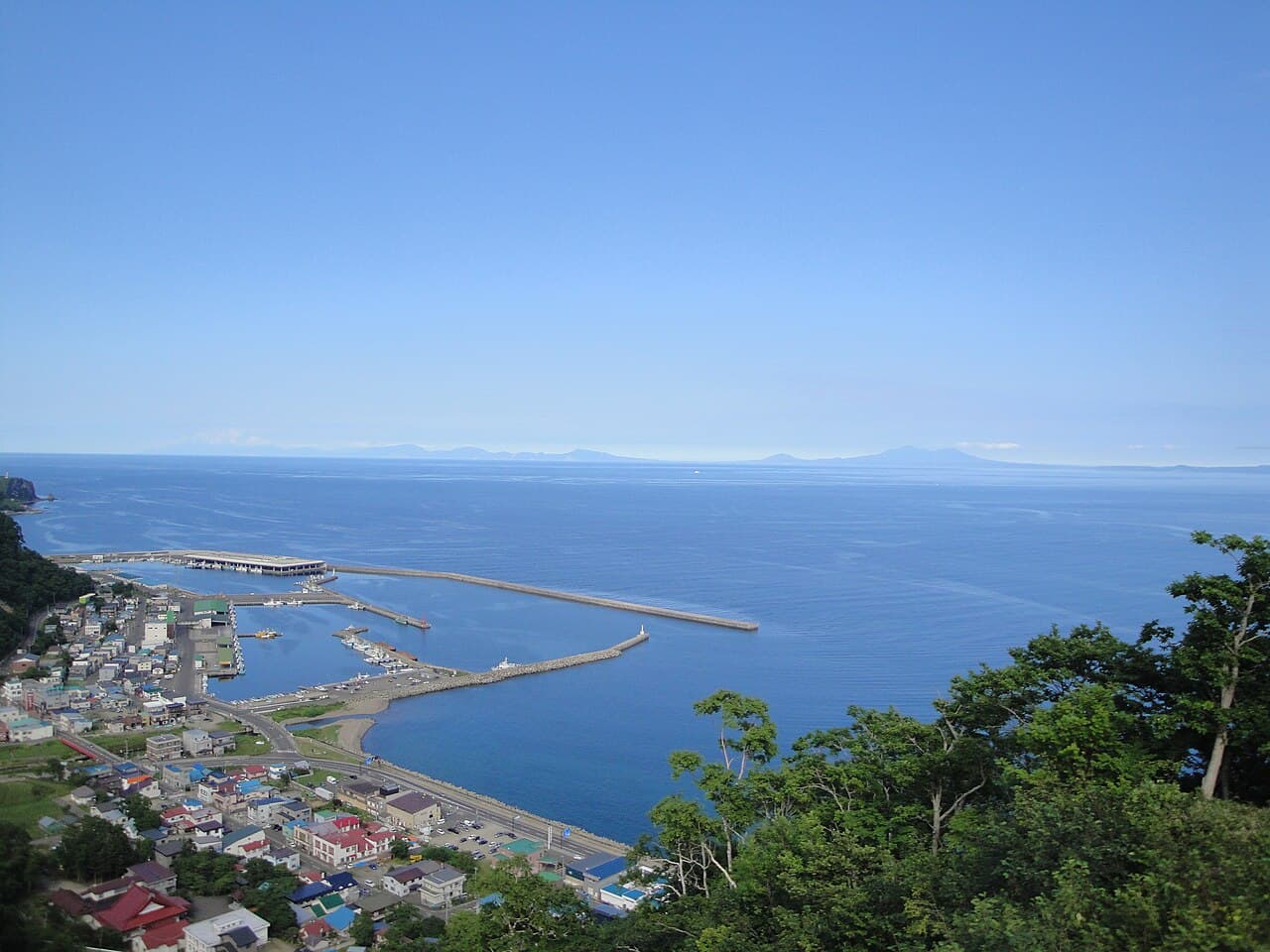
Rausu-Kunashiri Observatory
羅臼国後展望塔
Hokkaido. On the wild eastern side of the Shiretoko peninsula, a hill-top tower above the fishing town of Rausu looks across the Nemuro Strait to Russian-administered Kunashiri Island — and, in winter, to the arriving drift ice. The Rausu side sees a fraction of Utoro's traffic, and the view over a disputed island with pack ice sliding in below is quietly extraordinary. Small exhibits inside cover the Northern Territories. Getting there: About 5 min by car up the hill from central Rausu, off National Route 335. Free. The building runs roughly 9:00–17:00 seasonally and is often closed in deep winter — but the outdoor viewpoint is always open, which is the part you came for.
Practical: how to actually do it
June. Waterproof shoes with grip matter more than an umbrella — wet stone and mossy steps are the real hazard. The hour after rain stops is the best light of the year; plan around it. Check closing days hard: Otagi Nenbutsu-ji is shut Wednesdays and Saturdays. And mind the two hard June deadlines above — the Murodo snow corridor closes in late June, and Yuzawa's green season only opens in late May.
February. Layers, proper boots, and a plan B for anything with a roof: winter is when buildings shorten hours or close outright (the Rausu observatory's indoor exhibits often do; its viewpoint doesn't). Snow-country access is car- and bus-dependent — Lake Nukabira has no rail at all — so build slack into the day. Book the festival dates early even in a quiet month: the Yokote Kamakura is the one weekend when the beds do fill.
Both. Flights and rooms are cheapest, and the famous places are legible again. You are not seeing a worse Japan. You are seeing the one the postcards were painted from, before everyone else showed up.
Keep exploring
- Rainy-Season Japan: Hydrangea Temples & Mossy Gardens → — the full June deep dive: ajisai temples and moss gardens.
- Japan in Winter Beyond Skiing → — drift ice, cranes and ice villages, no lift ticket required.
- Tohoku's Winter Festivals → — snow, fire and lantern nights in the deep north.
- Into the Japan Alps: Nagano, Gifu & Toyama → — the mountain country behind Murodo and Kamikochi.
Ready to plan? Build your own hidden-Japan itinerary → — our trip generator turns any of these spots into a day-by-day route.