Chubu8 min read
The Nakasendo on Foot: Walking the Old Post Road Through the Kiso Valley
Walk the Nakasendo trail through the Kiso Valley on foot — Narai, the Fukushima checkpoint, Tsumago, the Magome-toge pass and the 8 km cobbled path between the post towns.
Best time: April–November
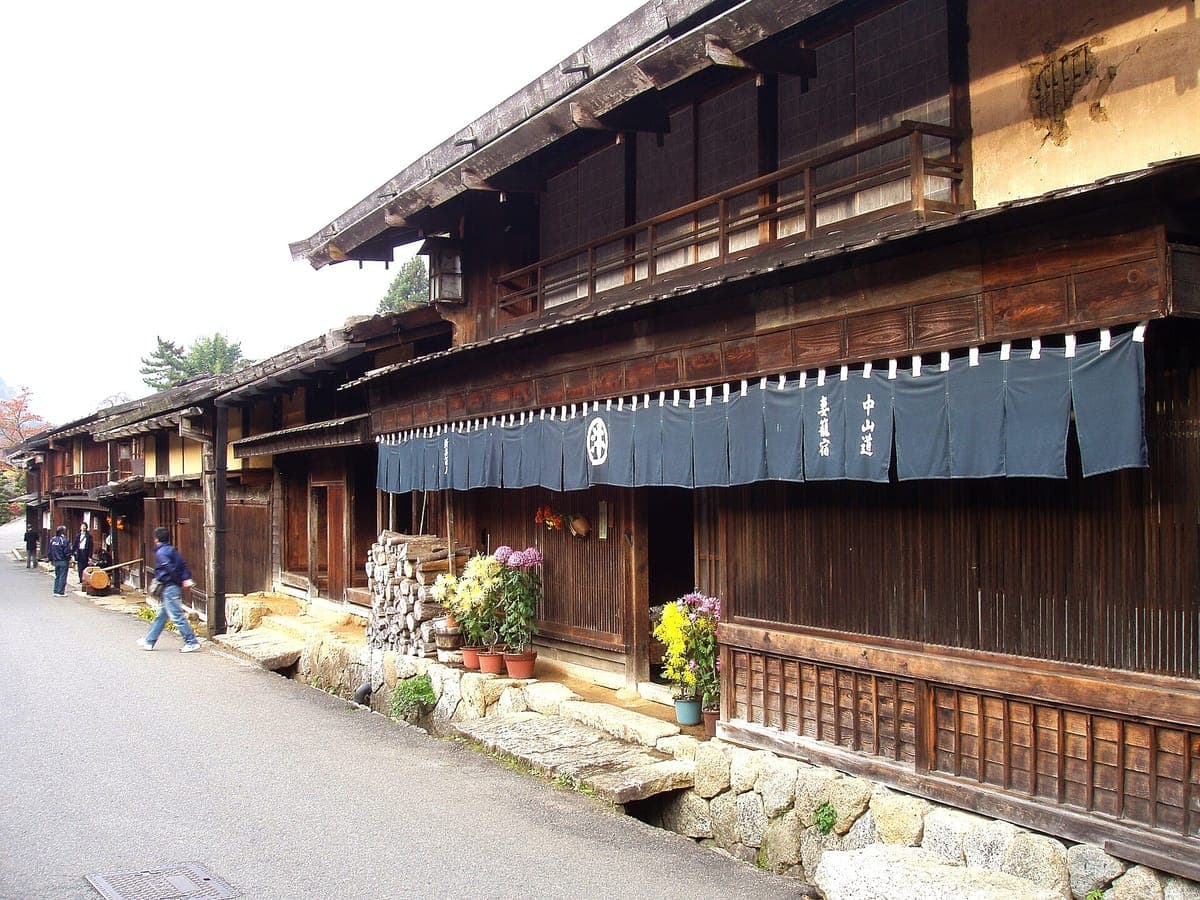
Two highways once linked Edo to Kyoto. One ran along the coast; the other, the Nakasendo, went the hard way — inland, over the mountains, through the cedar-dark gorge of the Kiso Valley. Daimyo processions, pilgrims and couriers all walked it, resting at post stations spaced roughly a day's march apart. Most of the road is asphalt now. But in the Kiso, whole stretches survive as they were: stone-paved paths climbing through forest, post towns where the power lines have been buried and modern signage banned, a checkpoint where officials once searched travelers for weapons and for women fleeing the capital.
Walking the Nakasendo trail through the Kiso Valley is the rare Japanese experience that improves the slower you take it. Almost everyone does the famous Magome–Tsumago section as a half-day; almost nobody walks the quieter post towns above it. Below are ten stops, ordered as a journey — from the old road's Kanto foothills, down the Kiso, over the pass into Gifu.
01Gunmahidden gem
Annaka Old Nakasendo
安中宿旧中山道
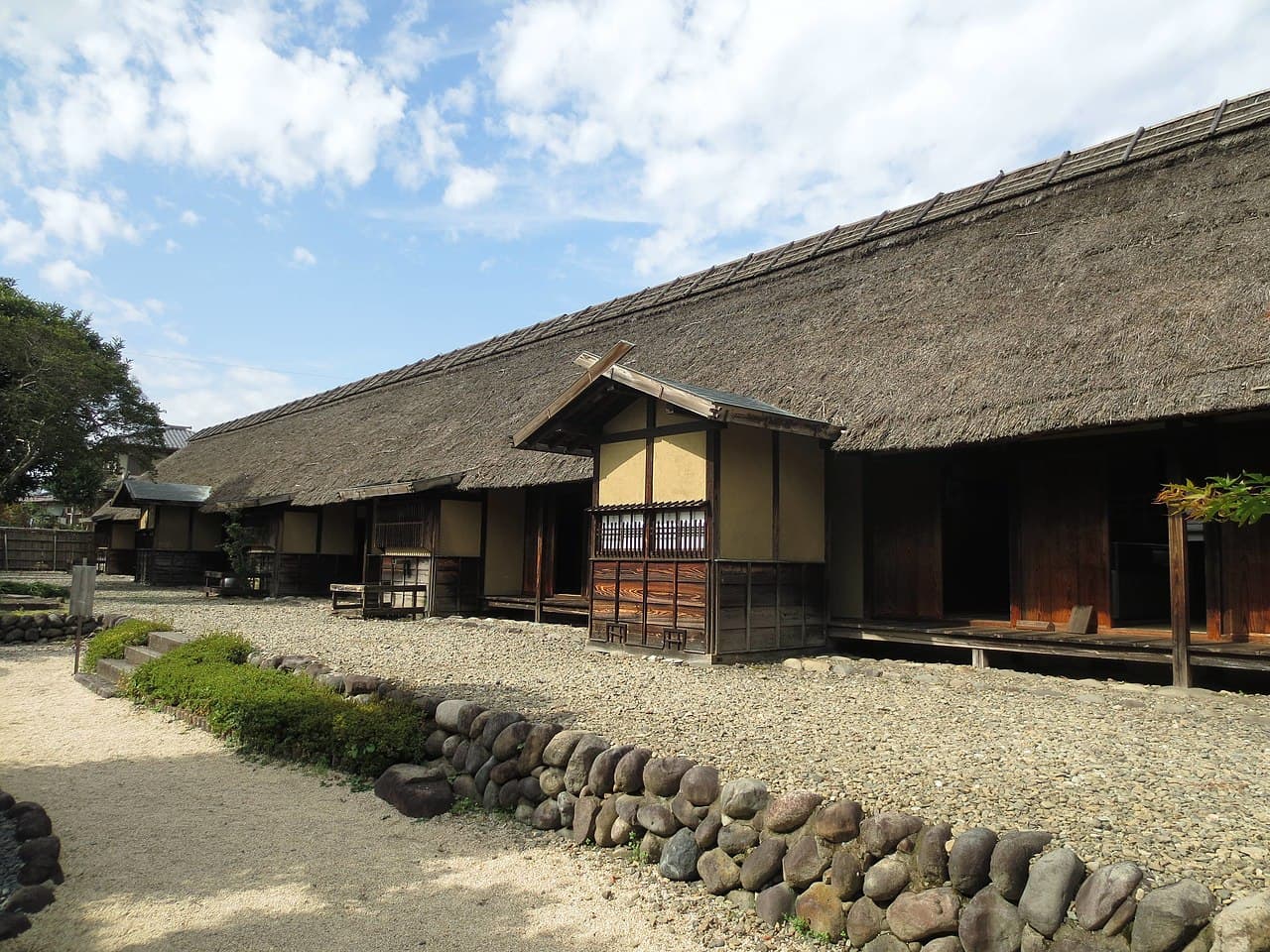
Long before the road climbs into the Kiso, it crosses the plains of Gunma — and in Annaka the old route still shows its bones. Post-town remnants, small temples and quiet streets trace the line of the Nakasendo through an ordinary working town, with none of the preservation-district polish of the famous Kiso villages. It is subtle rather than spectacular, and rewarding precisely for that: this is the highway as it mostly exists today, half-erased, hiding in plain sight. Tourists skip it because they have already chosen their Nakasendo town, and it is far to the west.
Getting there: Take the JR Shinetsu Line to Annaka Station, then walk (about 20 minutes) or take a taxi to the old route. Free, open-access public streets, walkable year-round.
02Nagano
Narai-juku
奈良井宿
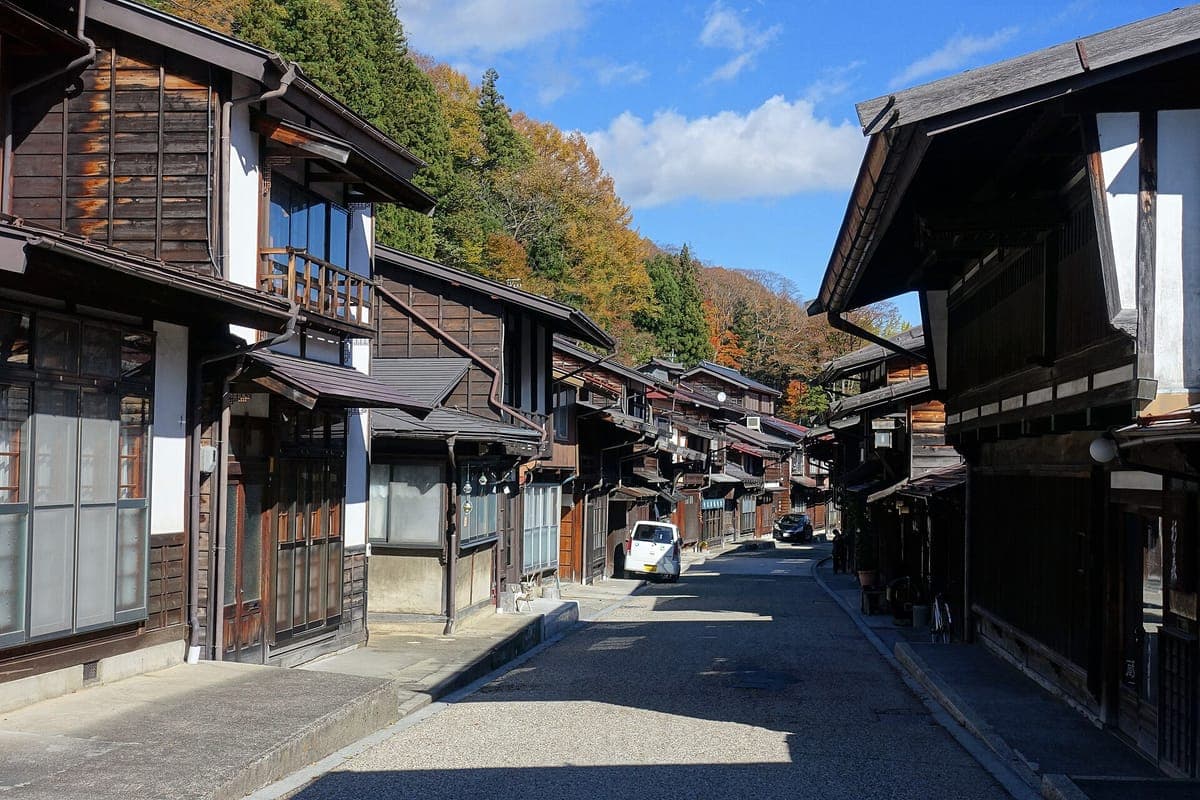
Deep in the Kiso, Narai is the post town everyone photographs and few people walk properly. Its long street of dark wooden machiya — deep eaves, latticed fronts, second storeys leaning over the road — is one of the best-preserved Edo streetscapes in the country, and still a functioning village of craft shops and kitchens rather than a museum set. Travelers pointed at Takayama or Matsumoto sail past it entirely, which is how a town this photogenic stays this calm on a weekday morning. Start here, and the valley unfolds southward ahead of you.
Getting there: Take the train from Nagoya to Narai Station on the JR Chuo Line, then walk about 6 minutes into the town. The streets are open 24 hours. Best in autumn.
03Naganohidden gem
Fukushima Checkpoint (Kiso-Fukushima)
福島関所跡
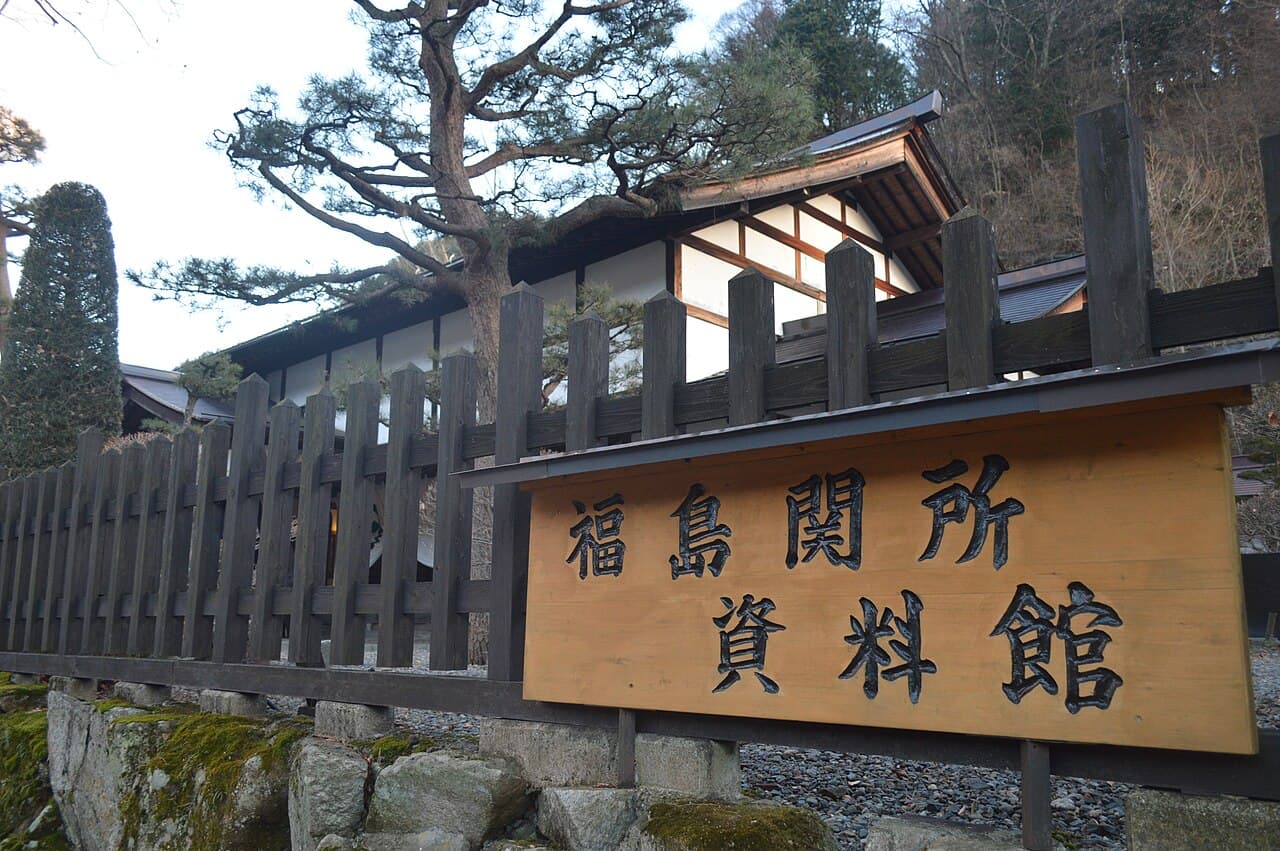
Here is what the Nakasendo actually was: a controlled road. Fukushima was one of the four great checkpoints — sekisho — of Edo-period Japan, where travelers on the Kiso Road were inspected for weapons and for the covert movement of women. A reconstructed barrier building and a small museum stand on the original ground above the Kiso River, and the surrounding post town preserves the atmospheric Kami-no-dan old streets. Kiso-Fukushima is bypassed by visitors racing to photogenic Tsumago and Narai, which leaves one of the highway's most historically important sites almost to yourself.
Getting there: About a 15-minute walk from Kiso-Fukushima Station on the JR Chuo Line, in Kiso-machi, near the river. Open 9:00–16:30 daily. Admission ¥300 adult (¥550 combined with the Yamamura residence). Year-round.
04Nagano
Nezame-no-Toko Gorge
寝覚の床
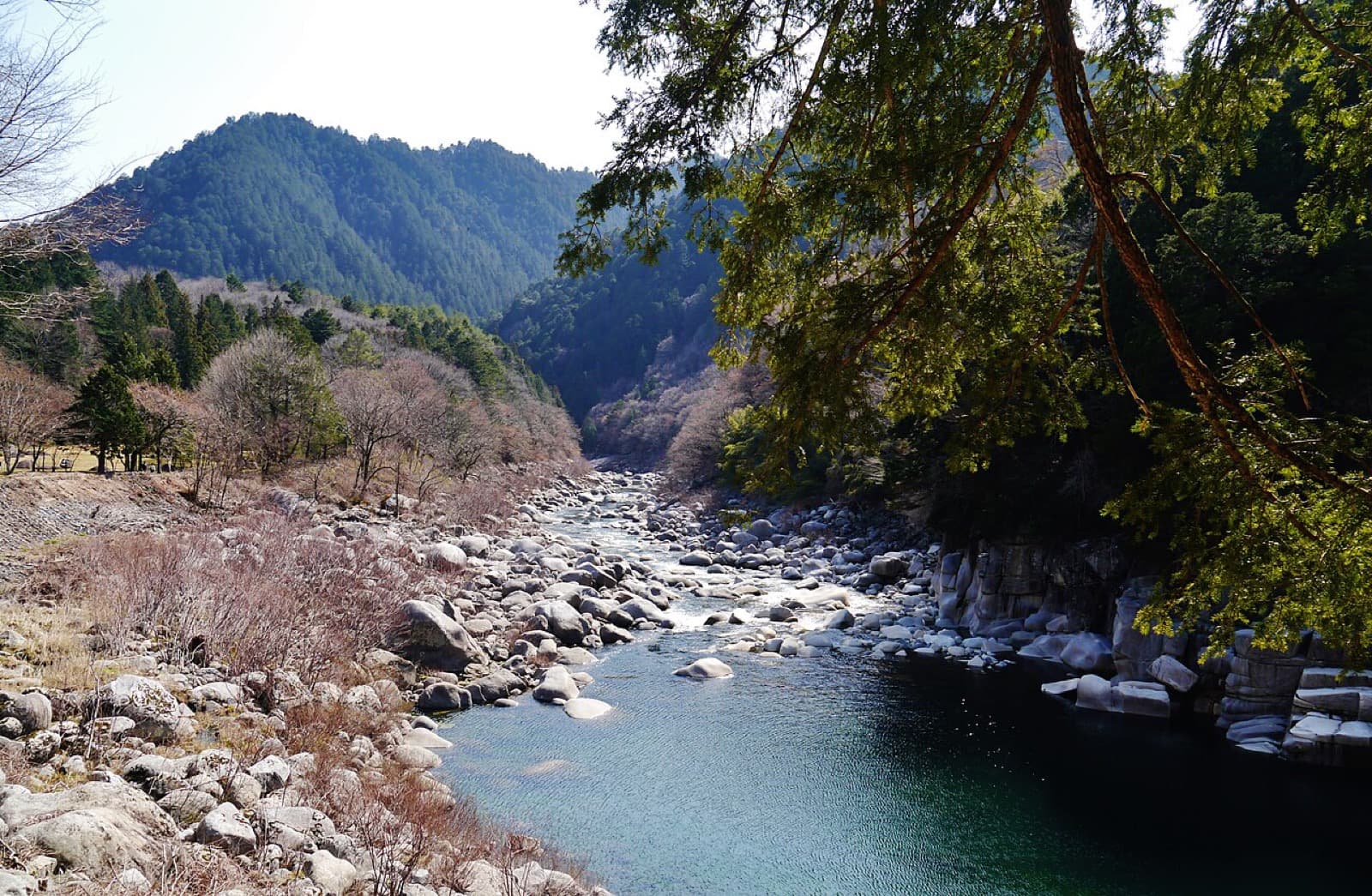
A few stations further down the valley at Agematsu, the Kiso River has scoured its granite bed into a field of pale, angular blocks — a nationally designated Place of Scenic Beauty, and the setting the Urashima Taro legend attaches itself to. The best view of the riverbed is from the overlook by Rinsen-ji temple, and the strangeness of the rock is worth the short detour off the road. Magome–Tsumago day-trippers, in and out on a bus, never come near it.
Getting there: In Agematsu, on the Kiso corridor between Kiso-Fukushima and Suhara. Open 24 hours; distant views are free, while the temple-grounds access to the best riverbed viewpoint is ¥200 adult (the alternative Nezame-tei viewpoint is ¥300).
05Naganohidden gem
Suhara-juku
須原宿
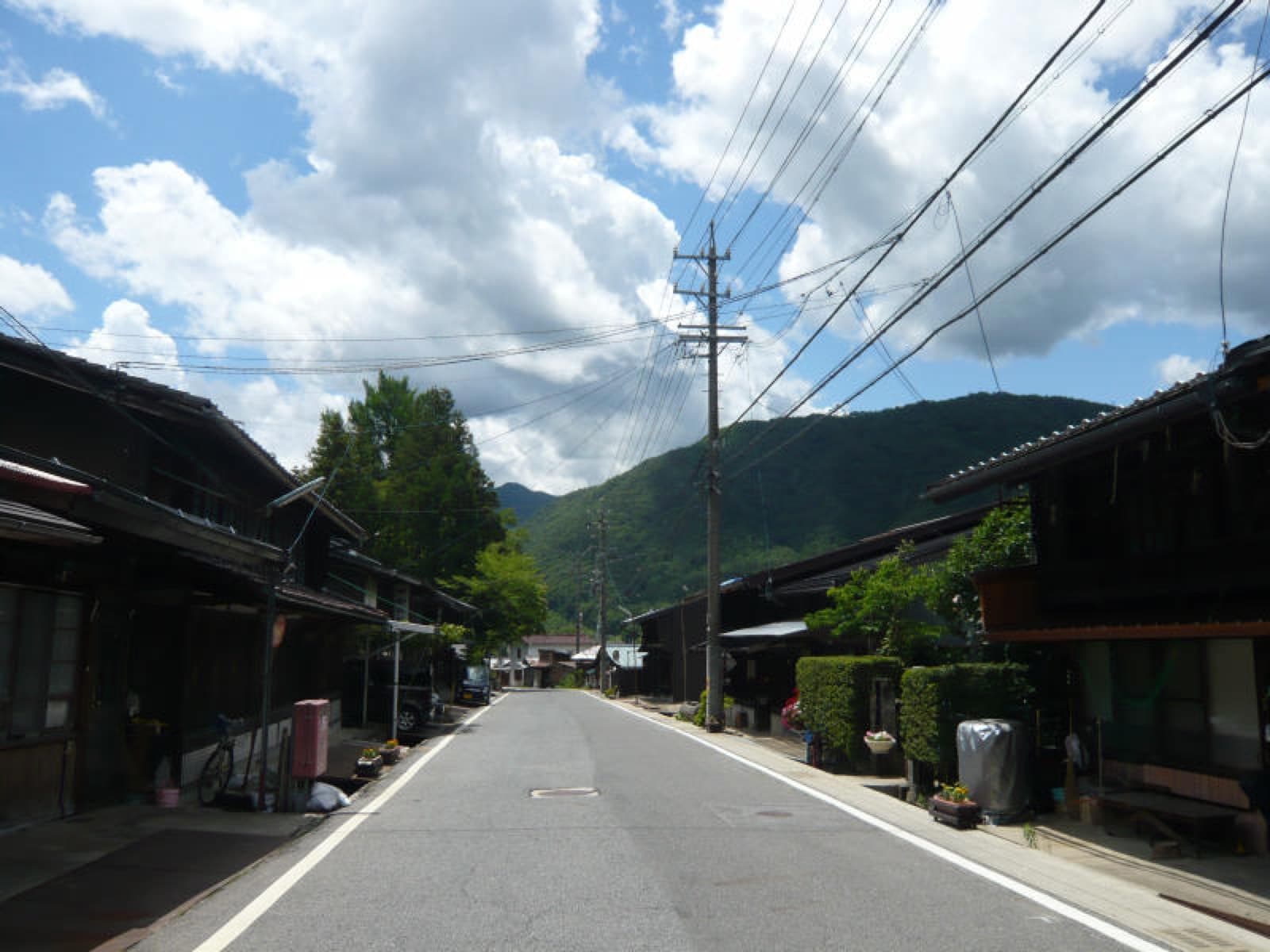
The 39th station of the Nakasendo, and historically the first of the Kiso post towns — until a flood in 1717 forced the whole settlement to be relocated. That single fact tells you a lot about walking here: this valley moves, and the road has been rebuilt around it. Suhara today is a quiet open-air post town with none of Tsumago's crowds and none of its curation, overshadowed by the fame of the two villages further south. For anyone coming down the valley on foot, it is exactly the sort of place a day's march used to end.
Getting there: On the old Kiso Road between Agematsu and Nagiso. Free to walk through — no admission, open 24 hours.
06Gifuhidden gem
Tsumago
馬籠・妻籠ハイキングコース
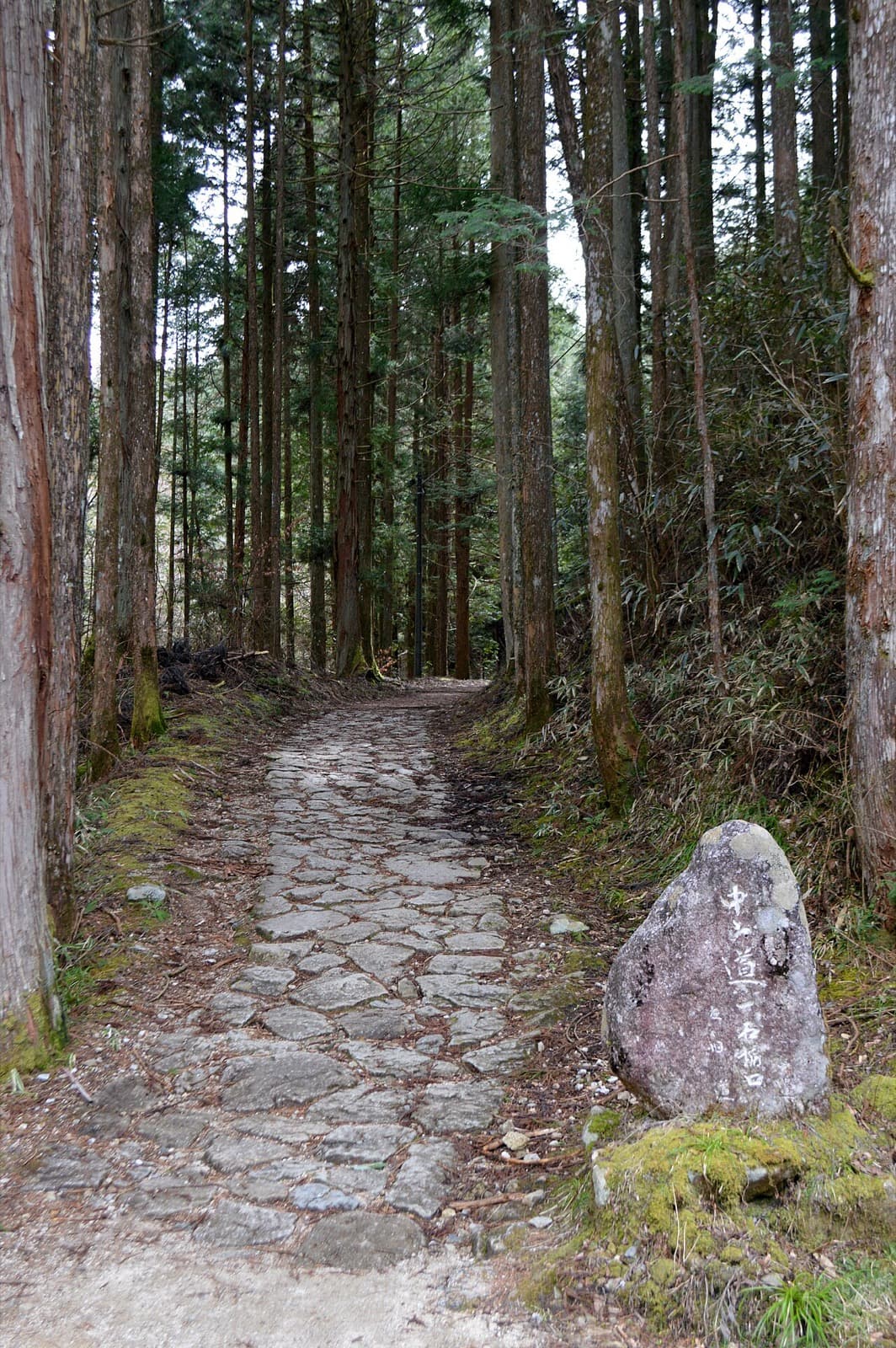
Tsumago is the reason the Nakasendo was saved. When postwar Japan was busy paving itself, this village fought to preserve its Edo townscape: overhead wires are buried, modern signage is banned, and the street reads much as a traveler in 1850 would have seen it. It is in every guidebook — and yet very few foreign visitors do the thing that earns Tsumago its quiet, which is to arrive on foot along the 8 km cobbled trail from Magome, ideally at dawn, before the coaches unload. Stay overnight and the village empties in the evening and becomes, briefly, yours.
Getting there: In Nagiso, at the southern end of the Kiso Valley; reachable on foot along the Nakasendo trail from Magome, or by the local Magome–Tsumago bus. The streets are open 24 hours. Best in spring and autumn.
07Naganohidden gem
O-tsumago
大妻籠
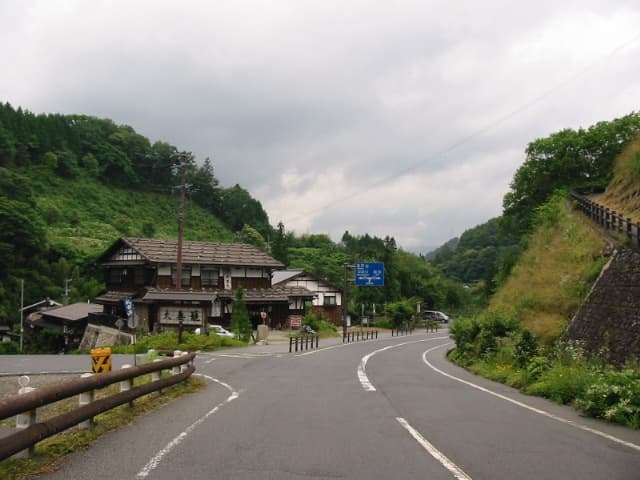
A kilometer south of Tsumago, the road passes through a hamlet most walkers cross without slowing down. O-tsumago was an ai-no-shuku — an unofficial rest settlement between the licensed post towns of Tsumago and Magome — and it is still just a handful of weathered dark-timbered minshuku and farmhouses lining the old road, untidied for visitors. If you want to sleep on the Nakasendo rather than beside it, this is where to book a bed.
Getting there: On the Nakasendo trail about 1 km south of Tsumago — roughly a 20–30 minute walk — or a stop on the Magome–Tsumago local bus. Free to walk through, open at all hours. Best in autumn.
08Gifuhidden gem
Magome–Tsumago Hiking Trail
馬籠・妻籠ハイキングコース
This is the walk itself: an 8 km, roughly three-hour preserved stretch of the Edo-era footpath linking the two post towns, and the best-known section of surviving Nakasendo anywhere. It climbs out of one valley, crosses a forested pass, and drops into the other — a real trail rather than a promenade, but a gentle one, signposted and walkable by anyone comfortable on their feet for an afternoon. Treat it not as transport between two villages but as the destination in its own right: it is the reason people come, and it stands alone as a half-day experience.
Getting there: The trail runs directly between Magome and Tsumago and can be walked in either direction; buses connect the two ends if you would rather walk one way. Free, open dawn to dusk year-round. (The optional Toson memorial museum in Magome is about ¥500.)
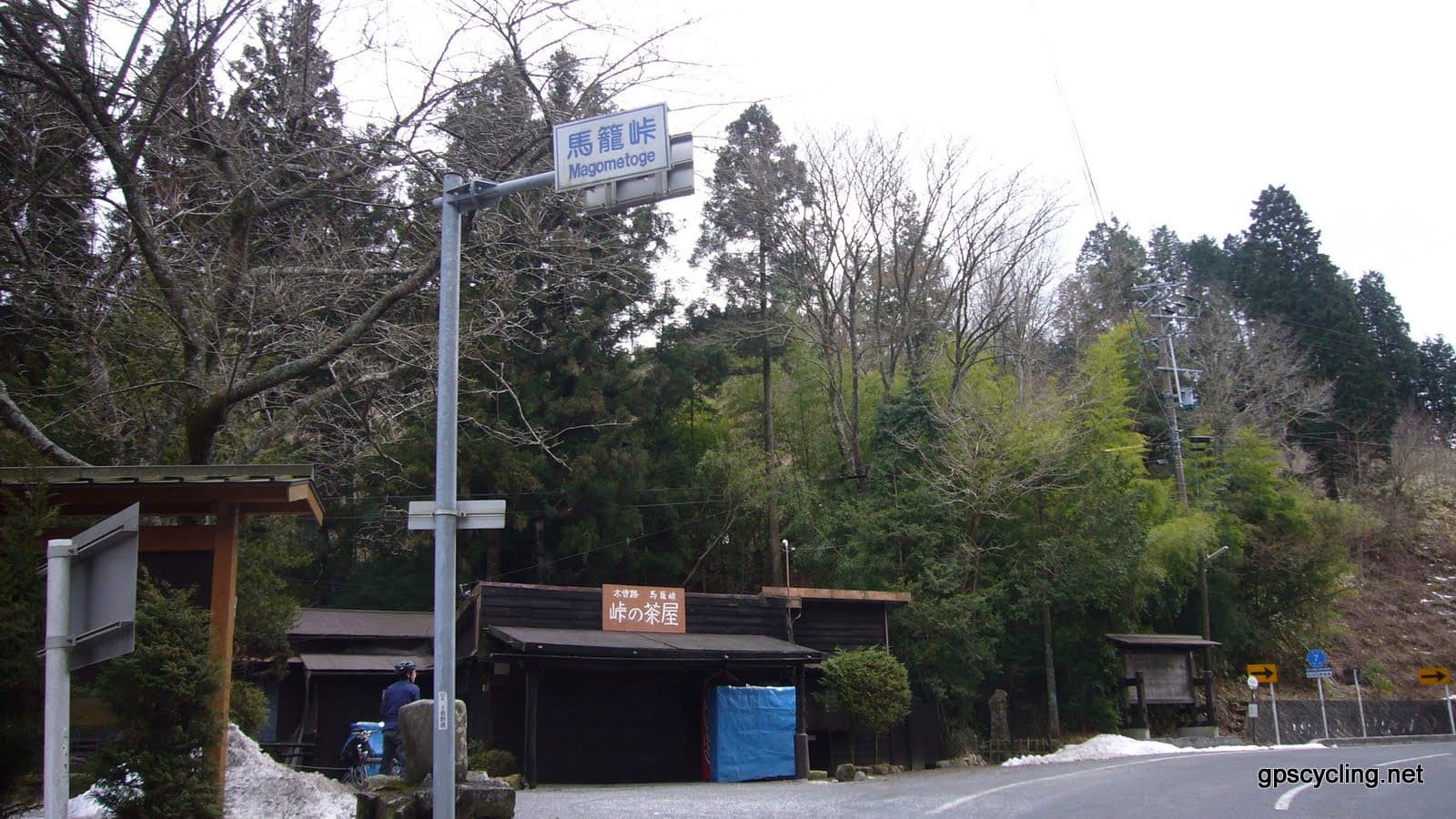
09Nagano
Magome-toge Pass
馬籠峠
At 801 meters, Magome-toge is the high point of the Nakasendo and the line where Nagano hands over to Gifu. A traditional tateba-chaya — a rest teahouse — still stands at the summit, serving free hot tea to walkers exactly as it did to Edo-period travelers: the sort of continuity that separates this route from a heritage attraction. From the pass the path drops away through cedar forest into the Kiso Valley. Most day-trippers take the bus between the two towns and never set foot on the saddle that gave the road its reputation.
Getting there: On foot along the Magome–Tsumago Nakasendo trail — about 2.2 km uphill from Magome, roughly 60–90 minutes. The local Magome–Tsumago bus also stops at the Magome-toge bus stop at the pass. Best in autumn.
10Gifuhidden gem
Magome
馬籠・妻籠ハイキングコース
The trail's Gifu end, and a different animal from Tsumago: Magome climbs a hillside, so its stone-paved main street is a staircase of restored Edo buildings with the mountains opening out behind. The views are long, and — sitting at the foot of the pass — it is the natural place to begin a northbound walk or collapse at the end of a southbound one. Travelers aiming for Takayama and Shirakawa-go overlook it, which is their loss.
Getting there: Take a bus from Nakatsugawa Station, itself reachable by train from Nagoya. The village streets are open 24 hours. Best in spring or autumn.
How to walk it
Three honest options. The half-day: walk the 8 km Magome–Tsumago trail (about three hours) in either direction, with buses at each end — this is what most people do and it is genuinely excellent. The full day: walk from Magome over Magome-toge to Tsumago, continue the extra kilometer to O-tsumago, and sleep in a minshuku on the old road. The slow week: ride the JR Chuo Line down the valley and walk out from each post town in turn — Narai, then Kiso-Fukushima and its checkpoint, then Agematsu for the gorge, then Suhara, then Nagiso for Tsumago and Magome. The rail line shadows the highway almost the whole way, so you can walk a section and take the train back without ever needing a car; our Japan by Local Train guide covers the wider slow-rail approach.
Pick the direction that suits your knees: from Magome it is 2.2 km uphill to the pass, then a descent. Start early — the towns are quiet before ten and after four, and Tsumago in particular transforms once the day buses leave.
When to go
April to November is the workable window. The trail is open year-round, but the Kiso is snow country and the pass is unforgiving in midwinter. Autumn is the sweet spot: Narai, O-tsumago and Magome-toge are all at their best under koyo, and the forest on the trail is exactly the kind of foliage the tour buses miss — see Autumn Leaves Off the Beaten Path for the rest of the season. Spring works too, particularly for Tsumago and Magome. Whenever you come, go on a weekday, and time the post towns for early morning or evening rather than midday.
Related guides
- Into the Japan Alps: Nagano, Gifu & Toyama — the wider highland region the Kiso Valley sits inside.
- Japan's Castle Towns Nobody Visits — more preserved Edo streetscapes, minus the crowds.
- Japan by Local Train — the JR Chuo Line shadows the Nakasendo the whole way down.
- Autumn Leaves Off the Beaten Path — for the koyo season that sets the Kiso alight.
Ready to plan? Build your own hidden-Japan itinerary → — our trip generator turns any of these spots into a day-by-day route.