Multi6 min read
Japan by Local Train: Scenic Slow Lines & Country Stations
A guide to scenic local train lines in Japan for slow travel — mountain switchbacks, lakeside railways, vintage trams and country stations most tourists never ride.
Best time: Year-round (autumn/winter best)
Everyone remembers their first bullet-train run — 300 km/h, Mount Fuji smeared past the window in ninety seconds. But the Japan that stays with you is usually seen at 40 km/h, from a two-car local rattling up a valley or clanking down a tramway between old shopfronts. This is a guide to the country's best scenic local train lines for slow travel in Japan: mountain switchback railways, a lakeshore line you can bring a bicycle onto, a thatched-roof country station with a cat for a stationmaster, and city streetcars that are museums on wheels. Each stop below is a real destination in our database that genuinely hinges on the ride to reach it — the train is half the reason to go. Pack a bento, buy the single ticket rather than the reserved seat, and let the timetable, not the schedule, set the pace. Every one of these is walkable from a station or tram stop, so you never need a car.
01Tokyo
Chinzanso Garden — the Tokyo Sakura Tram
椿山荘庭園
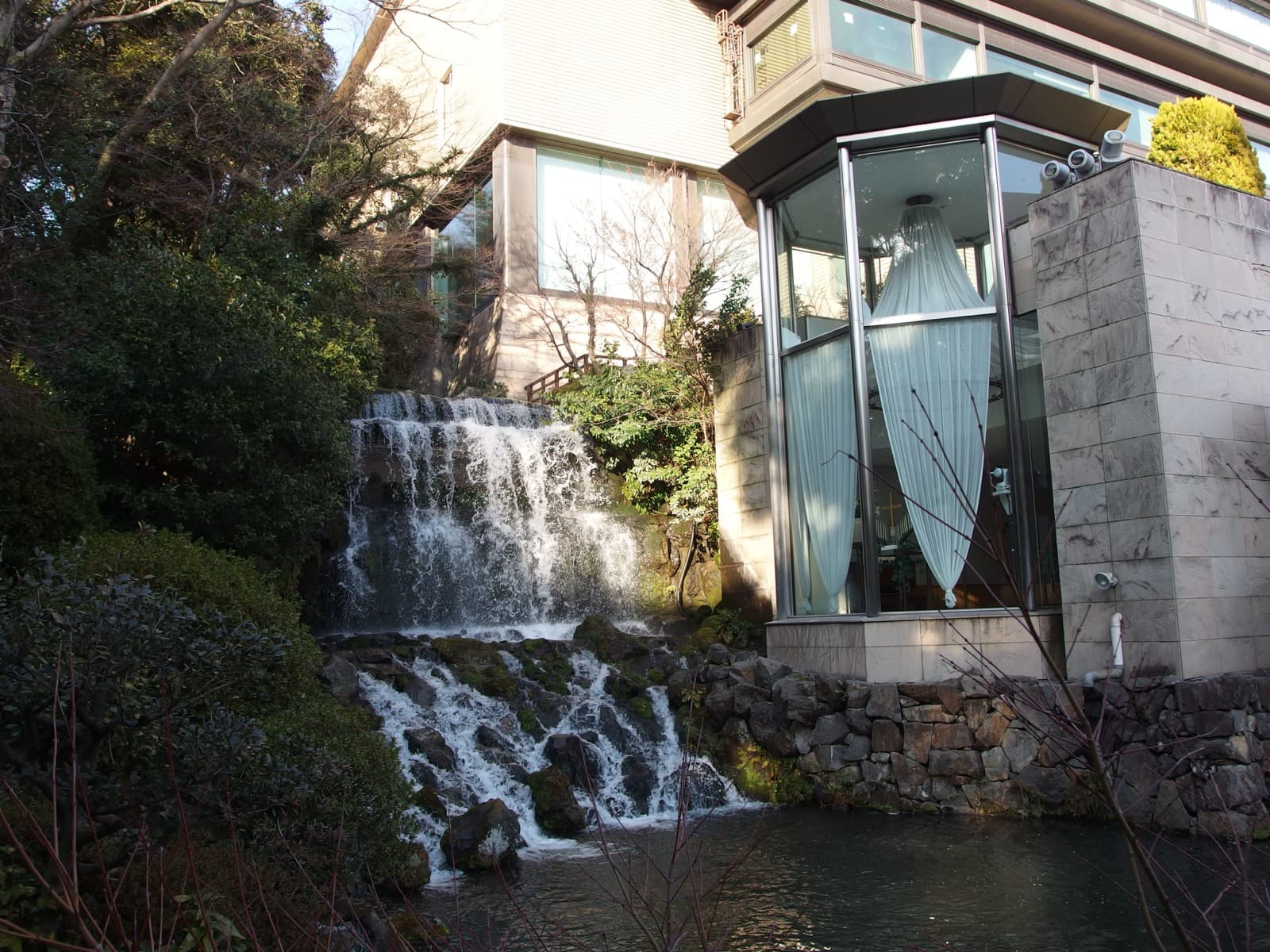
Tokyo has exactly one surviving streetcar line, the Toden Arakawa Line, now dressed up as the "Tokyo Sakura Tram," and it threads a slow, rickety path through the old northeast of the city that the subway map forgot. Ride it to Omokagebashi and you step out a short walk from Chinzanso Garden — a historic strolling garden centered on a relocated three-story pagoda and a pond-fed waterfall, tucked behind a working luxury hotel rather than a municipal fence. It changes hard with the seasons: cherry and camellia in spring, fireflies in early summer, blazing maples in autumn, and a seasonal evening "Tokyo Unkai" mist-and-light display. Most Tokyo visitors chase Shinjuku Gyoen and never learn this garden exists. Getting there: Ride the Tokyo Sakura Tram (Toden Arakawa Line) to Omokagebashi, then walk about 16 minutes; alternatively take the Tokyo Metro to Edogawabashi Station and walk roughly 10 minutes. The daytime garden is free to stroll (evening illumination events are ticketed).
02Kanagawa
Pola Museum of Art — riding the Hakone Tozan Railway
ポーラ美術館
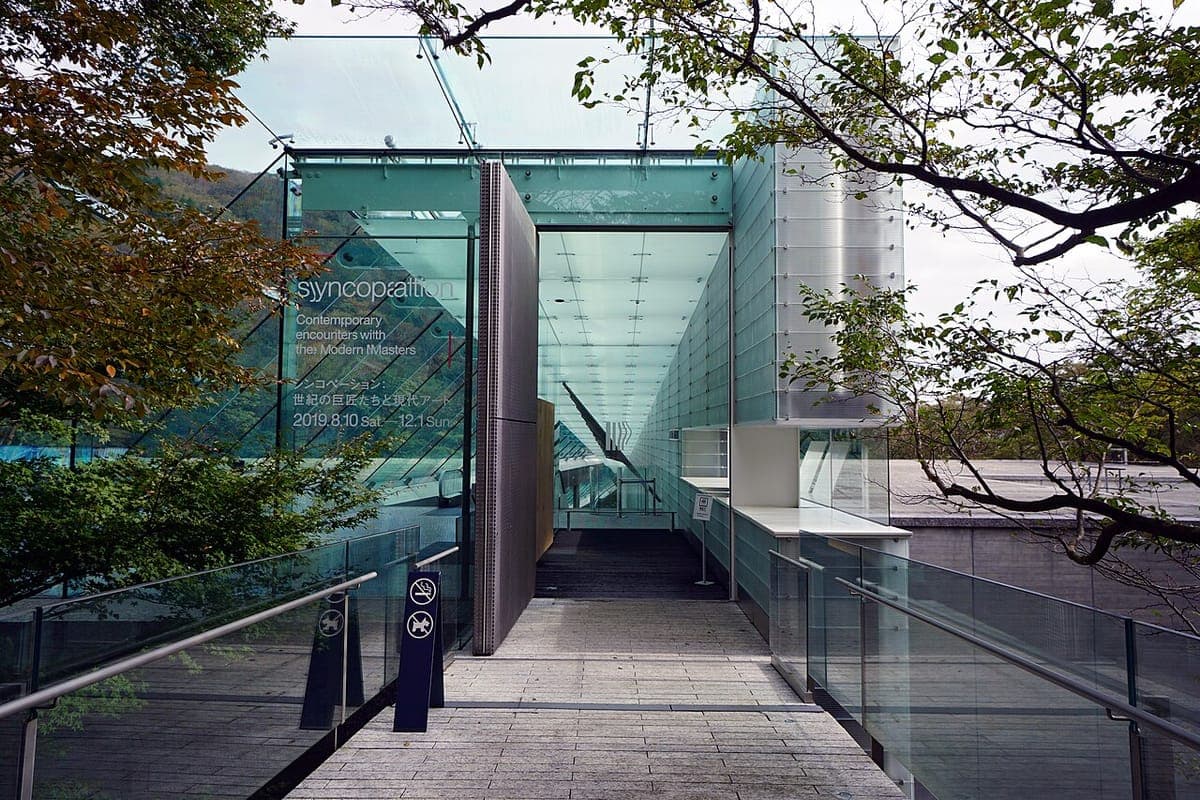
The Hakone Tozan Railway is Japan's oldest mountain railway and one of the most purely enjoyable train rides in the country: to climb the steep flank above Hakone-Yumoto it reverses direction at a series of switchbacks, the driver and conductor swapping ends of the train while hydrangeas crowd the windows in June. Ride it to the upper terminus at Gora and a short bus carries you to the Pola Museum of Art, a mostly-underground building sunk into the forest so as not to break the treeline, holding a serious collection of Impressionist and modern works plus a walkable woodland trail. It is the art-lover's reward at the top of the best slow climb near Tokyo. Getting there: Take the Hakone Tozan Railway to Gora Station, then a bus to the museum. Admission ¥2,200 adult (¥2,000 booked online).
03Kanagawa
Hakone Botanical Garden of Wetlands — the same line, further out
箱根湿生花園
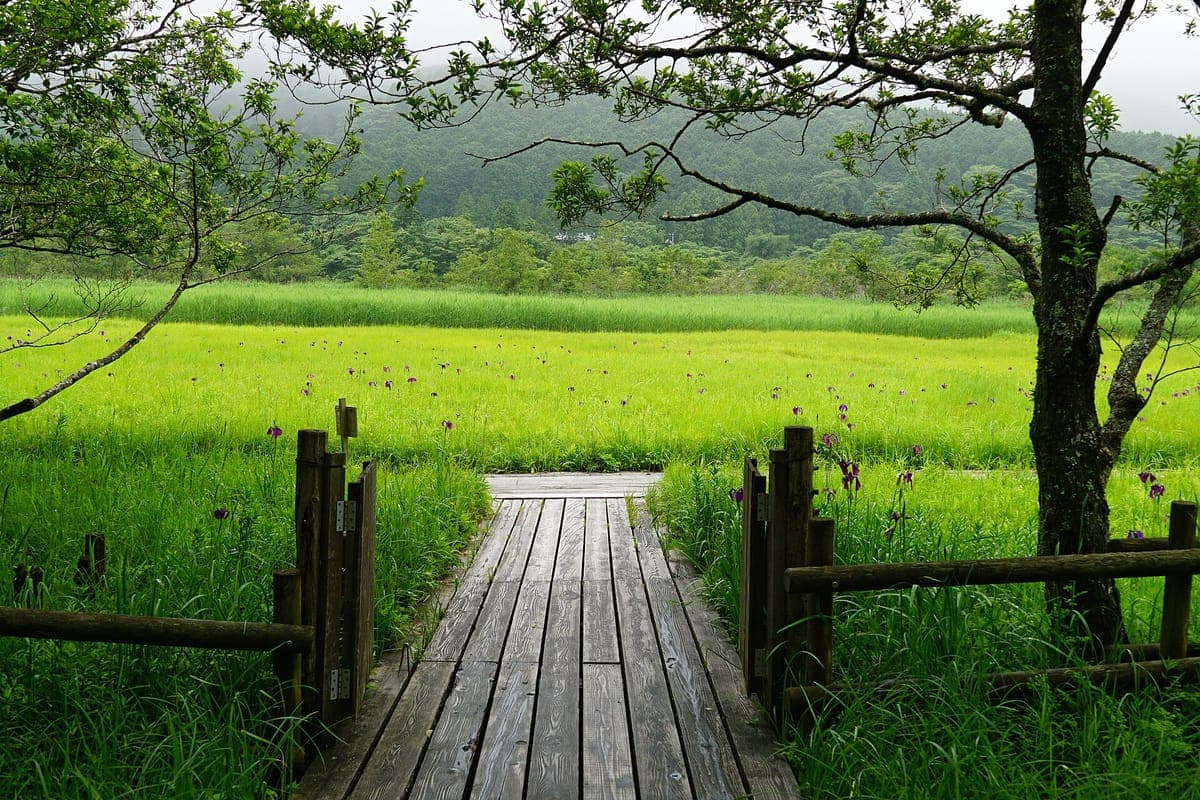
Stay on the Hakone Tozan corridor and you reach a quieter payoff than the crowded ropeways and pirate-ship lakes: a botanical garden built entirely around wetland and alpine plants, its boardwalks looping through marsh, bog and seasonal wildflower beds most Hakone day-trippers never see. Coming here as a deliberate ride — Yumoto's switchbacks, then a connecting bus over the pass — turns a plant garden into a proper half-day expedition into the Hakone highlands, best in the green months from spring through autumn. Getting there: Take the Hakone Tozan Railway to Hakone-Yumoto Station, then a bus to the garden. Admission ¥700 adult.
04Wakayama
Ryujin Onsen — the cat-stationmaster line to Kishi
龍神温泉
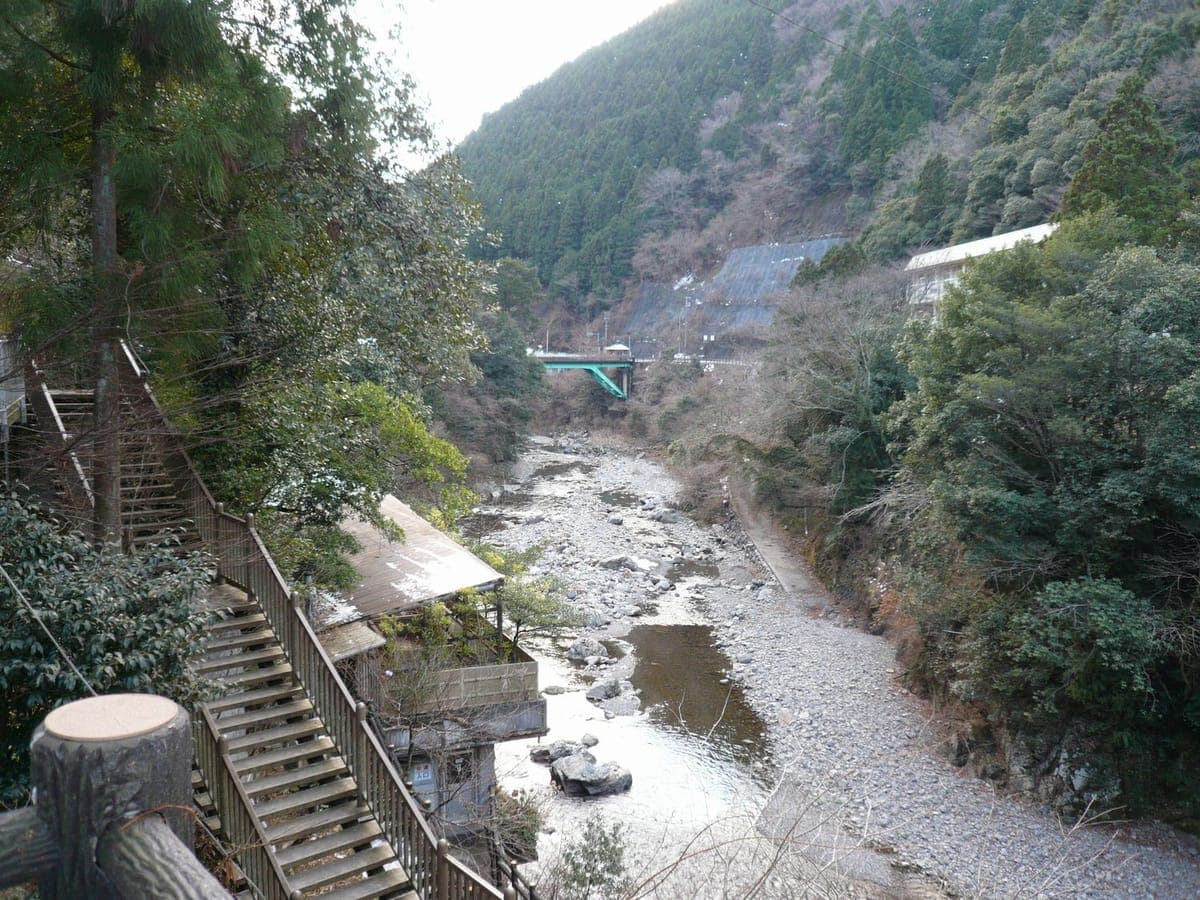
Deep in the Wakayama mountains, Ryujin Onsen is a hot-spring hamlet famous for silky "beauty-bath" water and open-air tubs looking out over forested ridges — the kind of place you reach slowly or not at all. The approach is the fun part: the Wakayama Electric Railway's Kishigawa Line runs out from Wakayama city to its rural terminus at Kishi, a thatched, cat-shaped country station presided over by a real feline stationmaster (the original, Tama, is enshrined on the platform; her successors still hold office). From Kishi, a mountain bus winds the rest of the way into the Ryujin valley. It is a full day of small trains, buses and hot water — pure slow travel. Getting there: Ride the Wakayama Electric Railway Kishigawa Line to its terminus at Kishi Station, then a bus toward the Ryujin valley; from Shin-Osaka it is roughly 2h 47m by car if you'd rather drive. Confirm current bath hours and fees with the ryokan before you go.
05Shimane
Shimane Art Museum — the lakeside Bataden
島根県立美術館
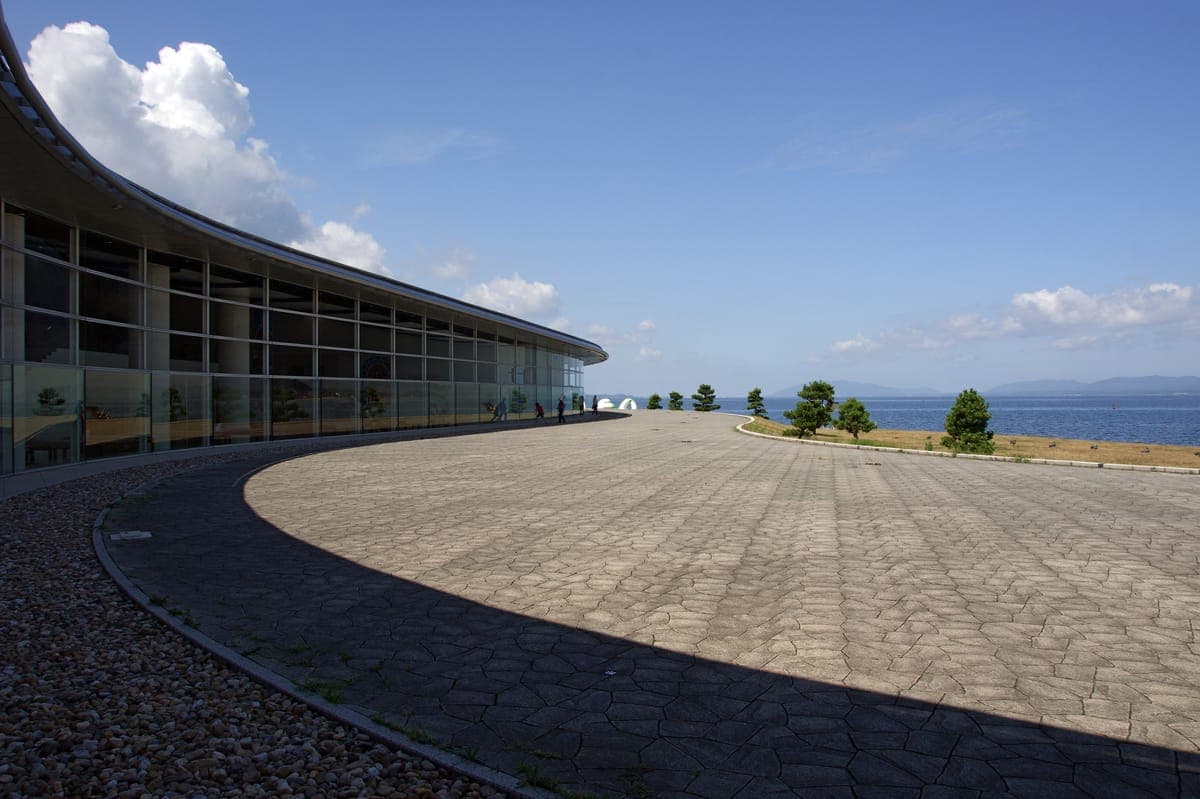
The Ichibata Electric Railway — locally the "Bataden," running since 1912 — is one of the loveliest lake railways in Japan, its two-car trains hugging the northern shore of Lake Shinji for about an hour between Izumo and Matsue. You can even wheel a bicycle aboard and ride one leg by bike. Ride it to the terminus, Matsue-Shinjiko-Onsen Station (there's a free footbath right outside), and Shimane Art Museum sits on the same lakeshore a short walk on — a low glass building with a sculpture lawn angled at the water, celebrated for framing Lake Shinji's sunsets, routinely rated among Japan's finest. The line, the lake and the museum are one continuous scenic experience. Getting there: Take the Ichibata Railway (Bataden) along Lake Shinji's north shore to its terminus at Matsue-Shinjiko-Onsen Station, then walk about 22 minutes; a short bus from JR Matsue Station also works. Collection exhibition ¥400 adult.
06Hiroshima
Hiroshima Castle — arriving by streetcar
広島城
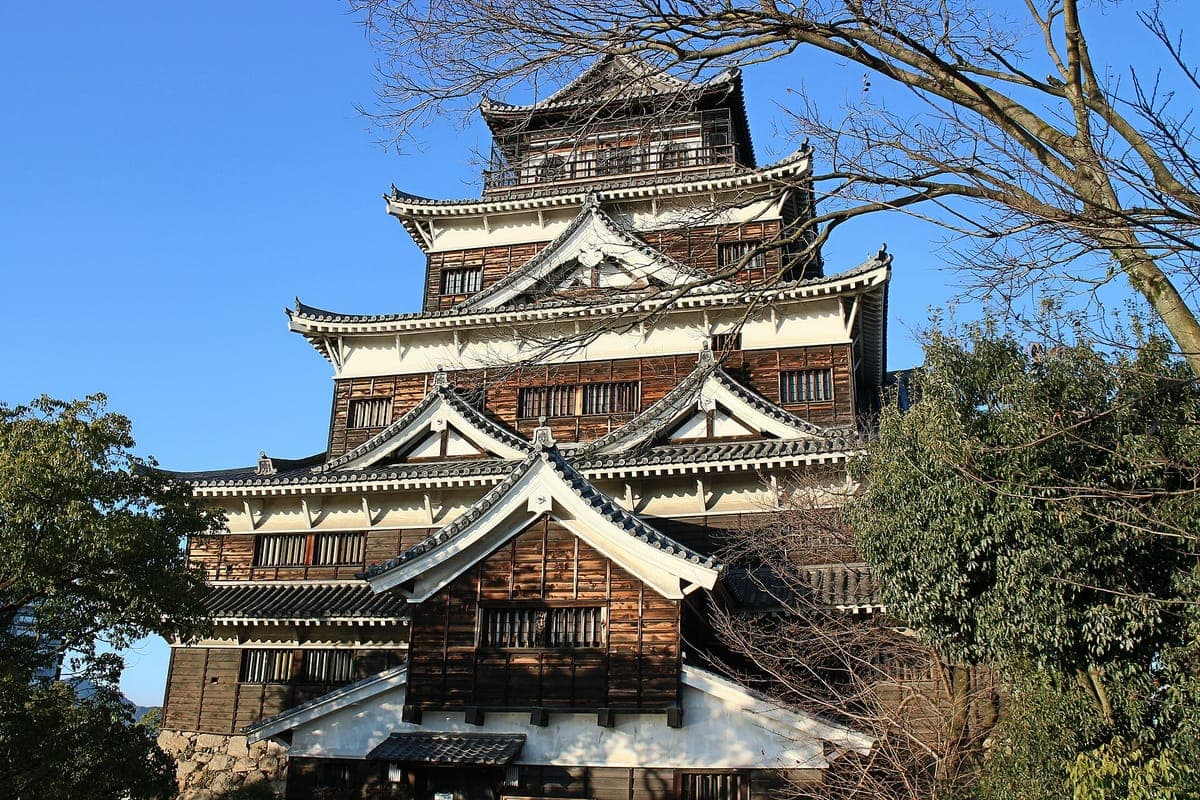
Hiroshima runs the closest thing Japan has to a living streetcar museum: the Hiroden network still fields vintage cars from cities across the country, including trams that survived the 1945 bombing and rolled again days later. Riding one is itself a piece of the city's story. Take it to the castle stop and you reach Hiroshima Castle, the reconstructed 16th-century "Carp Castle" whose grounds, moat and Ninomaru area most visitors skip in favor of the Peace Memorial Park a few stops away. The streetcar makes the castle an easy, atmospheric add-on rather than a detour. Getting there: Board a Hiroden streetcar from Hiroshima Station and ride to the Hiroshima Castle stop (nearest rail station Jōhoku, about 14 min walk). The grounds and moat are free to enter; note the main keep (Tenshukaku) has been closed to visitors since March 2026 for safety works, so plan around the exterior and Ninomaru.
When to go
These lines run all year, but autumn and winter are the sweet spot. From late October the Hakone Tozan switchbacks climb through red and gold maples, and Lake Shinji's autumn-into-winter sunsets — the ones the Shimane Art Museum is built to frame — turn the whole Bataden ride amber. Spring flips the mood: cherry blossom lines the Tokyo Sakura Tram, and Chinzanso's camellias open. June brings the famous hydrangeas to the Hakone Tozan line, when the flowers brush the windows on the climb. Ryujin Onsen is loveliest in spring and autumn, when the mountain air makes the open-air baths sharpest. Wherever possible, ride on a weekday and mid-morning — you'll get a window seat, an emptier platform, and the small-station calm that makes slow rail worth choosing over the shinkansen in the first place.
Keep exploring
- Autumn Leaves Off the Beaten Path → — pair these rides with foliage most tour buses miss.
- San'in Coast: Shimane & Tottori → — go deeper along the Lake Shinji and Sea of Japan side where the Bataden runs.
- Hidden Winter Onsen → — more remote hot springs, like Ryujin, worth the slow journey.
- The Nakasendo on Foot — the Chuo Line drops you straight onto the trail.
- Sake Country — brewery districts you can reach on a slow line.
Ready to plan? Build your own hidden-Japan itinerary → — our trip generator turns any of these spots into a day-by-day route.