Multi6 min read
Autumn Leaves Off the Beaten Path: Quiet Koyo Spots Across Japan
The best hidden autumn leaves spots in Japan, from Hokkaido gorges to Kyushu temples — quiet koyo far from the Kyoto crowds, with access and timing.
Best time: Mid-Oct to early Dec
Every November, the same handful of Kyoto temples appear in every autumn-in-Japan photo — and every one of them is shoulder to shoulder with tripods by mid-morning. But koyo (autumn foliage) is a nationwide event that rolls from Hokkaido to Kyushu over nearly two months, and the best hidden autumn leaves spots in Japan are the ones the tour buses skip: a basalt gorge in the far north, a stream you can only walk, a borrowed-scenery garden five minutes off the Nara Park path, a mountain temple an hour past the crowds. This guide follows the colour south, from early-October Hokkaido to late-November Kyushu, so you can time a whole trip around quiet maples and golden ginkgo instead of fighting for a spot on a temple veranda. Each stop below is chosen for solitude first, spectacle second — and most of them are free.
Sounkyo Gorge Autumn (Hokkaido)
Hokkaido colours first, and Sounkyo Gorge is where it goes off like a match. Sheer 150-metre columnar-basalt cliffs turn crimson in October along a 24-kilometre canyon, and the autumn festival adds floating lanterns on the river and illuminated columns visible from the onsen town below. The towering walls become a tapestry of crimson and gold, with the lantern-light glowing on the water in the evening. Come early evening once the lanterns are lit, use the onsen town as your vantage point, and dress warmly — temperatures drop fast up here.
Getting there: From Sapporo Station, roughly 2h 43m by car. Free. Festival dates run Oct 1–25, 2026 — Hokkaido peaks earliest in the country.
Oirase Stream Autumn (Aomori)
Drop into Tohoku and you reach what many Japanese travellers call the country's most beautiful forest stream. The Oirase Stream carpets ten kilometres with yellow and red beech leaves, threaded by fourteen waterfalls and a rushing river, and the path is car-free — walking it in peak colour is one of Japan's great walks. The trail runs as a natural tunnel of towering trees, the sound of cascades mixing with rustling leaves. Go early in the morning for the quiet, and aim for the stretches near Choshi Otaki waterfall and Ashura Rapids, where water and colour play off each other best.
Getting there: Nearest station is Shimoda Station (16 min walk to the area); from Sendai Station it is about 4h 16m by car. Free. Peak walking window is Oct 20 – Nov 5, 2026.
01Ishikawa
Kenroku-en Garden (Ishikawa)
兼六園
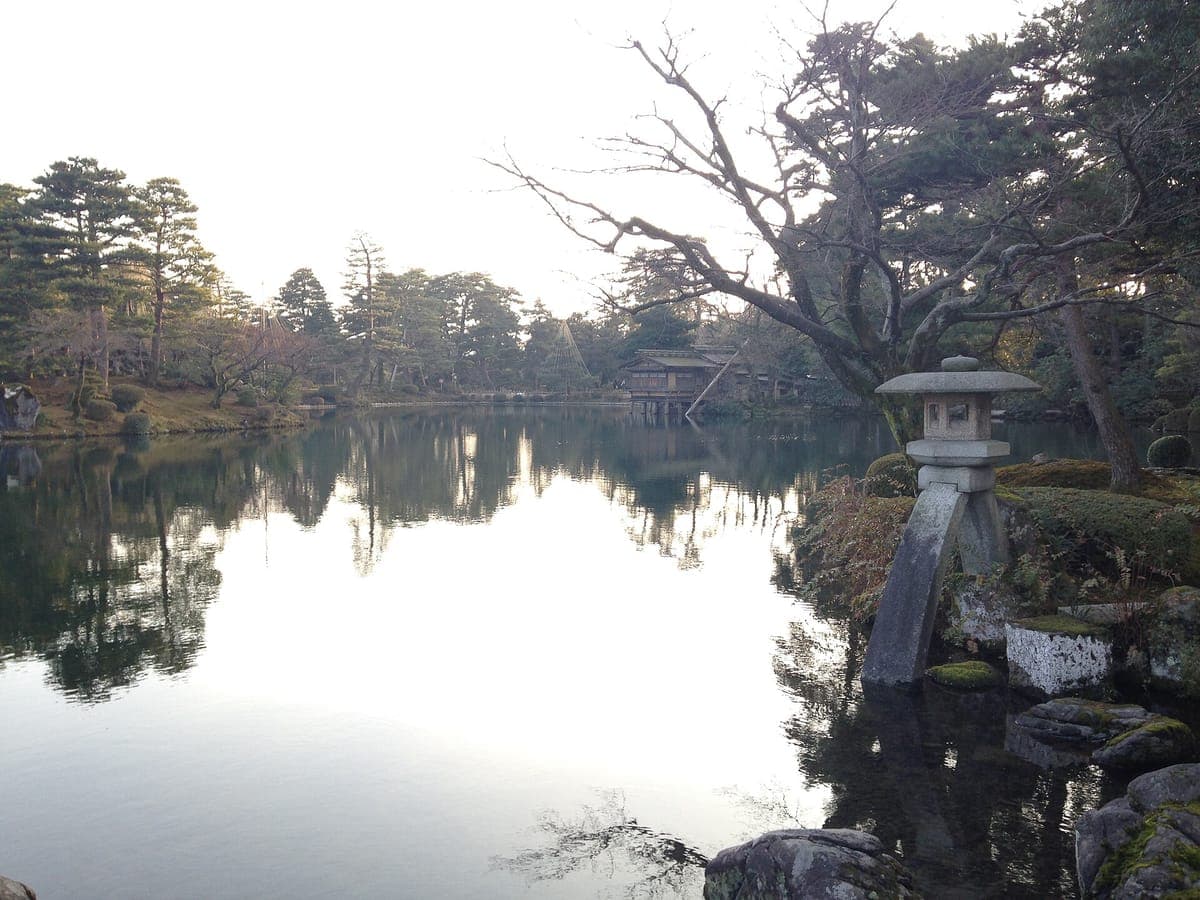
Moving down into Chubu, Kanazawa's Kenroku-en is one of Japan's three great landscape gardens — designed, unusually, to be beautiful in every season, with ponds, seasonal flowers and mountain views. Most visitors to Kanazawa fixate on the castle and museums and treat the garden as a quick add-on, which leaves its autumn maples surprisingly unhurried if you time it right. It rewards a slow loop rather than a lap.
Getting there: Roughly a 15-minute bus from Kanazawa Station; nearest station Hokutetsu-Kanazawa (33 min walk). Admission ¥320 for adults — and free during the early-morning hours before regular opening, which is also when you will have the paths closest to yourself.
02Toyamahidden gem
Midagahara Wetlands (Toyama)
弥陀ヶ原
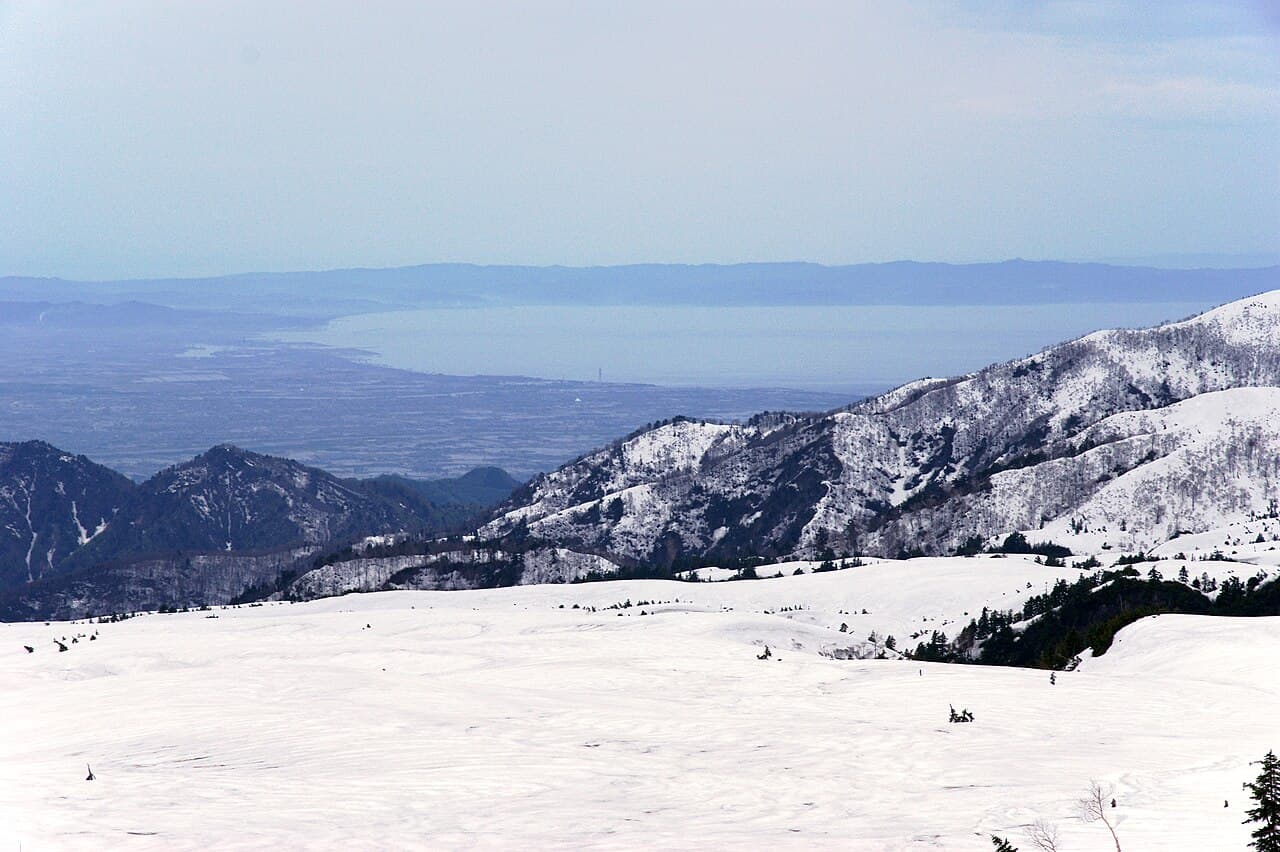
For something genuinely wild, break your journey on the Tateyama Kurobe Alpine Route. Midagahara is a high volcanic plateau of marshland between 1,600 and 2,000 metres, dotted with hundreds of small ponds the locals call gaki-no-tanbo, "hungry ghosts' rice paddies." Wooden boardwalks cross the fragile bog, and in autumn the grasses turn gold; it was designated a Ramsar wetland of international importance in 2012. Almost nobody stops here — most Alpine Route riders stay on the bus straight to Murodo and never step off at this quieter mid-mountain stop.
Getting there: Car-free. Alight the Tateyama Highland Bus at the Midagahara stop, between Bijodaira and Murodo on the Toyama side; the boardwalk loops start beside the bus stop. Accessible only while the Alpine Route operates, mid-April to end of November — so autumn visits close the season.
03Nara
Isui-en Garden (Nara)
依水園
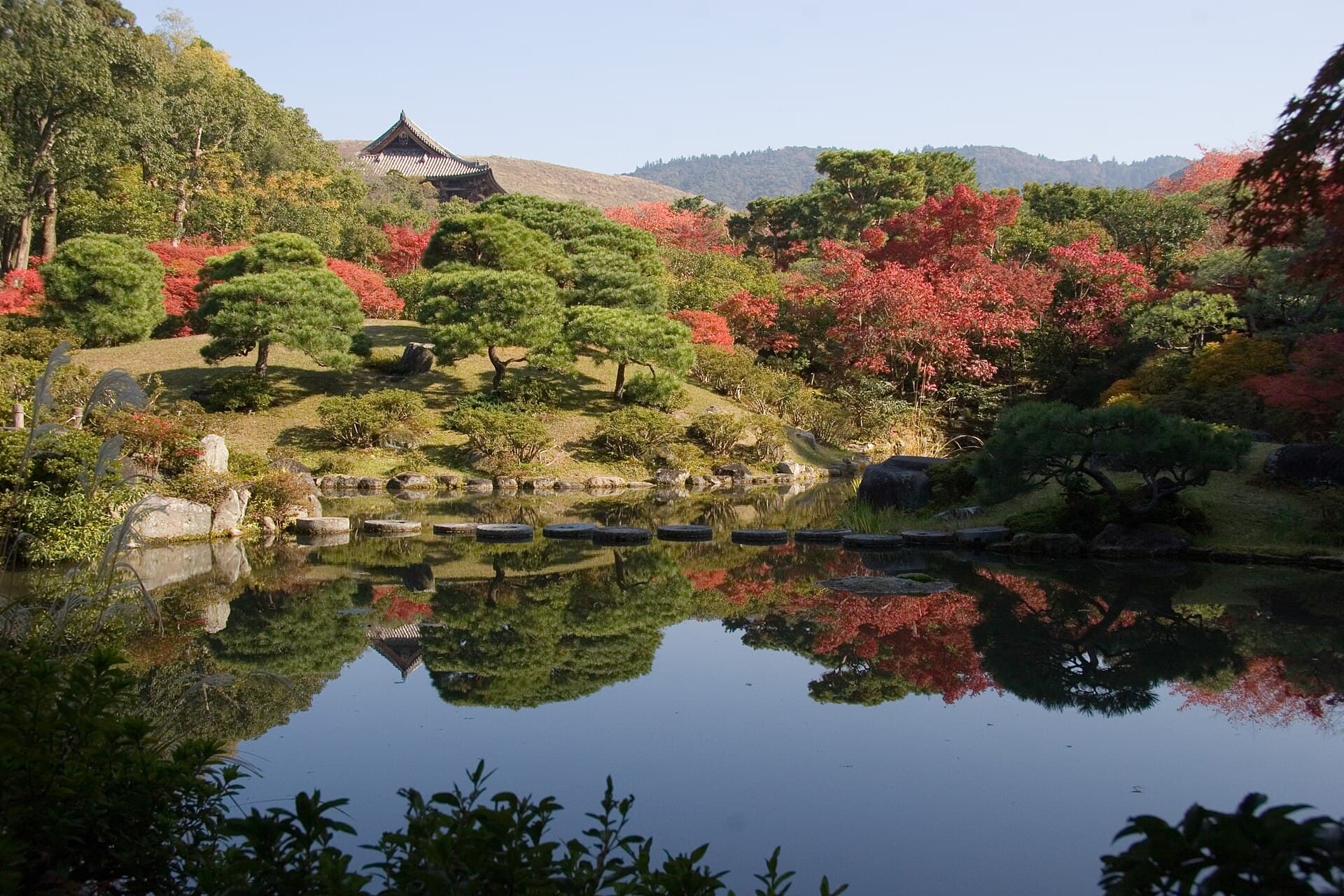
In Kansai, skip the Kyoto scrum and go to Nara instead. Isui-en is a tranquil Edo- and Meiji-era strolling garden tucked beside Todai-ji's Nandaimon gate — actually two gardens in one, blending ponds, stepping stones and teahouses with "borrowed scenery" of Mount Wakakusa and Todai-ji's rooftops in the distance. It is the only kaiyushiki (walking) garden in Nara and shares its grounds with the small Neiraku Museum. Best of all, it is a five-minute detour off the main Nara Park path that the deer-and-temple crowds walk straight past, so you can sit with that borrowed-scenery view almost to yourself.
Getting there: About a 20-minute walk from Kintetsu Nara Station, just outside Todai-ji's Nandaimon gate — look for the unmarked entrance path beside the museum sign. November foliage is the garden's headline season.
04Kyoto
Kozan-ji (Kyoto)
高山寺
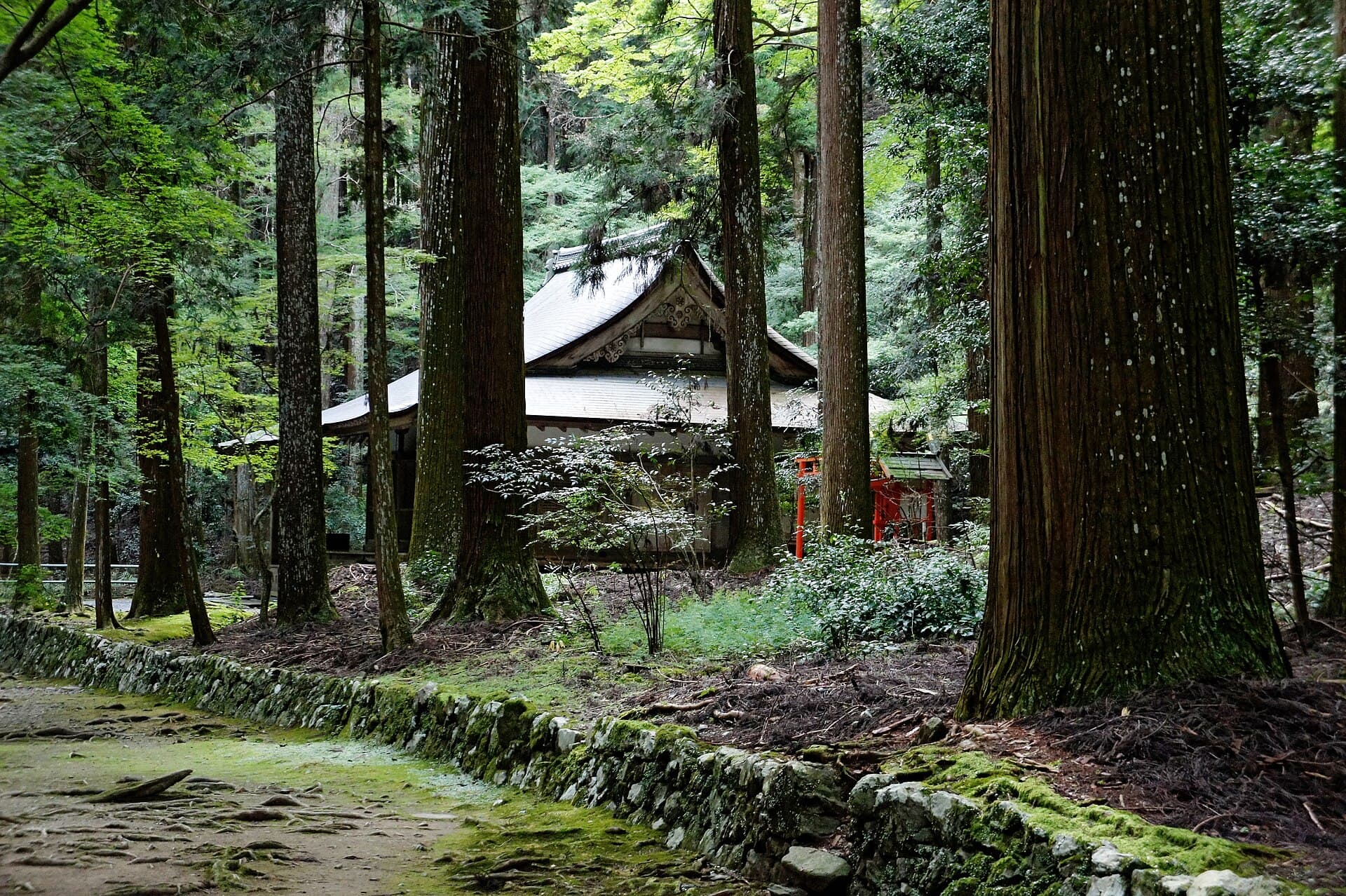
If you must have Kyoto, go where Kyoto doesn't. Kozan-ji is a remote mountain temple in Toganoo, refounded in 1206 by the monk Myoe and a UNESCO World Heritage site — celebrated as the home of the Choju-jinbutsu-giga, the 12th–13th-century "frolicking animals" scrolls often called Japan's oldest manga. Its Sekisui-in hall and cedar-shaded approach are prime autumn-foliage territory, and the grounds hold Japan's oldest tea plantation. It sits about 50 minutes by bus up into the northwestern mountains, well past the busier Takao temples, which is exactly why the maples here stay peaceful.
Getting there: JR Bus (Takao-Keihoku line) from Kyoto Station to the "Toganoo" stop (~50 min), then a short walk. Admission ¥1,000 for the Sekisui-in hall, with an additional ¥500 autumn surcharge. Foliage peaks in November.
05Hiroshima
Momijidani Park (Hiroshima)
紅葉谷公園
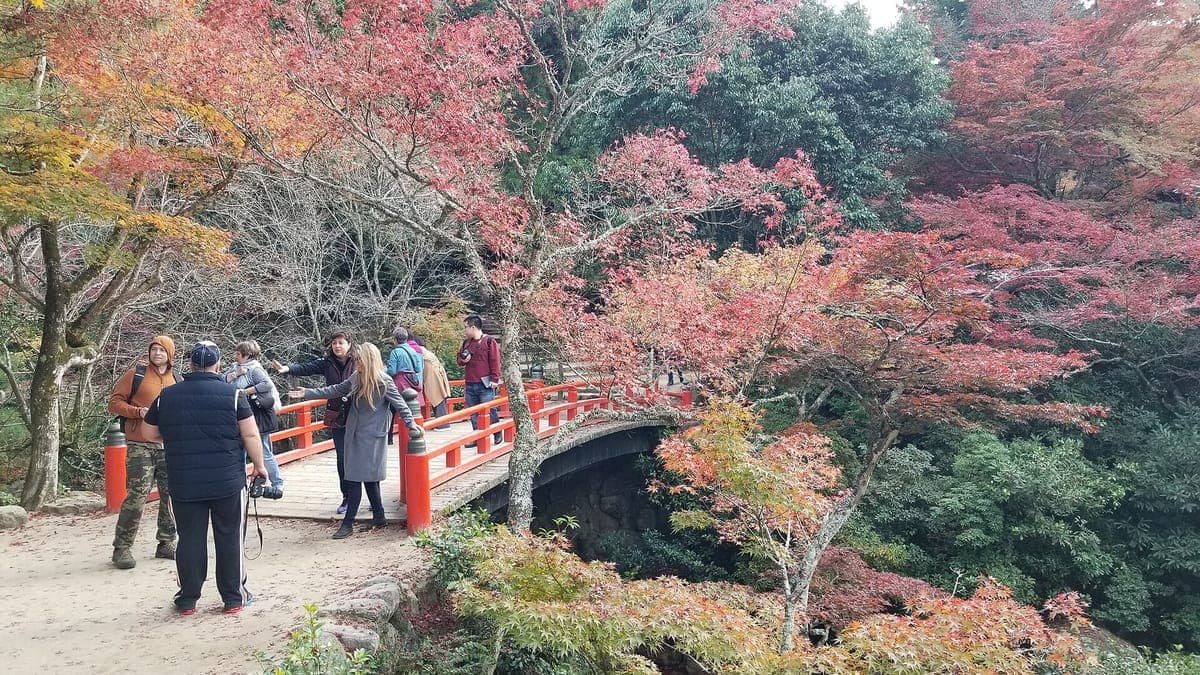
Down in Chugoku, Momijidani Park — its name literally means "maple valley" — is exactly what it sounds like: hundreds of maples turning vivid red and orange, laced with quiet walking paths and, per its listing, a traditional inn and eatery. Travellers to Hiroshima tend to fill their day with the headline sights and overlook this tranquil park entirely, which keeps the colour uncrowded.
Getting there: Nearest station Momijidani (4 min walk); from Hiroshima Station about 1h 16m by car. Free entry, open year-round, with autumn as the standout season.
Autumn Koyo at Sennyoji Temple (Fukuoka)
The colour finally reaches Kyushu, and Sennyoji is a fitting last stop. About an hour from Fukuoka, this temple is considered one of Japan's most beautiful spots for autumn foliage: visitors remove their shoes and take in the maples framing the historic wooden halls from mid-November into early December. The crisp air and the scent of fallen leaves do as much for the mood as the colour itself. Aim for the late afternoon, when the light sits best on the foliage.
Getting there: From Hakata Station about 41 min by car. Shoes come off inside the temple, so bring socks. Viewing dates run Nov 10–30, 2026.
When to go
Koyo is a wave, not a week, and it moves north to south. In the data above you can watch it travel: Hokkaido lights up first, with Sounkyo Gorge peaking Oct 1–25; Tohoku follows, with the Oirase Stream at its best Oct 20 – Nov 5. Through November the front rolls down the main islands — the Chubu gardens and Kansai temples like Isui-en and Kozan-ji hitting their stride mid-to-late November — before finishing in the south, where Kyushu's Sennyoji holds its colour Nov 10–30 and often into early December. Plan a north-to-south route and you can effectively chase peak foliage for six weeks straight. As a rough rule, the mountains and the far north turn early, the lowland gardens and southern temples turn late, and any single spot holds its best colour for only a week or two — so build in a day of slack.
Keep exploring
- Japan Alps: Nagano & Gifu — more high-country routes near Midagahara and the Alpine Route.
- Tohoku's Winter Festivals — when the maples drop up north, the snow-and-fire festival season begins.
- Kyushu Onsen Towns Nobody Knows — pair Sennyoji's maples with a soak in the deep south.
- Cherry Blossoms Off the Beaten Path — The other great colour season — quiet hanami spots.
- Autumn in Tohoku: The North's Quiet Koyo — The north's koyo runs its own quiet circuit — gorges, plateaus and mountain onsen.
- Kyoto's Quiet North — where Kyoto's maples are quietest.
Ready to plan? Build your own hidden-Japan itinerary → — our trip generator turns any of these spots into a day-by-day route.