Multi6 min read
Hidden Winter Onsen: Snow-Country Hot Springs Nobody Talks About
Secret winter onsen towns in Japan's snow country — steaming rotenburo, ice-village baths and secluded mountain yu across Hokkaido, Tohoku, Nagano and Gunma.
Best time: December–March
Nothing captures the Japanese winter like lowering yourself into an open-air bath while snow falls silently around you and steam curls up into a grey sky. Everyone knows the famous resort towns, but the best secret winter onsen towns in Japan's snow country stay quiet on purpose — reached by slow mountain buses, forest trails or lonely caldera roads far from the ski crowds. This guide gathers eight snow-season hot springs across Hokkaido, Tohoku, Nagano, Gunma and the Kansai mountains, from a village of hand-built ice igloos with a bath set right on a frozen lake to a riverside rotenburo ringed by boulders. Each one trades convenience for atmosphere, and each rewards the traveler willing to detour. Below you'll find why each place is special, how to reach it in winter, and admission where the fee is published — no invented details, just the spots worth the cold.
01Gunma
Takaragawa Rotemburo
宝川温泉露天風呂
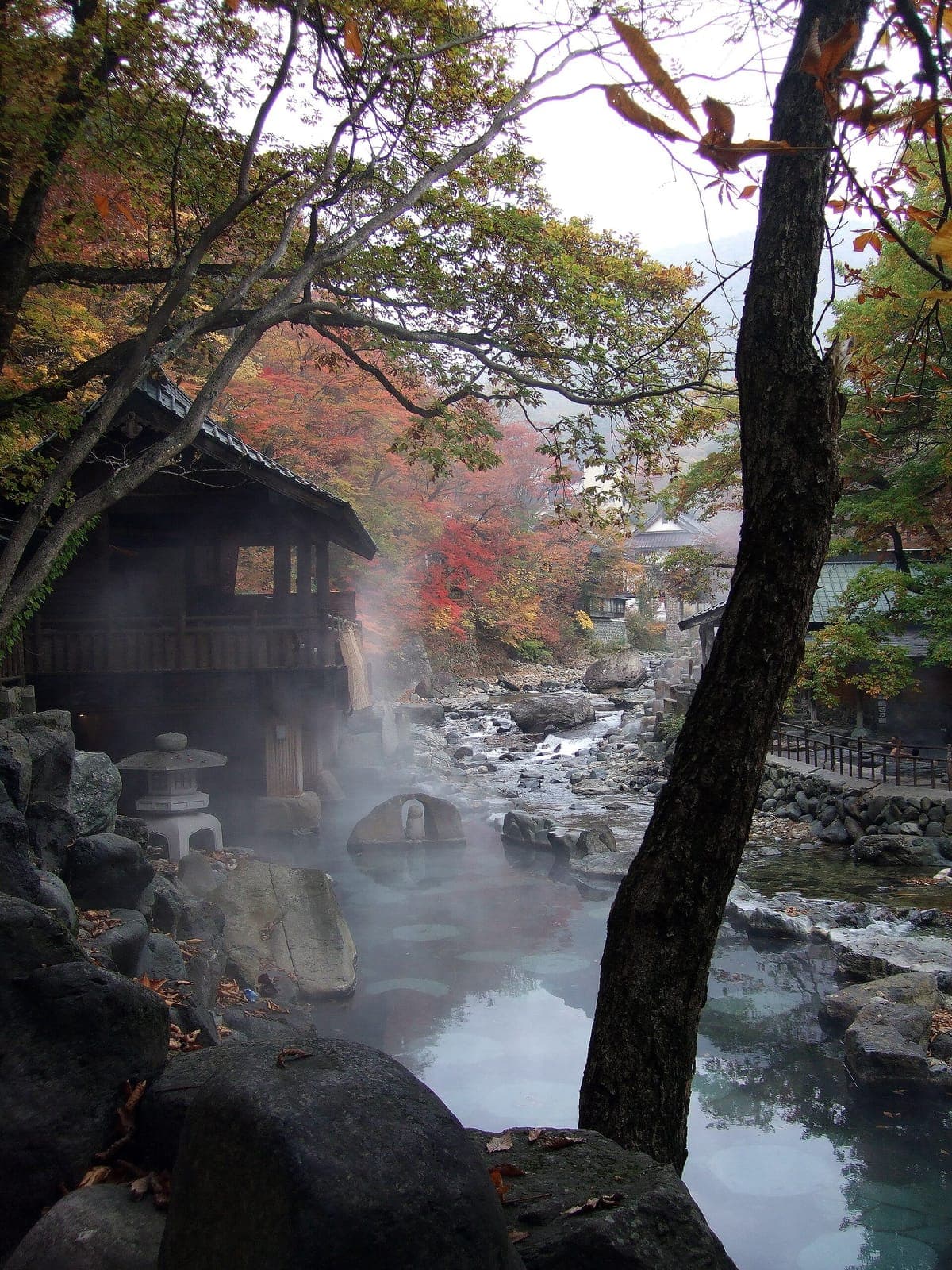
Deep in the Gunma mountains, Takaragawa is one of Japan's great riverside open-air baths. The pools are carved into the landscape itself, surrounded by natural boulders and lush greenery, so soaking here means listening to the flowing Takaragawa river while the surrounding forest turns white in winter. Its remote location and near-total lack of marketing keep it off most mainstream itineraries — exactly why it feels like a secret. In deep snow the boulder-lined pools become one of Kanto's most photogenic rotenburo. Getting there: Take a train from Tokyo to Jomo-Kogen Station, then a bus toward Takaragawa Onsen; by car it is roughly 2h 40m from Tokyo Station.
02Nagano
Jigokudani Monkey Park
地獄谷野猿公苑
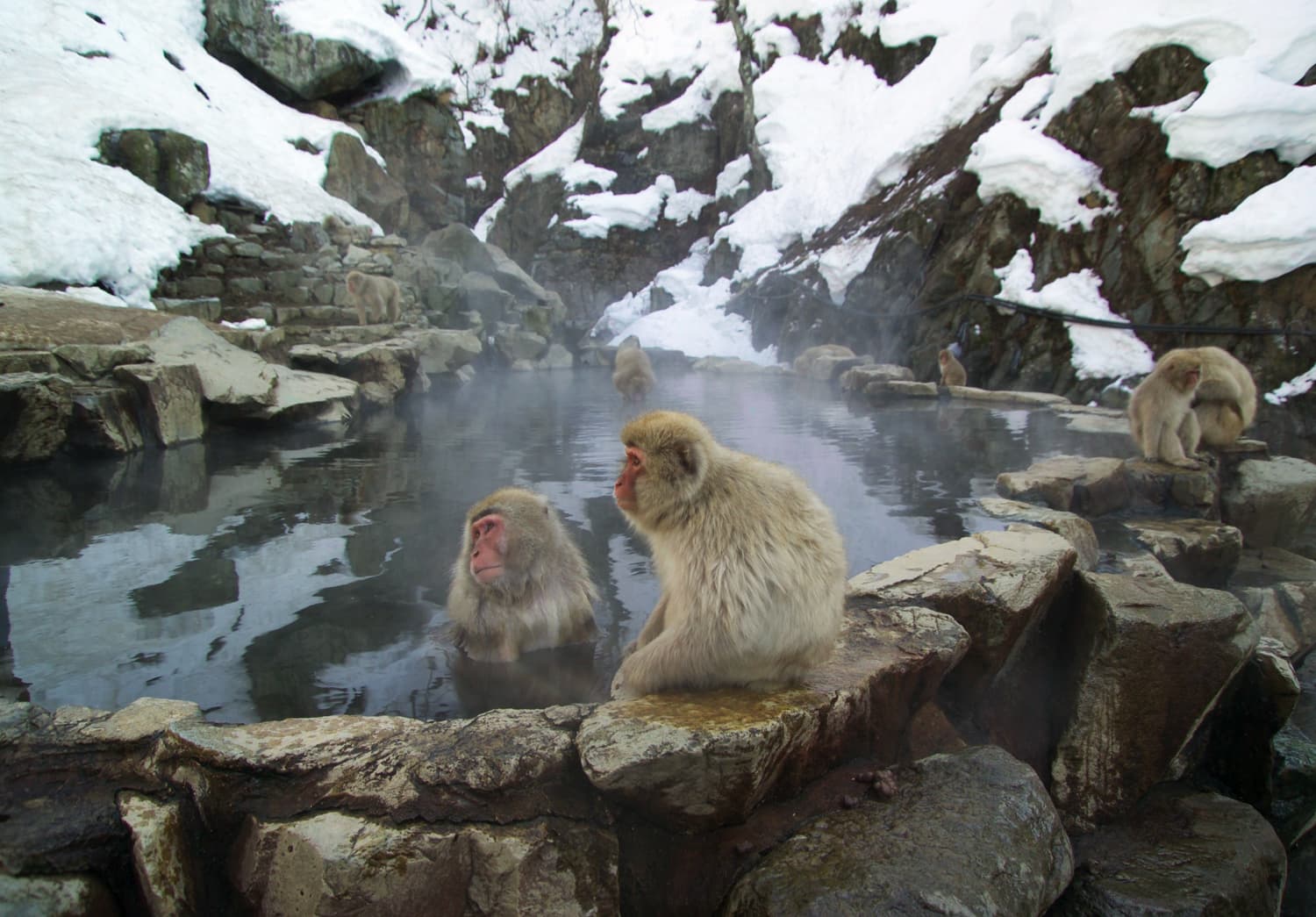
The most famous residents of this Nagano valley aren't people. In the Yokoyu River valley at 850m, inside Jōshin'etsu-kōgen National Park, wild Japanese macaques descend from the forest to bathe in a natural steaming hot-spring pool built for them — the only place in the world where wild monkeys are known to soak in an onsen. The snow-dusted "snow monkeys" became internationally famous after a 1970 LIFE magazine cover, and winter (December–March) brings peak monkey numbers against the deepest snow.
Getting there: From Nagano Station take the limited express to Yudanaka Station (45 min), then a local bus (15 min) to the Snow Monkey Park stop, and finally a 30–35 minute walk on an unpaved forest trail (the Yumichi Natural Trail) to the entrance — there is no vehicle access, and the uneven path is not wheelchair or cart accessible. Admission ¥800 (adults 18+); children 6–17 ¥400, under 6 free. Nearby parking charges ¥500.
03Hokkaidohidden gem
Lake Shikaribetsu
然別湖
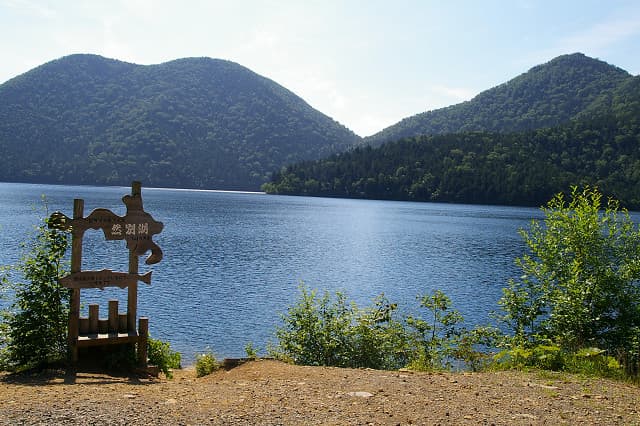
Hokkaido's highest lake sits at 810m in a volcanic caldera ringed by lava domes, just south of Daisetsuzan National Park — and in the depths of winter it becomes something extraordinary. From late January to late March its frozen surface hosts "Kotan," a village of hand-built ice igloos complete with an open-air hot spring set directly on the ice. Tucked in a mountain pocket well off the Furano–Biei–Tokachi flower circuit, it is one of Hokkaido's most dramatic caldera lakes that most itineraries simply skip. Getting there: There is no train access; the lake is about a 90-minute drive from Obihiro or Furano, with limited public transit — mainly winter tour buses running to Kotan. The nearest stations are Shintoku or Obihiro, roughly 60–90 minutes away by road.
04Hokkaido
Shikotsu-Toya National Park
支笏洞爺国立公園
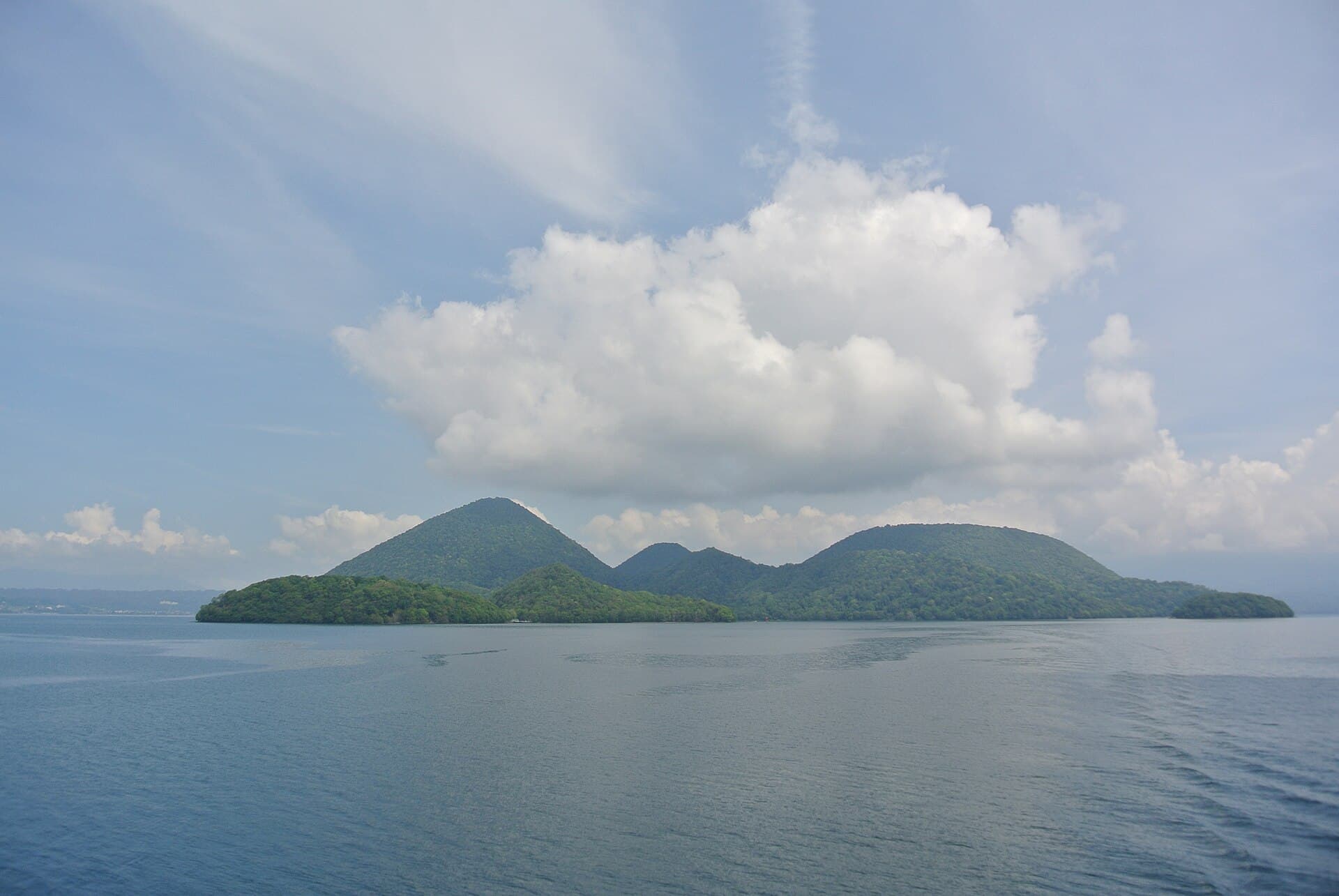
This sprawling Hokkaido park is built around volcanic drama: the deep caldera lakes of Shikotsu and Toya, active volcanoes, and a cluster of onsen resorts that steam through the coldest months. Most travelers chase Hokkaido's headline destinations and overlook it, yet its combination of caldera scenery, wildlife and hot-spring towns makes it an ideal snow-season base for soaking away from the crowds. Getting there: Reach the park by car or bus from Sapporo, the nearest major city — about 1h 36m by car from Sapporo Station. Free to enter, per the Ministry of the Environment; specific facilities inside charge separately.
05Miyagihidden gem
Naruko Kokeshi Village
鳴子こけし村
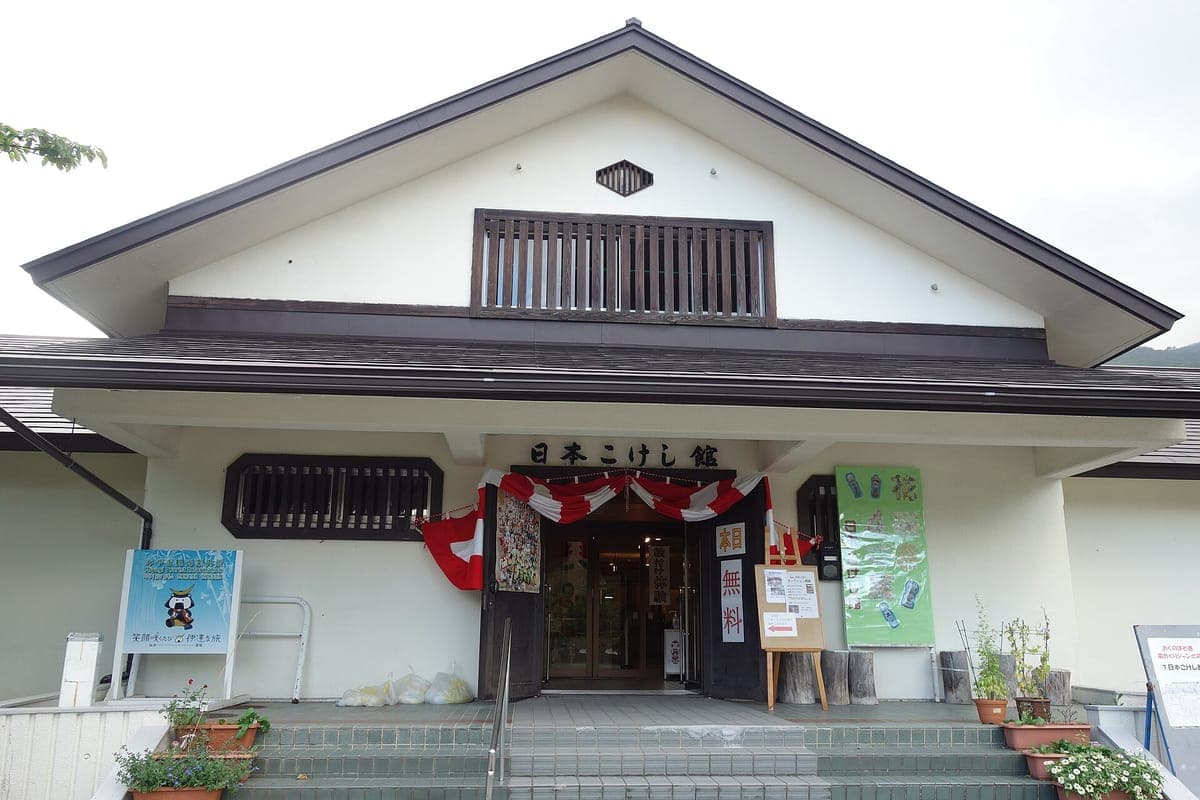
In the snowbound hills of Miyagi, Naruko is the heart of kokeshi doll carving — and a genuine hot-spring town. Visitors can watch artisans shape the traditional wooden dolls by hand, even try carving one, then thaw out in the town's famous onsen. It is the kind of Tohoku craft-and-onsen village mainstream travelers overlook entirely, which is precisely its charm in winter when the surrounding scenery is deep in snow. Getting there: Take the JR Shinkansen to Furukawa Station, transfer to the JR Rikuu East Line to Naruko-Onsen Station, then a short bus ride to the village; by car it is about 1h 23m from Sendai Station.
06Tochigi
Nasu Highland
那須高原
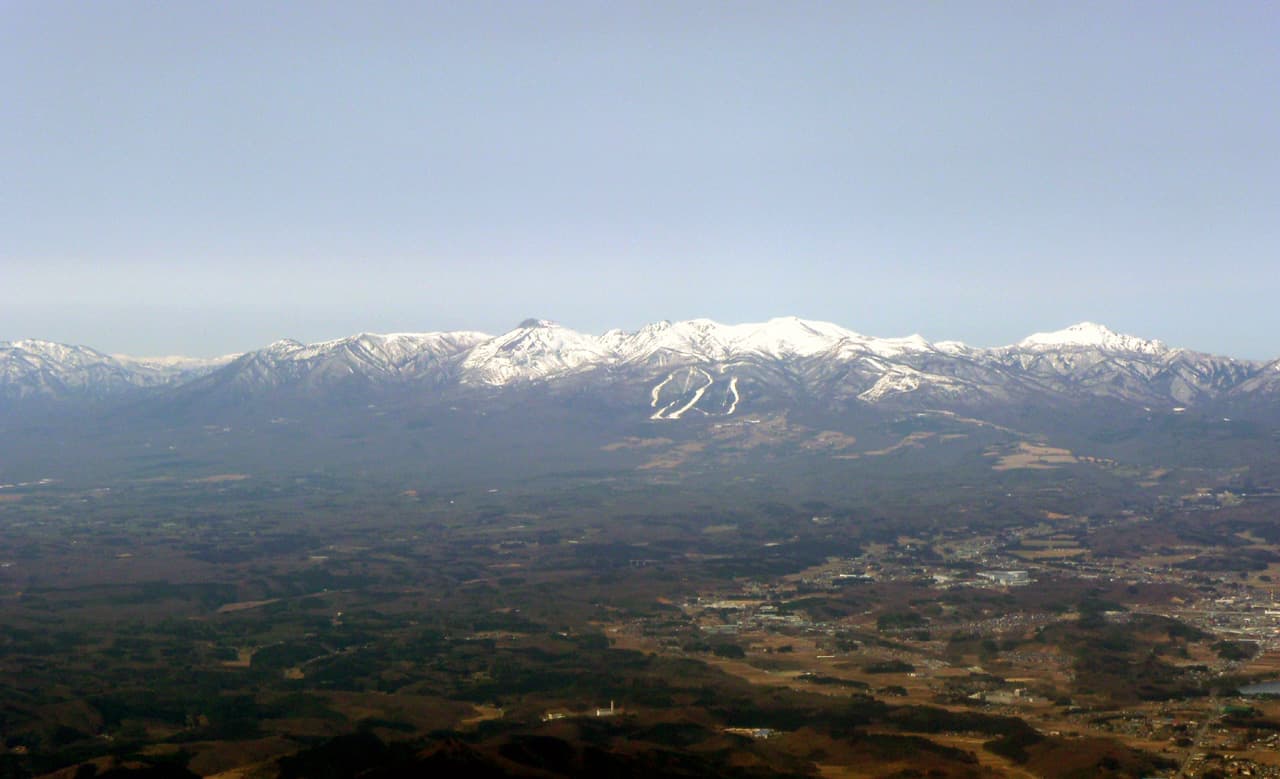
This highland plateau in Tochigi is threaded with hot springs and known for a rare sight: wild monkeys bathing in the natural onsen, a serene, picturesque scene in the cold. Alongside the baths sit quirky attractions like the sun-themed Nasu Taiyou-no-ie art facility. Travelers tend to default to nearby Nikko or Hakone, leaving Nasu's onsen-dotted highland comparatively quiet in winter. Getting there: From Tokyo, take the Shinkansen to Nasushiobara Station, then transfer to a local bus heading to Nasu Highland; by car it is about 2h 31m from Tokyo Station.
07Kyoto
Kurama Onsen
鞍馬温泉
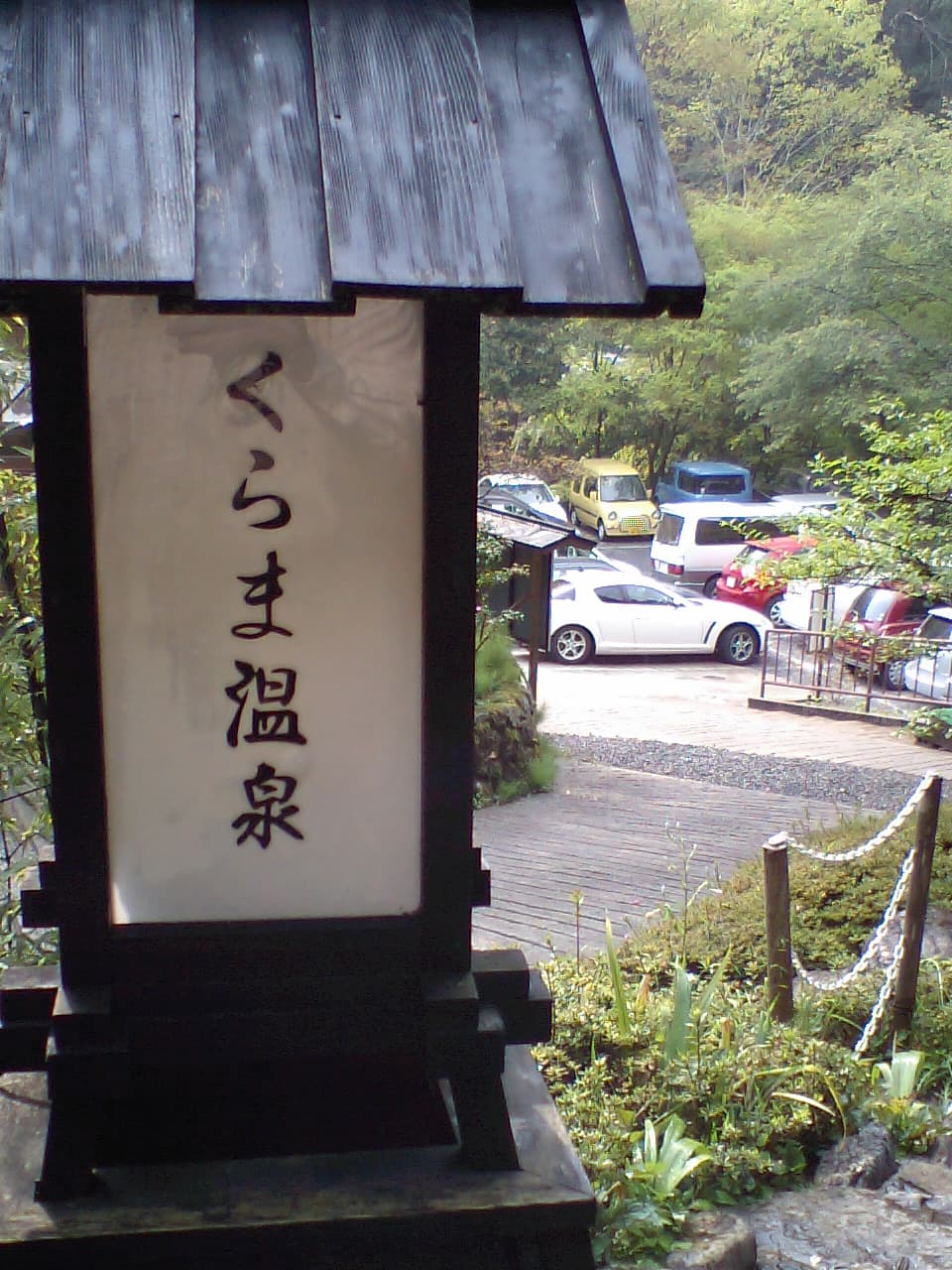
North of Kyoto, Kurama Onsen is a serene mountain hot spring wrapped in forest — best known for autumn maples, but with a real winter draw: the area hosts a striking fire festival in the colder months, and its outdoor baths make a tranquil retreat when the mountains north of the city turn cold. Its remote setting and the popularity of easier-to-reach hot springs keep it off most visitors' radar. Getting there: Take the Eizan Railway from Kyoto Station to Kurama Station, then a short walk to the onsen (about 13 minutes on foot); roughly 41 minutes by car from Kyoto Station. Admission ¥1,400 for the day-use outdoor bath (adult, weekday); ¥1,600 on weekends and holidays.
08Wakayama
Ryujin Onsen
龍神温泉
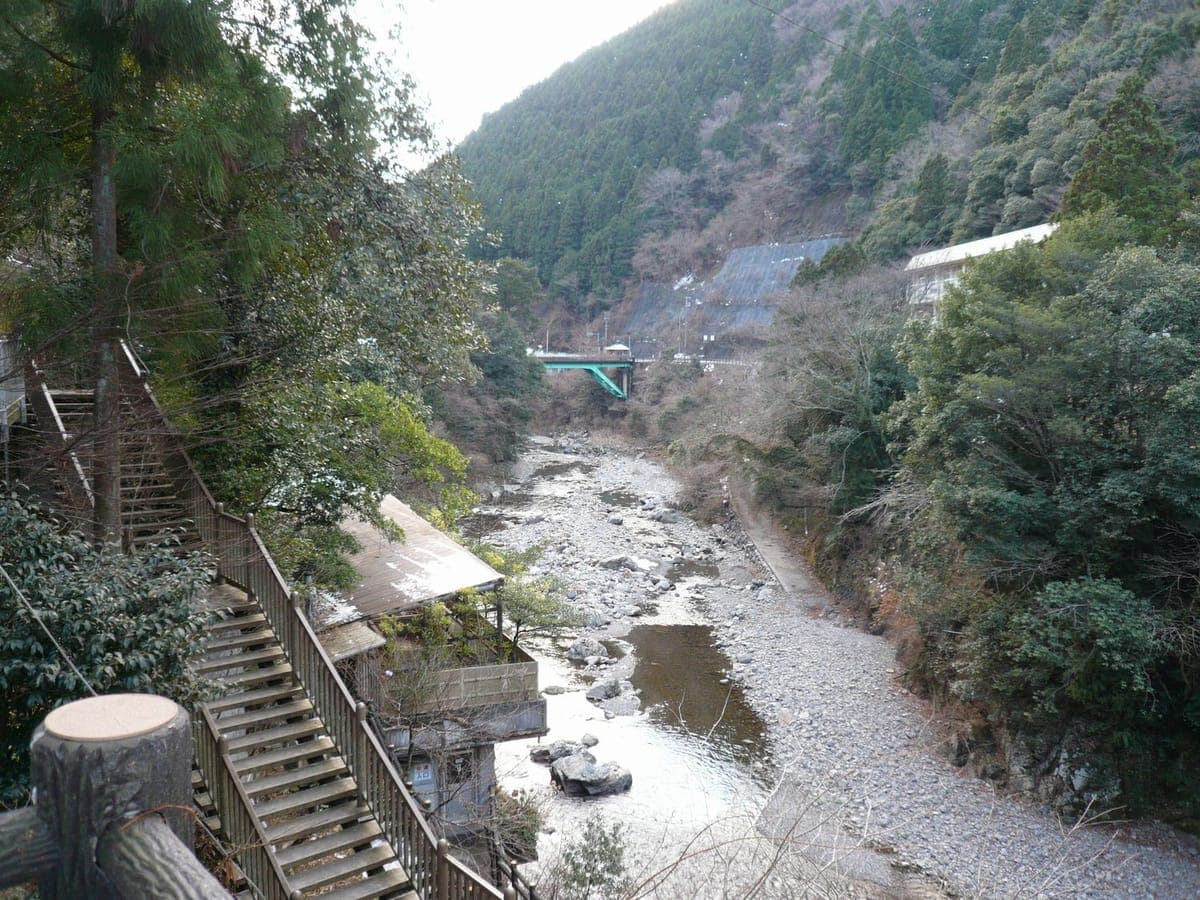
Hidden in the mountains of Wakayama, Ryujin is a tranquil hot spring known for its soothing waters and beautiful natural surroundings, with outdoor baths framed by the lush landscape and traditional ryokan hospitality. Most travelers pass it over for Kyoto and Osaka, which is exactly why this deep-mountain retreat stays so peaceful — a quiet counterpoint to the snowbound north for anyone exploring the Kansai highlands. Getting there: Accessible by bus from Kishi Station, which connects to the Nankai Railway line; by car it is about 2h 47m from Shin-Osaka Station.
When to go
The window is December through March, but each spot peaks at a different moment. For the deepest snow framing the rotenburo at Takaragawa and the largest gatherings of bathing macaques at Jigokudani, aim for January and February. Lake Shikaribetsu's ice-village Kotan and its bath-on-the-ice only exist from late January to late March, so it is strictly a late-winter experience. Hokkaido's Shikotsu-Toya, Tohoku's Naruko and the Nasu highland stay open through the season and simply grow more atmospheric as the snow deepens. Kurama and Ryujin, in the milder Kansai mountains, work as gentler winter soaks any time in the window. Whatever you choose, build in extra travel time: mountain buses run less often in winter, forest trails can be icy, and the last connection back is earlier than you think.
Keep exploring
- Kyushu Onsen Towns Nobody Knows — the warm-south counterpart to this snow-country list.
- Tohoku Winter Festivals — pair a Naruko soak with snow-lantern nights across the northeast.
- Hokkaido Beyond Sapporo — more caldera lakes and quiet corners near Shikotsu-Toya and Shikaribetsu.
- The Great Onsen Ryokan Splurge — where to spend your one big night.
Ready to plan? Build your own hidden-Japan itinerary → — our trip generator turns any of these spots into a day-by-day route.