Multi8 min read
Sake Country: Japan's Brewing Towns, from Nada to the Old Kura Streets
A guide to Japan's sake brewery towns you can actually visit — Kobe's Nada museum quarter, Kyoto's Fushimi district, and the kura streets of Saga, Nagano and Gifu.
Best time: Year-round (brewing season: October–March)
Sake is not made in bars. It is made in kura — tall, white-walled brewhouses that cluster wherever the water was soft enough and the rice good enough, and around which whole towns quietly organised themselves centuries ago. Those towns are still there, still working, and almost none of them are on a standard Japan itinerary.
A note on scope before we start: this guide anchors on Hyogo, where Kobe's Nada district has been producing roughly a quarter of all sake in Japan since the 1300s, and on Kyoto's Fushimi, the other historic giant. We have no verified Niigata stop in our database yet, so we are not going to pretend otherwise — instead the guide reaches into the brewing towns we have walked: an Edo merchant grid in deep-southern Osaka, a chestnut town in Nagano, a miso-and-sake alley in Morioka, two sake streets in Saga, and a harbour town on the Inland Sea. Nine places, all real, all visitable.
01Hyogo
Hakutsuru Sake Brewery Museum
白鶴酒造資料館
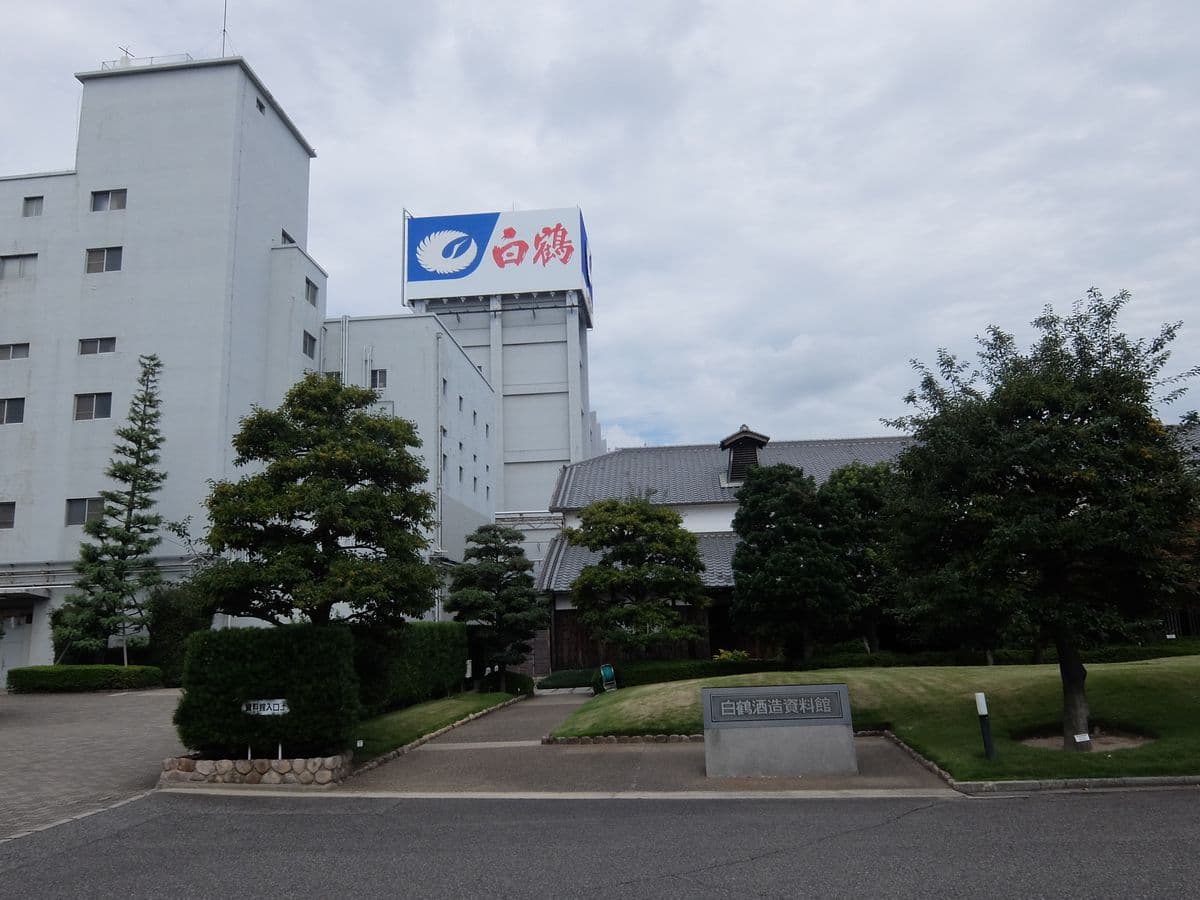
The single best introduction to sake in the country, and it costs nothing. This is a preserved early-Taisho-era kura — the company's main brewhouse until 1969, reopened as a museum in 1982 — sitting inside Kobe's Nada Gogo, the five-village brewing belt that has supplied about a quarter of Japan's sake since the 1300s. Life-size dioramas walk you through the traditional brewing process step by step, from rice-polishing to pressing, and the route ends in a tasting room pouring unpasteurized sake. Kobe's beef and its Kitano foreign-quarter houses take all the tourist traffic; the city's 700-year brewing heritage in Nada and Higashinada is almost unvisited by non-Japanese travellers, despite free entry and brewery clusters you can walk between.
Getting there: A 5-minute walk south from Hanshin Sumiyoshi Station, or about 15 minutes from JR Sumiyoshi Station. Open daily 9:30–16:30. Free admission.
02Kyoto
Kyoto Fushimi Sake District
伏見酒蔵地区
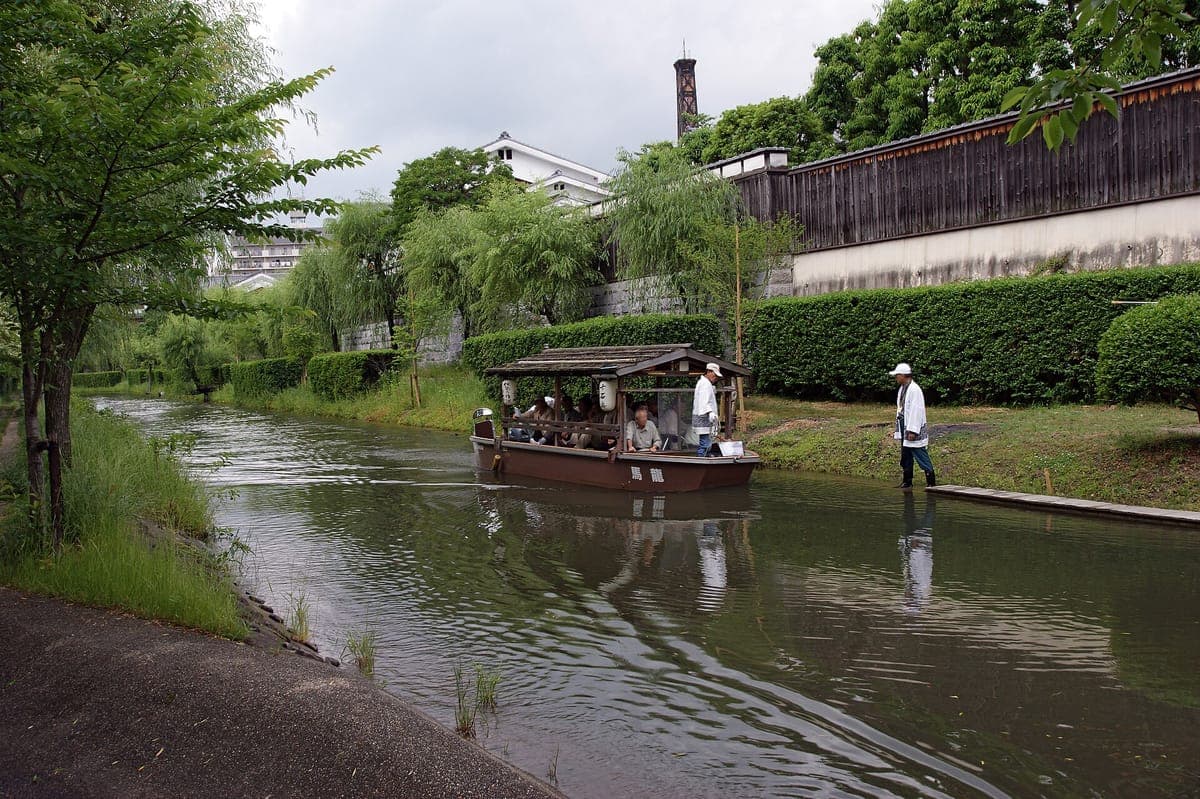
Fushimi is the other half of Japan's sake establishment, and the more atmospheric one to wander. Over ten major breweries operate here, producing some of the country's finest sake, and the district itself is a set piece: canals threading between brewhouse walls, scenic boat rides along the water, and the picturesque moonlit waterwheel that has become the quarter's emblem. Most visitors pour their entire Kyoto budget into temples and shrines and never register that a working brewing district sits a short train ride south of the station.
Getting there: From Kyoto Station it's roughly 16 minutes by car; by train, Fushimi-Momoyama Station is a 12-minute walk away (you can also come via Fushimi-Inari Station and walk about 15 minutes). Open 24 hours to wander. The district is free; the Gekkeikan Okura Sake Museum inside it charges ¥600, which includes a tasting and a souvenir bottle. Best in spring and autumn.
03Osakahidden gem
Tondabayashi Jinaimachi
富田林寺内町
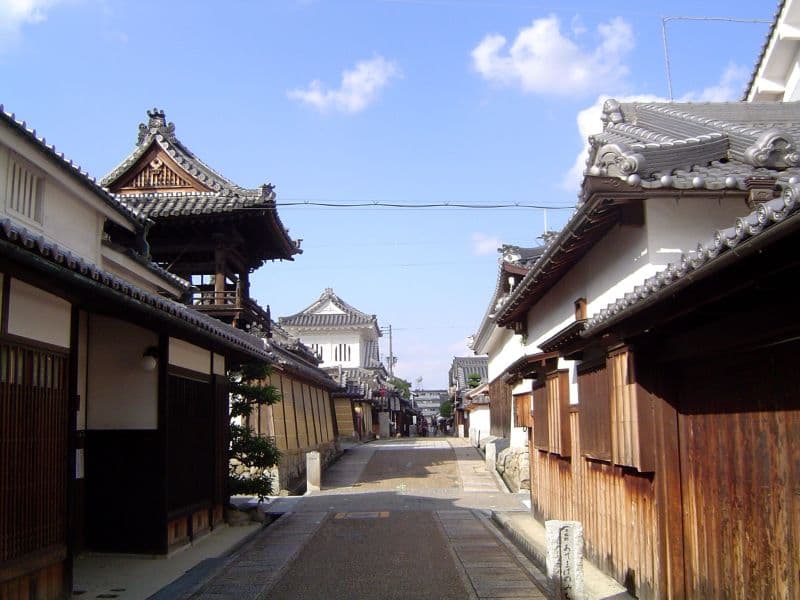
Deep-southern Osaka, essentially unknown to foreign tourists, and one of the most complete Edo streetscapes you can walk in Japan. Jinaimachi is a nationally designated Important Preservation District — a temple-founded merchant town established in 1558, with an intact 6×7 street grid, some 250 traditional lattice-front townhouses, sake breweries, and the Former Sugiyama Residence, a nationally important cultural property. This is a genuinely lived-in open-air Edo grid that rivals far more famous preserved towns, and it comes without the coach parties.
Getting there: About 30 minutes from central Osaka on the Kintetsu Nagano Line to Tondabayashi or Tondabayashi-Nishiguchi Station, then a 10-minute walk from either. Open 10:00–17:00, closed Mondays. Walking the streets is free; the one paid interior, the Former Sugiyama Residence, is ¥400, cash only.
04Naganohidden gem
Obuse Chestnut Town
小布施町
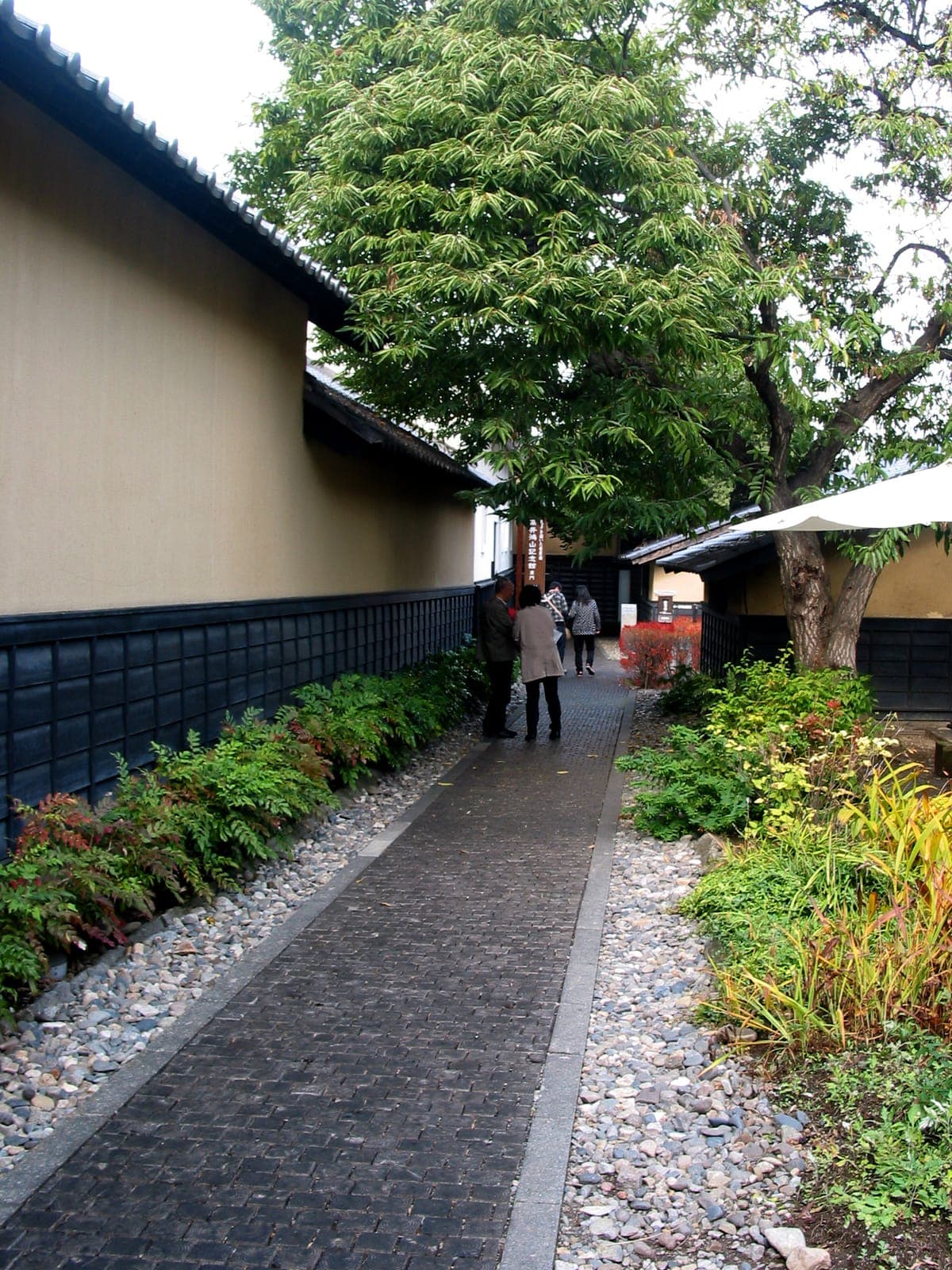
Thirty minutes out of Nagano, Obuse is a small town that punches absurdly above its weight: it is famous for its chestnuts, it holds Hokusai's last gallery of final works, and its streets are dotted with local sake breweries offering tastings and tours. The walk itself is the pleasure — a compact, handsome town you can cover on foot in an afternoon, tasting as you go. Travellers pointed at Nagano's bigger names skip it entirely and miss the art-plus-food-plus-sake combination that makes it one of the most rewarding half-days in Chubu.
Getting there: A 30-minute train ride from Nagano Station on the Nagano Line; Obuse Station is a 1-minute walk from the town centre. Open 9:00–17:00. Free to walk the town; the Hokusai-kan museum and the sake tastings are ticketed separately. Best in autumn, when the chestnuts arrive.
05Gifu
Takayama Old Town
高山の古い町
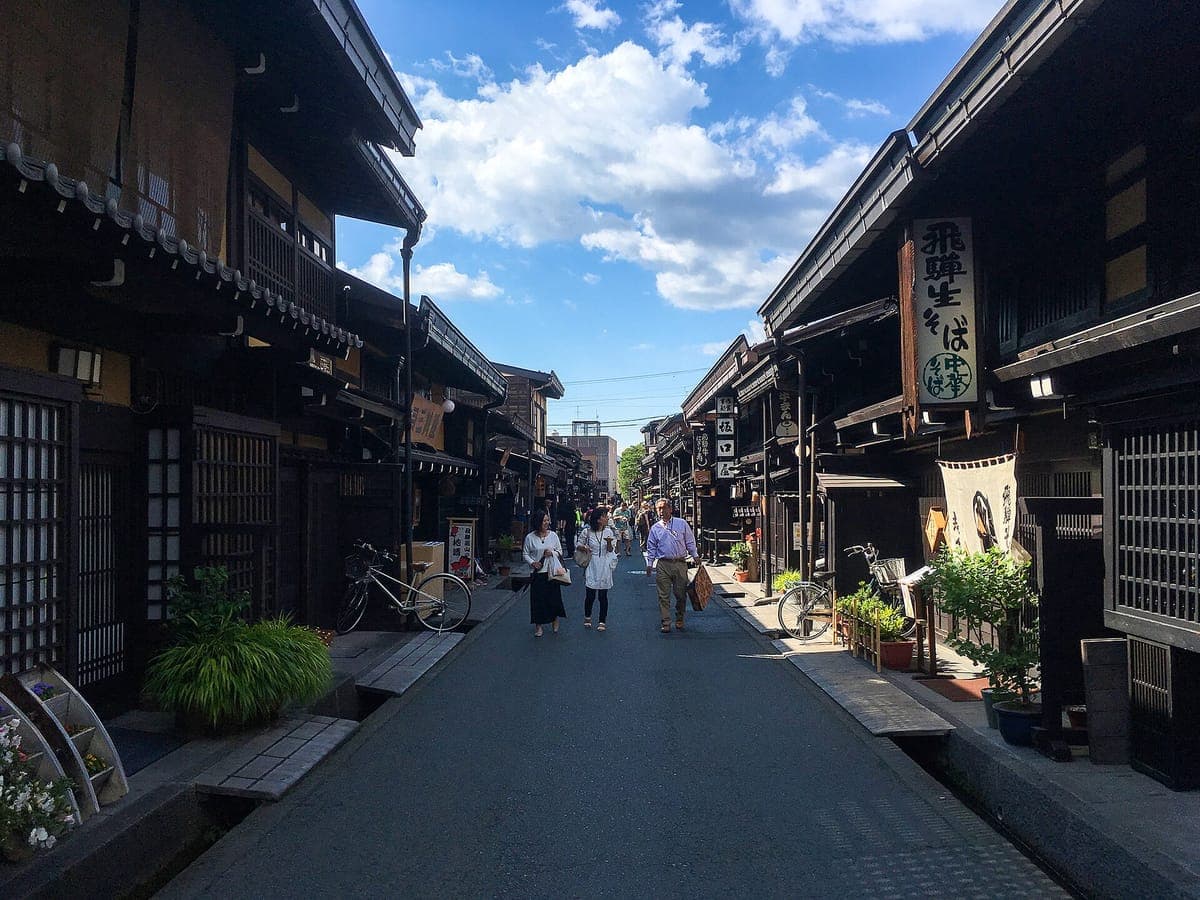
Takayama's old town is a beautifully preserved slab of Edo-period Japan — dark wooden houses, shops and sake breweries lining streets that have barely changed shape in centuries. Strolling it is the whole point: you are inside a working historical district, not looking at one from behind a rope. Everyone in this region is busy racing between Tokyo and Kyoto, which leaves Takayama's lanes far calmer than their beauty deserves.
Getting there: Takayama Station is a 12-minute walk from the old town; the town is easily reached by train from Nagoya (about 2h 20m by car). Streets are open 24 hours; shops keep roughly 9:00–17:00. Free to walk the district; paid attractions like Takayama Jinya sit separately inside it. Best in spring and autumn.
06Iwate
Morioka Konyacho
紺屋町
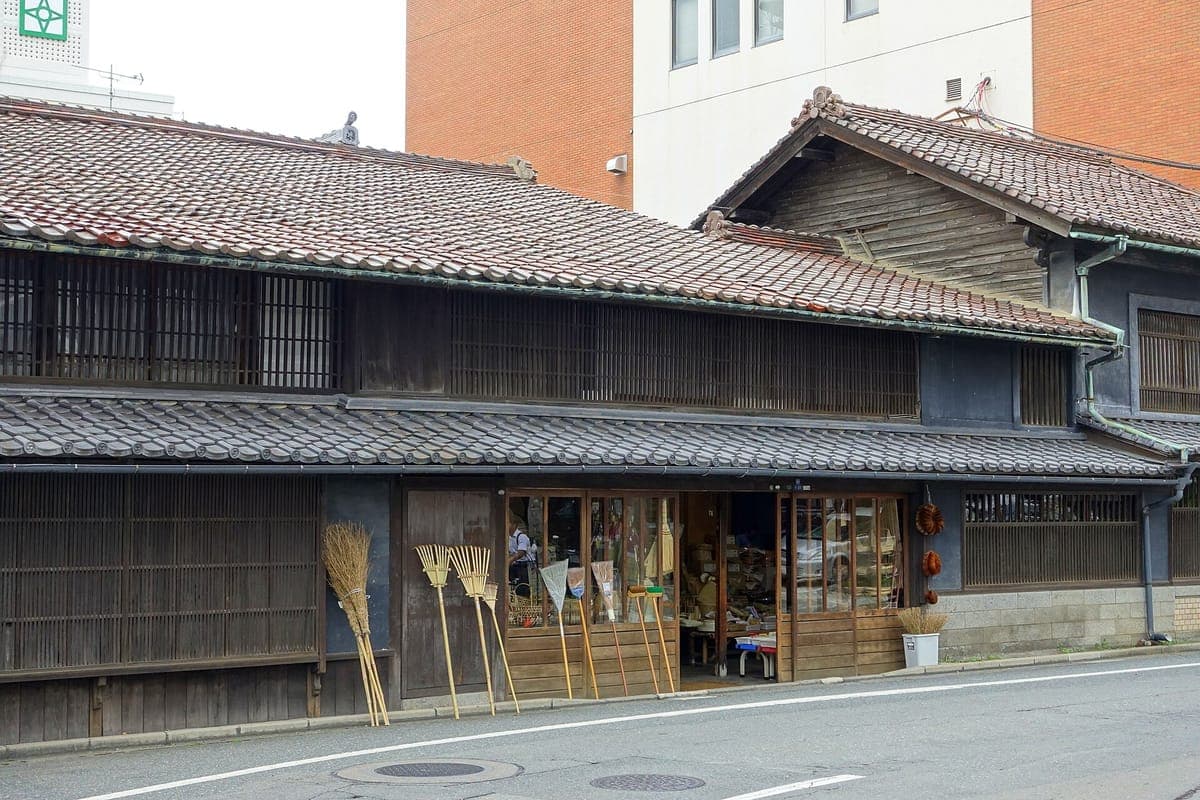
Tohoku's entry, and a properly unglamorous one — Morioka's Konyacho (Koji-machi) is a working alley of craft sake breweries and traditional miso shops, tucked into the remnants of an old castle town. The two crafts belong together: koji mould is the engine of both sake and miso, and this street is where Morioka's fermentation trade concentrated. Nanbu ironware workshops, another centuries-old local craft, round out the walk. Morioka is routinely skipped by travellers heading straight to more famous northern destinations, which is exactly why the alley still feels like a neighbourhood rather than an attraction.
Getting there: Kami-Morioka Station is about a 20-minute walk; the district is also a short walk from Morioka Station itself. Open 24 hours to wander. Best in spring and autumn.
07Sagahidden gem
Hizen Hamashuku Sake District
肥前浜宿酒蔵通り
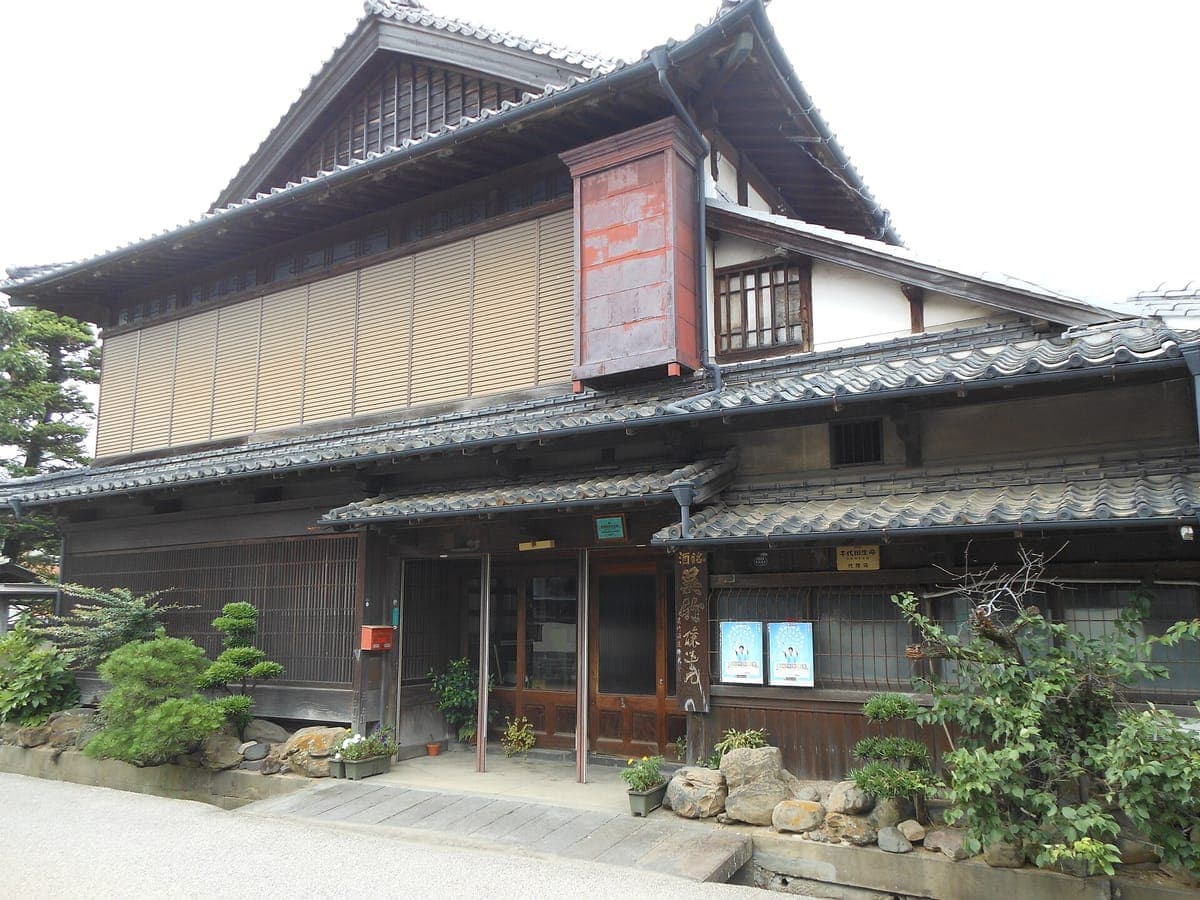
The finest sake street in Kyushu, and the one nobody has heard of. Hizen Hamashuku, in Kashima on the Ariake Sea coast of Saga, is a quiet run of working sake breweries and white-walled buildings — a town that feels aged and textured and still, importantly, functional rather than restored into a museum of itself. It sits well off Saga's main transport flow, so its visitors tend to be sake people who came deliberately.
Getting there: Take the JR Nagasaki Line to Hizen-Hama Station, then a 7-minute walk to Sakagura-dori. About 1h 34m by car from Hakata Station. Open roughly 9:00–17:00. Free to walk the brewery street; individual breweries and tastings are priced separately. Best in winter — brewing season, when the kura are actually at work.
08Sagahidden gem
Kashima Old Shrine Roads
鹿島旧参道
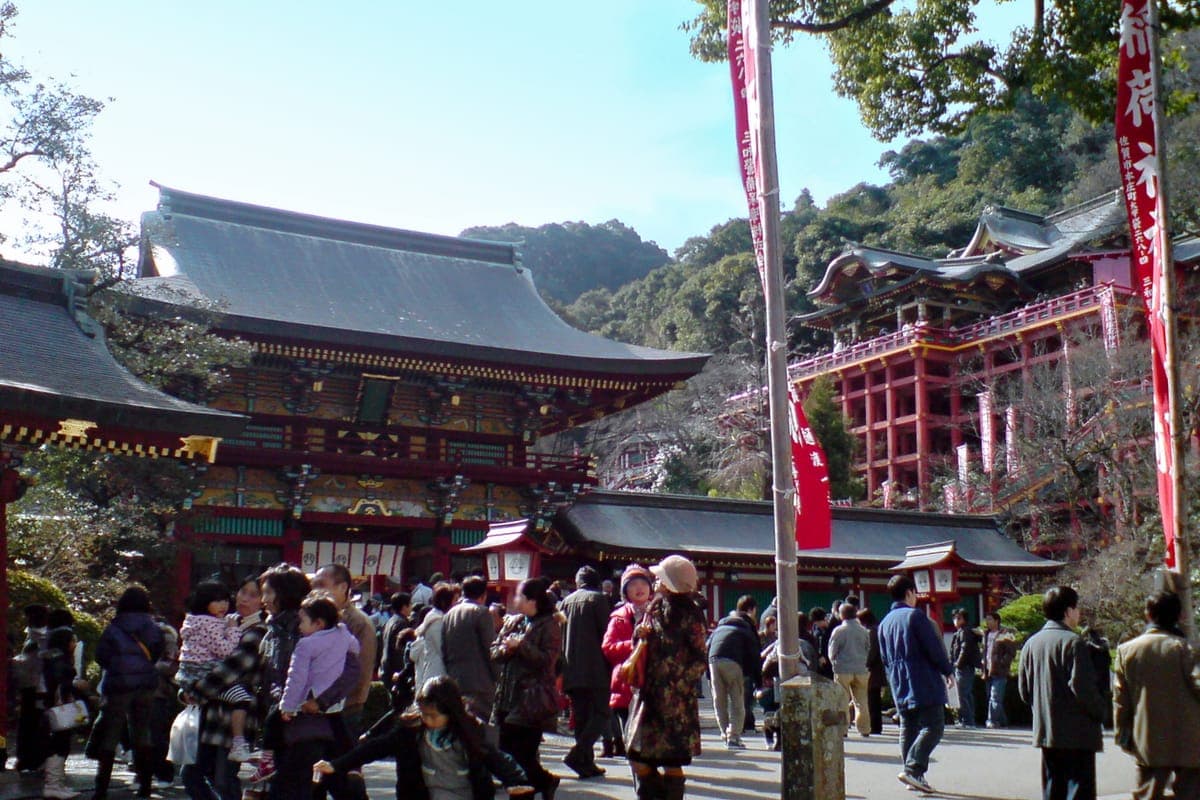
Ten minutes up the line from Hizen Hamashuku, and the natural other half of a Saga sake day. Kashima's old approach roads — the pilgrim routes running toward Yutoku Inari — thread past quiet shops, shrine-side streets and the town's sake corners. It is a slow, unhurried walk, best taken before you carry on to the Ariake coast. The town lives in the shadow of the great shrine and the nearby hot-spring areas, so the streets themselves stay empty.
Getting there: JR Nagasaki Line to Hizen-Kashima Station, then an 18-minute walk; about 1h 30m by car from Hakata. Open 24 hours. Free to walk the approach roads and the Yutoku Inari shrine grounds; the Yutoku museum and garden charge separately. Good year-round.
09Hiroshima
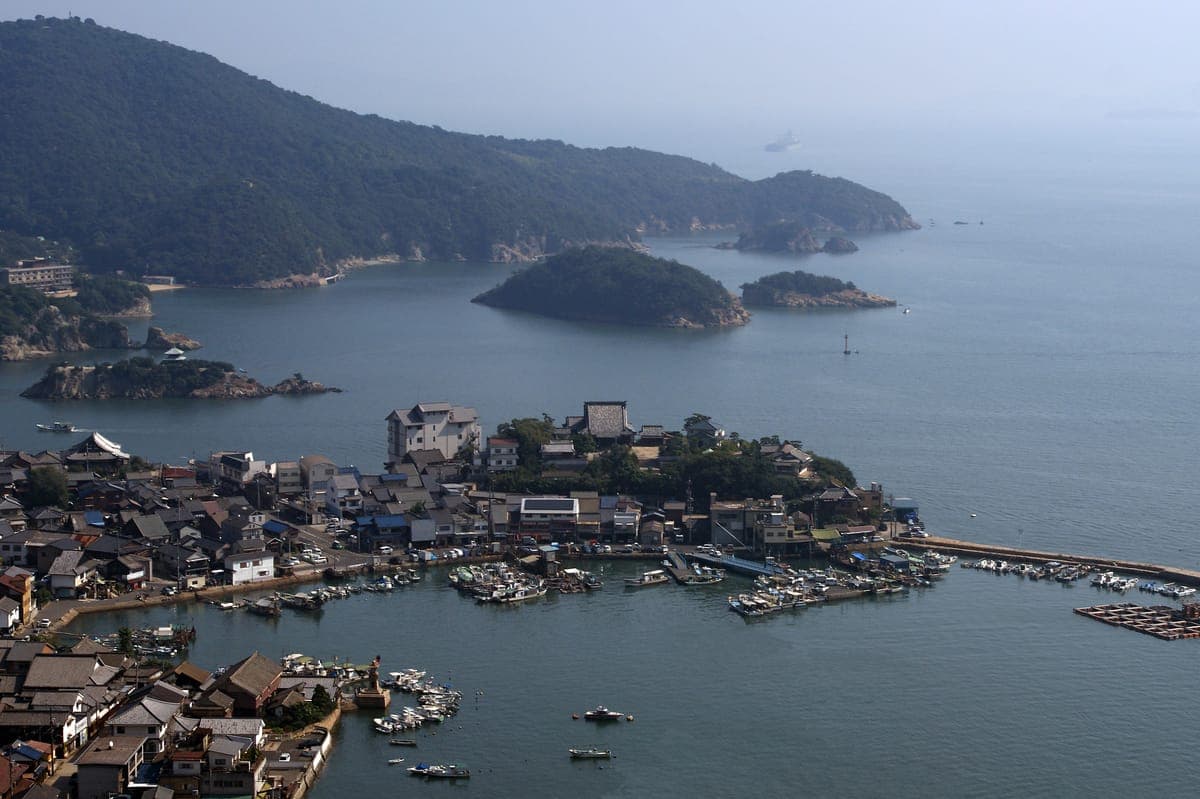
Tomonoura
鞆の浦
An Edo-era harbour town on the Inland Sea where stone lighthouses, sake breweries and the coastline that inspired Miyazaki's Ponyo all converge in the same few hundred metres. Tomonoura's brewing tradition is bound up with its geography: this was the port where ships waited on the tides, and the tides still shift fast enough here that locals navigate by them. Bypassed by the Shinkansen and overshadowed by nearby Onomichi, it stays low-traffic all year — a rare thing for a harbour this photogenic.
Getting there: From Fukuyama Station (on the Sanyo Shinkansen), take the Tomotetsu bus about 30 minutes to Tomonoura. Open 24 hours to explore. Good year-round.
When to go, and how to drink
Sake country runs on two clocks. The towns are walkable year-round, but the brewing season is roughly October to March — cold months, when the kura are actually steaming rice and the sugidama cedar ball above the door is fresh and green. If you want to smell fermentation rather than just look at old walls, go in winter; Hizen Hamashuku in particular is at its best then. Spring and autumn are the comfortable walking seasons for Fushimi, Obuse, Takayama and Morioka.
Practical notes. Start at Hakutsuru if you are new to sake — it is free, it is systematic, and it will make every later brewery legible. Fushimi and Nada are close enough to combine in a single Kansai loop. Tasting rooms often close earlier than you expect (Hakutsuru shuts at 16:30), so front-load your day. Bring cash: brewery shops and small-town interiors like the Sugiyama Residence frequently do not take cards. And if you are driving between the kura towns — Saga and Gifu in particular reward a rental car — the rule is absolute and non-negotiable: Japan has a zero-tolerance drink-driving law. Nominate a driver, or take the train.
Keep exploring
- Hidden Food Towns: Markets, Sake & Local Kitchens — the wider food-town route these brewing quarters belong to.
- Japan's Castle Towns Nobody Visits — more preserved Edo streetscapes in the Jinaimachi and Takayama mould.
- Into the Japan Alps: Nagano, Gifu & Toyama — build Obuse and Takayama into a proper mountain loop.
- Japan by Local Train — the slow-line approach, and the sane way to visit breweries you intend to drink at.
Ready to plan? Build your own hidden-Japan itinerary → — our trip generator turns any of these spots into a day-by-day route.