Kanto6 min read
Kanto Day Trips Without the Crowds
Eight tokyo day trips off the beaten path — quiet Hakone art, hidden Nikko moors, a Gunma river onsen and a Chiba canal town, all reachable in a day.
Best time: Year-round
Most first-timers spend every night in Tokyo and every day inside it too — and the guidebooks reward them with the same handful of famous names. But the wider Kanto region wraps the capital in mountains, wetlands, hot-spring valleys and Edo-era canal towns, nearly all of them an easy train ride from a Tokyo terminal. This is our list of tokyo day trips off the beaten path: places where you can be back in the city by dinner but spend the afternoon almost entirely with locals. We've deliberately skipped the marquee stops that draw the tour buses in favour of the quieter neighbours right beside them — an underground art museum in the Hakone hills, a moor above Nikko, a river-boulder bath in Gunma, a wolf-guarded mountain shrine in Saitama, and a preserved merchant town in Chiba. Pick one, leave early, and trade the crush for some space.
01Kanagawa
Pola Museum of Art
ポーラ美術館
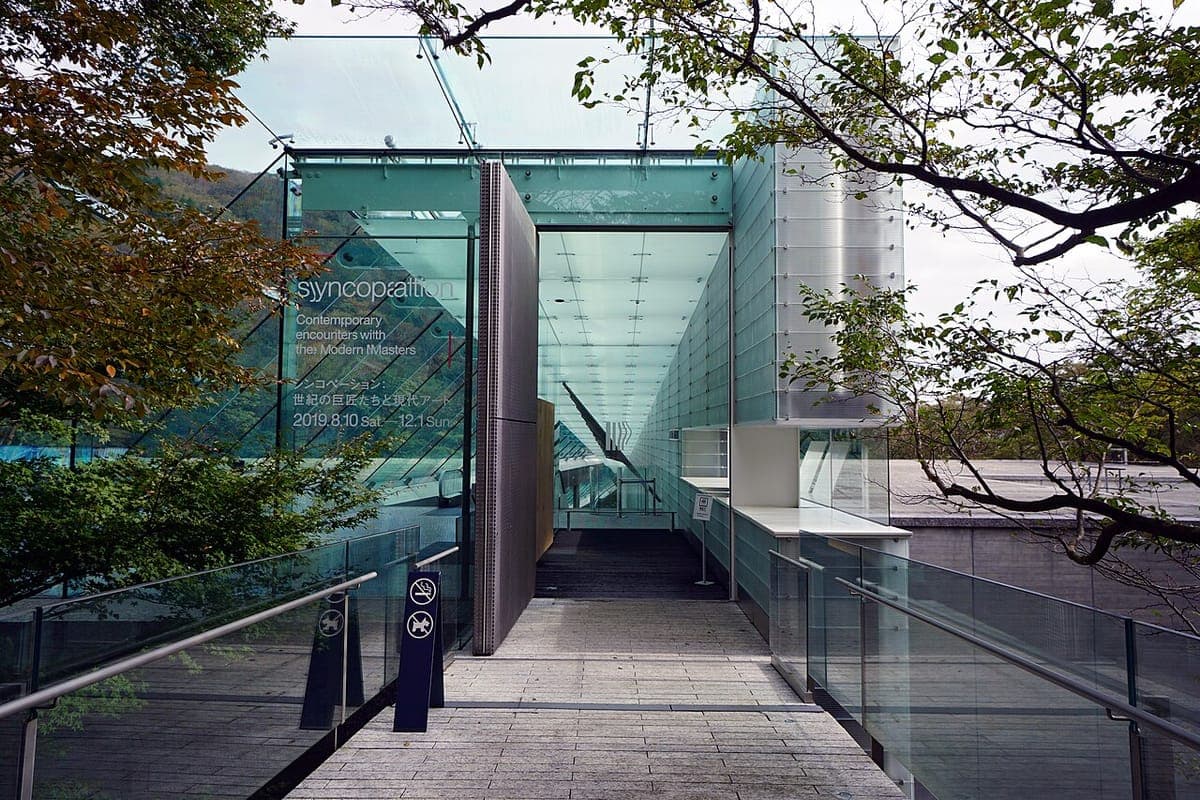
Tucked into the forested slopes above Hakone, the Pola Museum holds one of Japan's finest private collections of Impressionist and modern art, yet most Hakone visitors funnel straight to the ropeway and the pirate boats instead. The building itself is the draw as much as the paintings: it's built largely underground so it barely disturbs the treeline, and a free forest walking trail loops through the grounds. It's a calm, low-key alternative to the region's busier attractions.
Getting there: Take the Hakone Tozan Railway to Gora Station, then a short bus to the museum. Admission ¥2,200. Open year-round.
02Kanagawa
Hakone Gora Park
箱根強羅公園
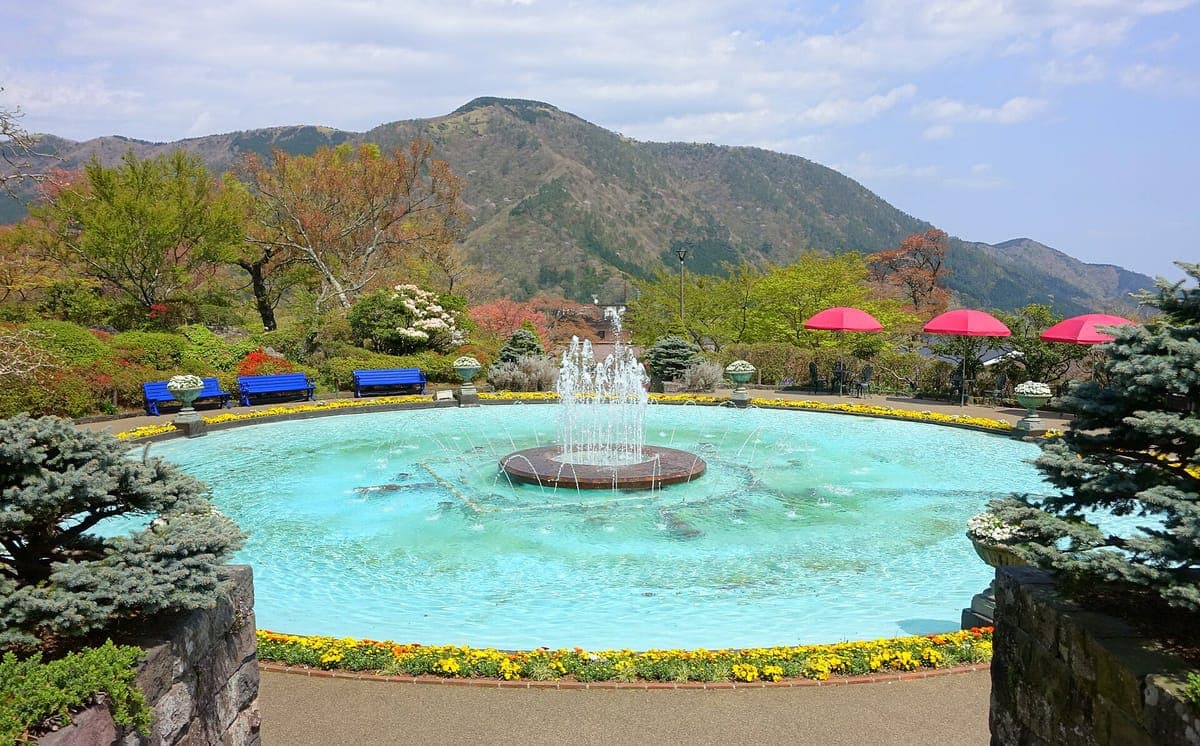
A short walk from Gora Station, this hillside garden is a Western-style landscaped park with seasonal flowers, greenhouses, a central fountain and a traditional tea house serving matcha and sweets. Because the crowds tend to rush past on their way to the more famous hot springs, it's an unhurried spot to stroll and take in mountain views. It pairs naturally with the Pola Museum for a single quiet day in the Gora area.
Getting there: Ride the Hakone Tozan Railway to Gora Station, a nine-minute walk from the park. Admission ¥650 (free with a Hakone Free Pass). Best in spring and autumn.
Mooka Railway Steam Train
Out in the rice-country of eastern Tochigi, the Mooka Railway runs a restored line past small wooden stations and open fields — the classic slow-travel rail experience rather than a headline destination. On weekends the line normally fields the SL Mooka, a preserved C12 steam locomotive whose plume of white steam against cherry blossoms or rapeseed is a photographer's favourite. Note that the SL steam service is suspended from April 2026 through March 2027; the regular Mooka Railway trains still run the line daily in the meantime.
Getting there: Ride the Mooka Railway from Shimodate or Mooka and hop off at the smaller stations; Mooka Station is a 19-minute walk from the town centre. The SL seat-reservation surcharge is ¥500 on top of the regular fare. Best in spring.
03Tochigi
Senjogahara Moor
戦場ヶ原
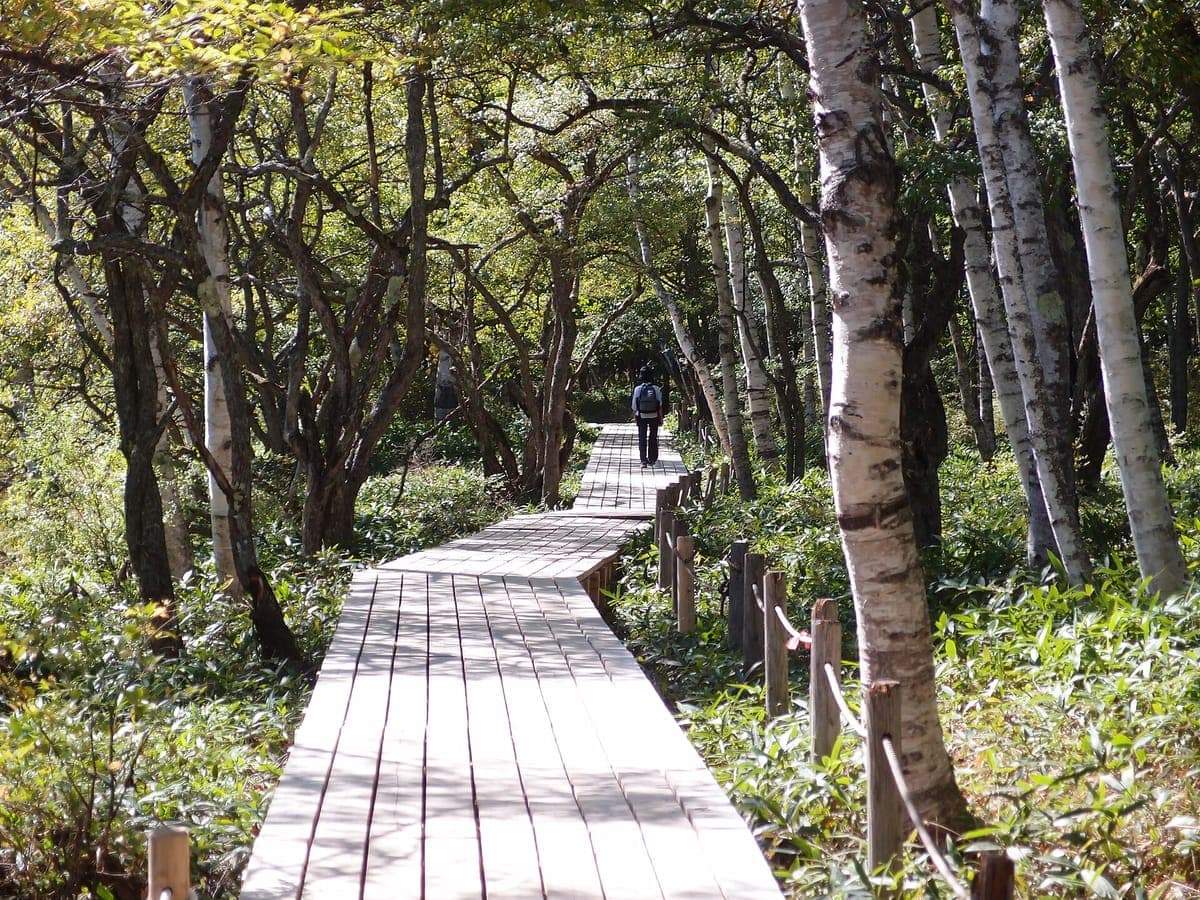
High in Nikko National Park, Senjogahara is a broad wetland moor laced with raised boardwalk trails, offering wide-open views of the surrounding peaks that feel a world away from Nikko's crowded shrine precinct below. It's one of the region's great easy walks — flat, well-marked and beautiful when the grasses turn gold in autumn or green up in spring — and it stays surprisingly quiet given how many visitors are just a bus ride away at the temples.
Getting there: From Nikko Station, take a bus toward Yumoto and follow the designated trails from the trailhead. Free to walk. Best in spring and autumn.
04Gunma
Takaragawa Rotemburo
宝川温泉露天風呂
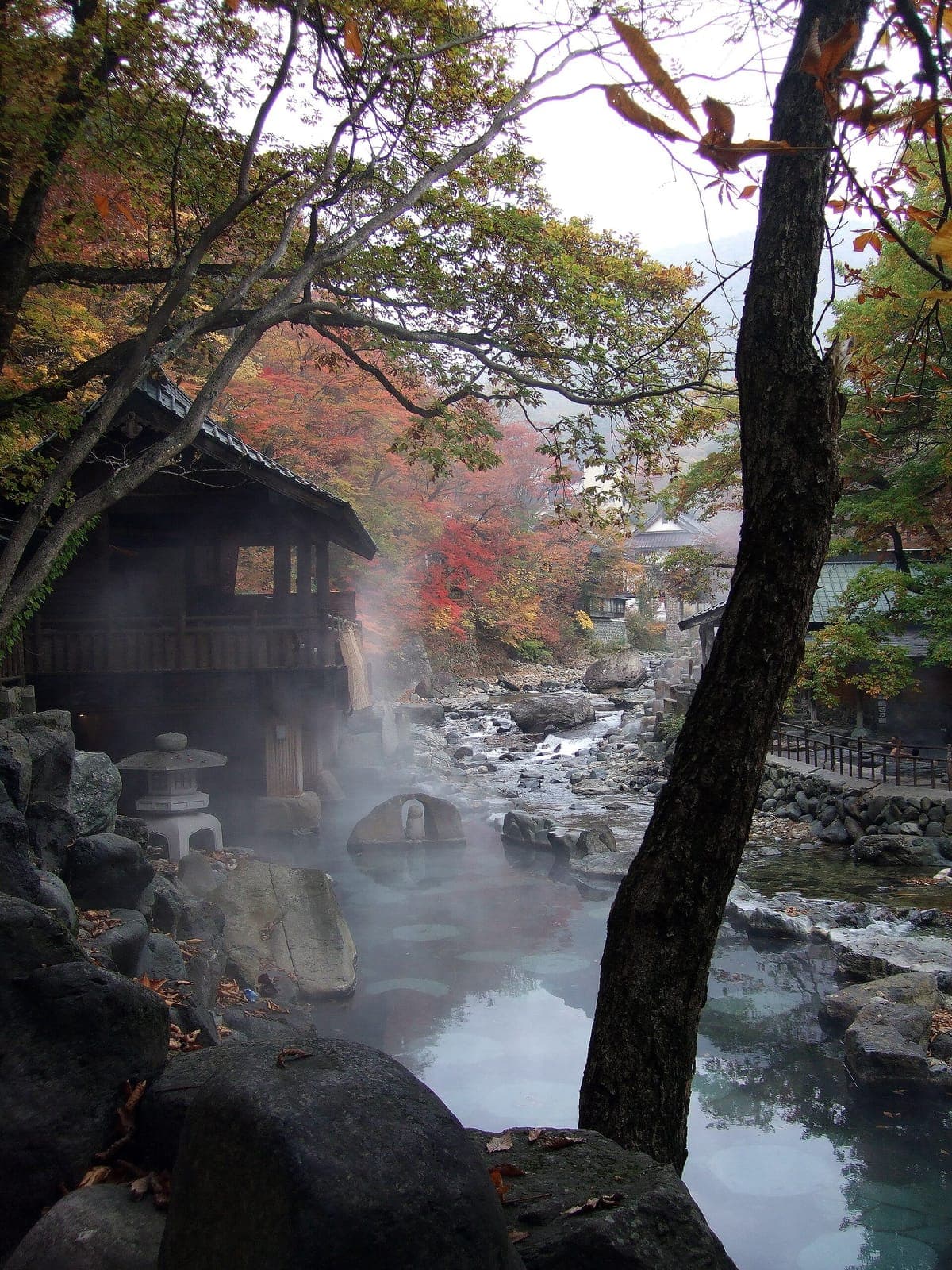
Deep in the Gunma mountains, Takaragawa is famed for its sprawling open-air baths strung along a river, set among natural boulders and thick greenery. Soaking here — with the sound of the current running past — is one of the most atmospheric onsen experiences in Kanto, and its remote setting keeps it well off the mainstream circuit. It's the furthest pick on this list but rewards the extra travel, especially when the autumn foliage frames the water.
Getting there: Take a train from Tokyo to Jomo-Kogen Station, then a bus to Takaragawa Onsen. Best in autumn for the foliage.
05Saitama
Mitsumine Shrine
三峯神社
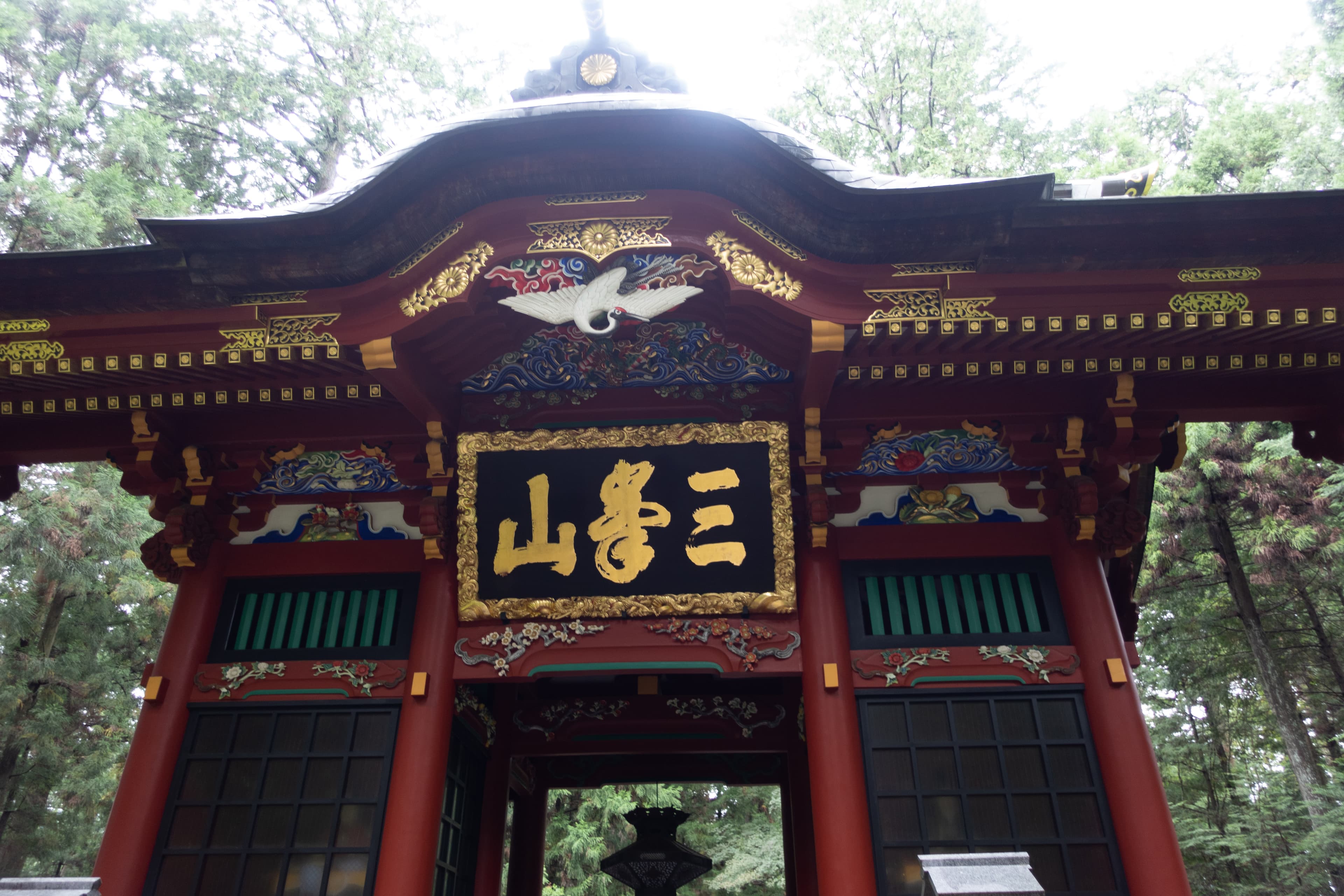
Perched above 1,000 metres in the deep Okuchichibu mountains of Saitama, Mitsumine is an ancient shrine tied to the legend of Yamato Takeru and counted among the "Three Shrines of Chichibu." What makes it singular is its guardians: instead of the usual komainu lions, wolf-deity statues stand watch, reflecting a local wolf-worship tradition, and you approach through the vividly painted Zuishinmon Gate. It's a genuine mountain "power spot" for Japanese pilgrims, and its remoteness keeps casual sightseers away.
Getting there: From Seibu-Chichibu Station, take the bus (around 75 minutes) to the Mitsumine-jinja stop; there's no direct rail access.
06Saitama
Hodosan Shrine
寳登山神社
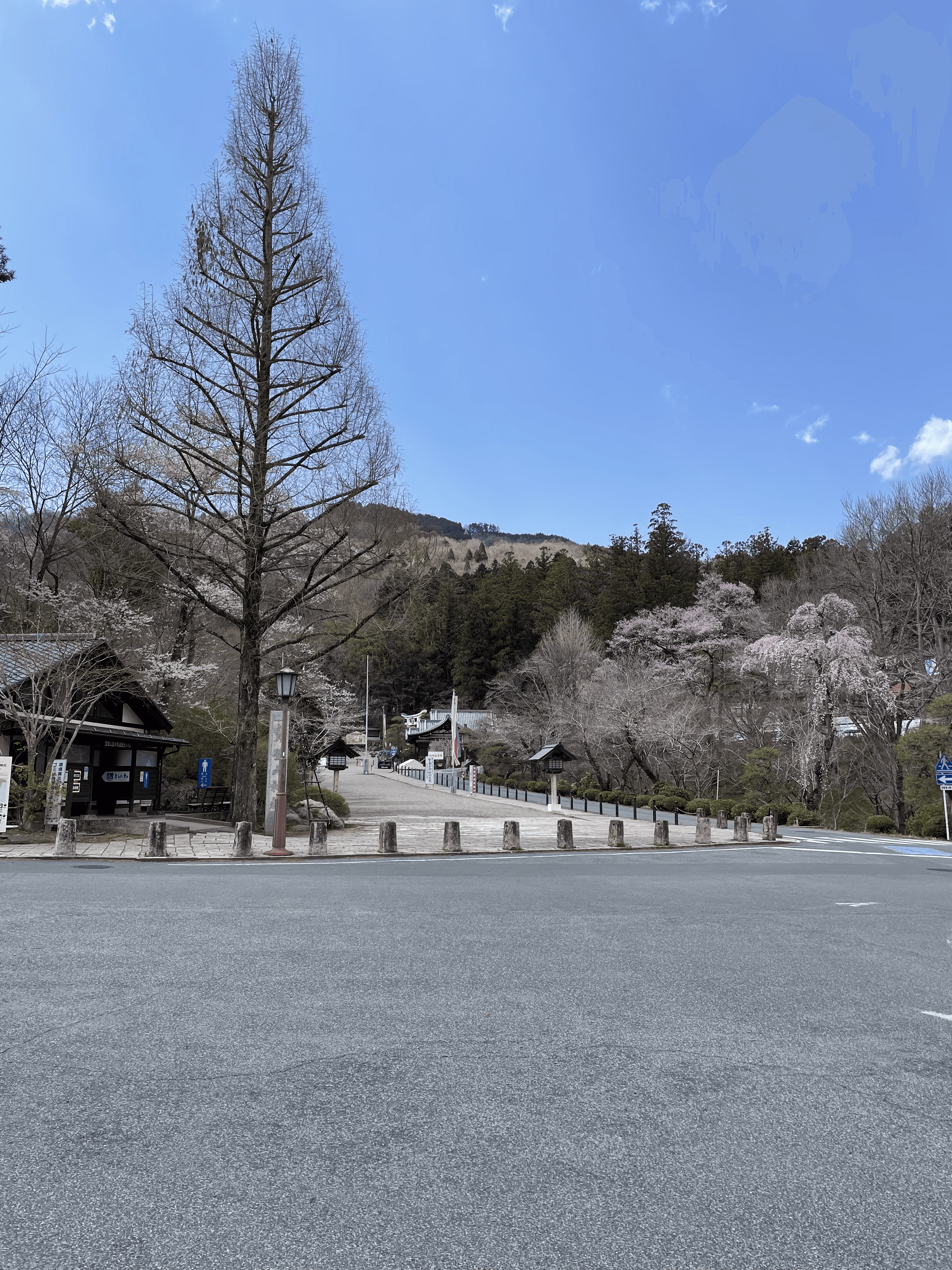
At the foot of Mt. Hodo in Nagatoro, this shrine is said to have been founded around 110 AD as a place to pray for protection from disaster, with current buildings in the ornate early-Meiji Gongen-zukuri style. A short ropeway climbs to a summit complex with a wintersweet garden, a plum garden and panoramic views over the Chichibu mountains. Most Nagatoro day-trippers come for the river gorge and skip this shrine-and-ropeway combination just a few minutes' walk from the station.
Getting there: The ropeway base station is an eight-minute walk from Nagatoro Station. Shrine entry is free; the Mt. Hodo ropeway is a separate ¥1,200 adult round-trip.
07Chiba
Sawara Historic Townscape (Little Edo)
小江戸佐原の町並み
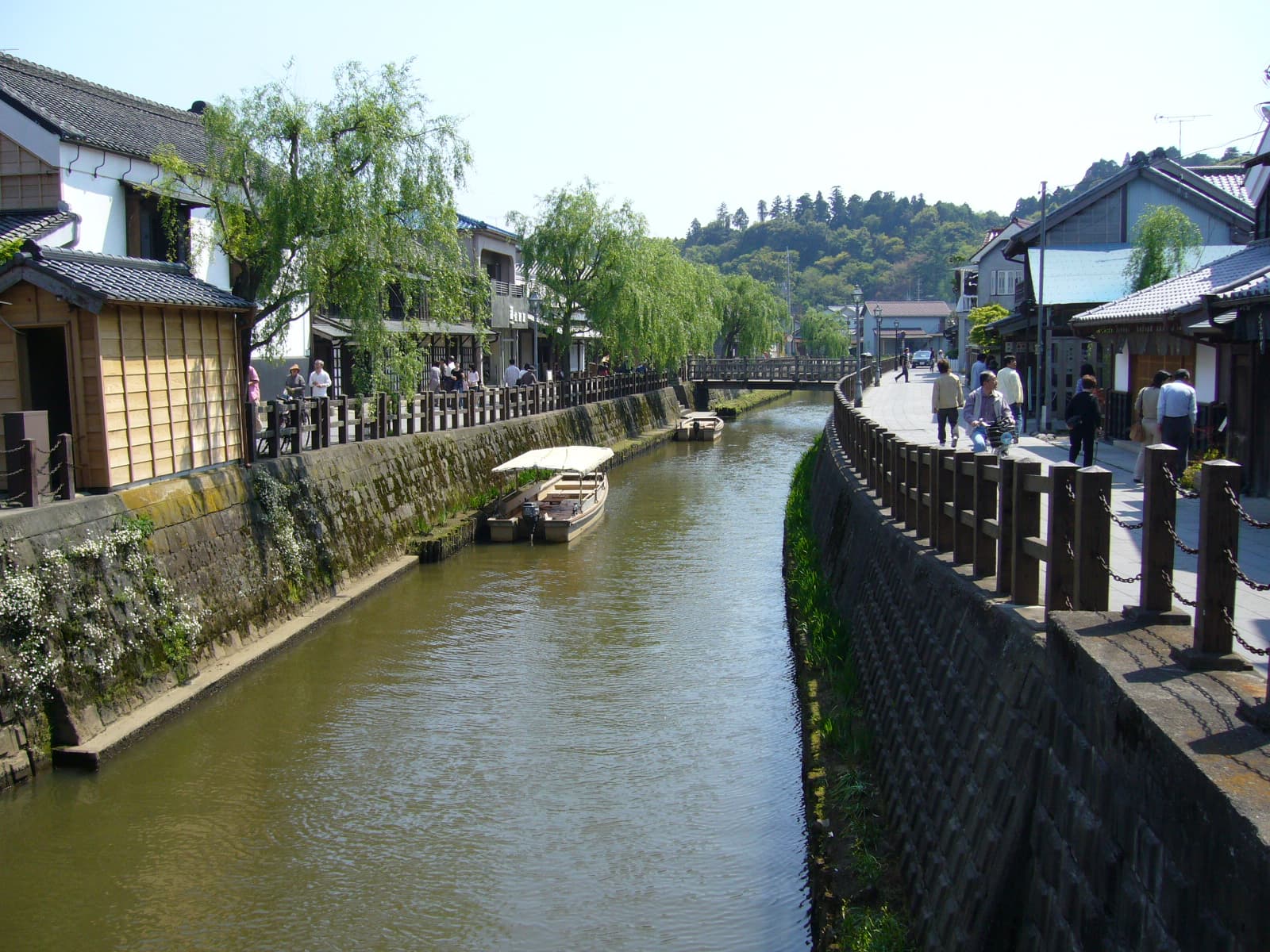
In Katori City, Chiba, Sawara preserves a rare stretch of Edo- and Meiji-era wooden storehouse shophouses lining the Ono River — the first district in the Kanto region to earn Japan's Important Preservation District status, and part of a Japan Heritage designation. It's also the home town of Ino Tadataka, the cartographer who first mapped Japan on foot, whose former residence sits along the canal. Overshadowed by day-trippers rushing to Narita or the theme parks, it's one of the best-preserved canal townscapes near Tokyo and stays refreshingly uncrowded.
Getting there: Take the JR Narita Line to Sawara Station; the Ono River townscape is about a 10-minute walk. The streets and the Ino Tadataka former residence are free (the adjacent memorial museum charges separately).
When to go
Nearly everything here works year-round, but the season sharpens the reward. Spring brings blossoms to the Mooka rail line and colour to Hakone Gora Park and Hodosan's gardens; autumn is the standout for the Nikko moor and for Takaragawa's riverside baths under turning leaves. The Hakone stops and Sawara are comfortable in any season and make good rainy-day choices, since the Pola Museum and Sawara's shophouses keep you largely under cover. For the mountain shrines and the Nikko trails, aim for a clear, dry day and start early — most of these run on limited local bus timetables, so check the last return bus before you set out, and give the further-flung picks (Mitsumine, Takaragawa) a full day rather than an afternoon.
Keep exploring
- Tokyo Hidden Neighborhoods → — quiet corners of the city itself, for the days you stay in.
- Hidden Winter Onsen → — more remote hot-spring escapes like Takaragawa.
- Japan by Local Train → — slow rail journeys in the spirit of the Mooka line.
- Hidden Tokyo Day Hikes: Mountains Within Reach — Trade the train seat for a trail — real mountains within a Tokyo day trip.
- The Izu Peninsula Loop — go further than a day trip — a full coast-and-onsen circuit.
Ready to plan? Build your own hidden-Japan itinerary → — our trip generator turns any of these spots into a day-by-day route.